Washing dishes is a daily activity we do almost without thinking. However, it is an excellent opportunity to implement sustainable practices that help the environment. With small changes to your routine, you can save water, reduce waste, and use products that are more eco-friendly. Here we share 10 eco-friendly ways to make dishwashing greener and more conscious.
1. Use Biodegradable and Environmentally Friendly Soaps

Choosing biodegradable soaps is a simple yet important step to care for the planet. These products do not contain harmful chemicals like phosphates or sulfates that end up polluting rivers and oceans. Additionally, their formula is ideal for reducing environmental impact. Look for brands that indicate on their packaging that they are biodegradable and free of toxins.
2. Fill the Sink Instead of Letting the Water Run
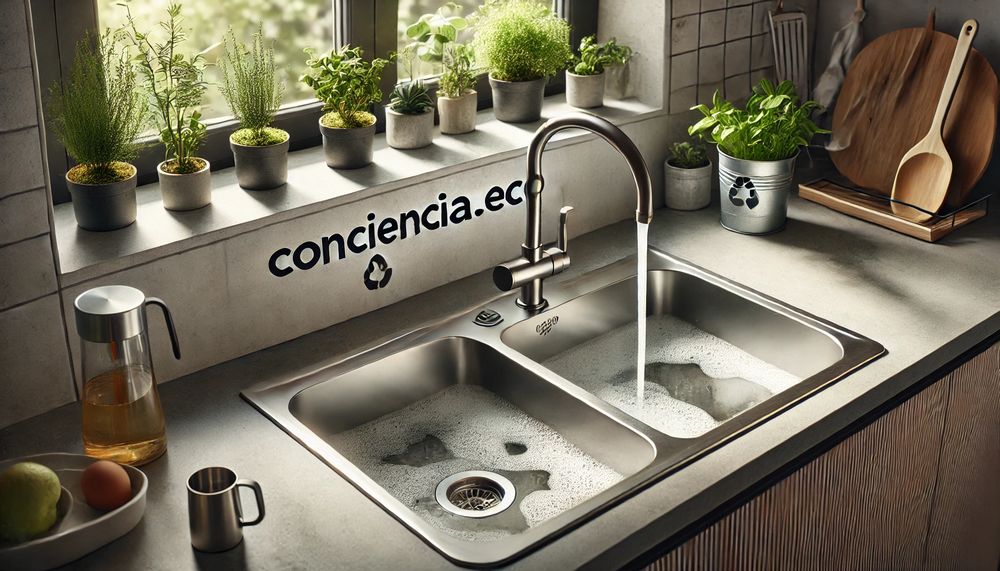
Leaving the water running wastes valuable liters. A more efficient way is to fill the sink with soapy water for washing and another section with clean water for rinsing. This method not only saves water, but also makes cleaning easier. Every drop counts to protect the planet’s natural resources.
3. Clean Food Residue Before Washing Dishes
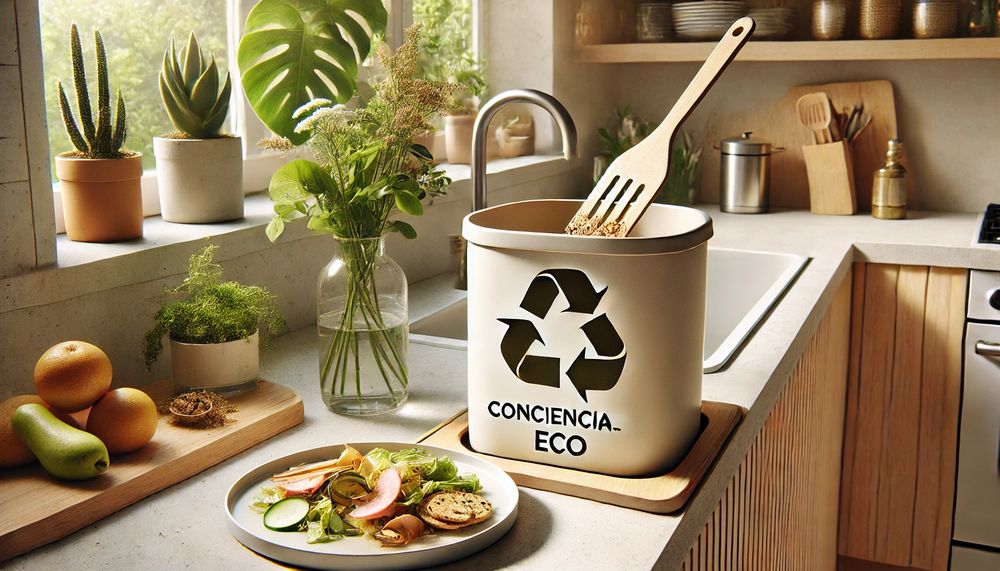
Remove food scraps with a spatula or napkin before washing the dishes. This helps reduce detergent use and prevents residue buildup in the drain. Also, if you separate these scraps, you can add them to compost to create natural fertilizer and reduce the waste sent to the landfill.
4. Use Eco-Friendly and Compostable Sponges
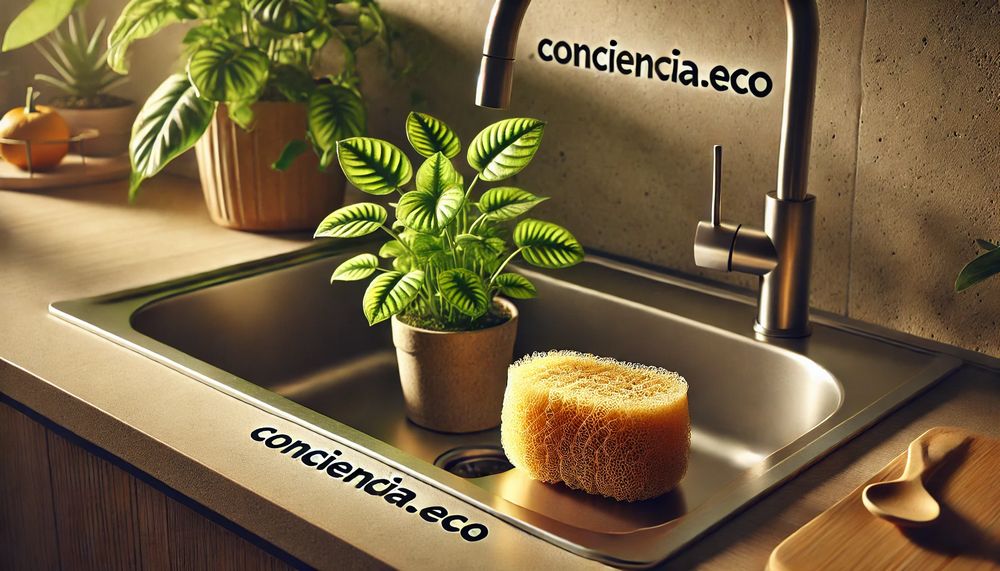
Traditional sponges are made from synthetic materials that do not degrade easily. Switch to eco-friendly options made from natural fibers such as loofah or coconut, which are compostable and far more sustainable. At the end of their useful life, these sponges can decompose without generating plastic waste.
5. Use Cold Water for the Final Rinse
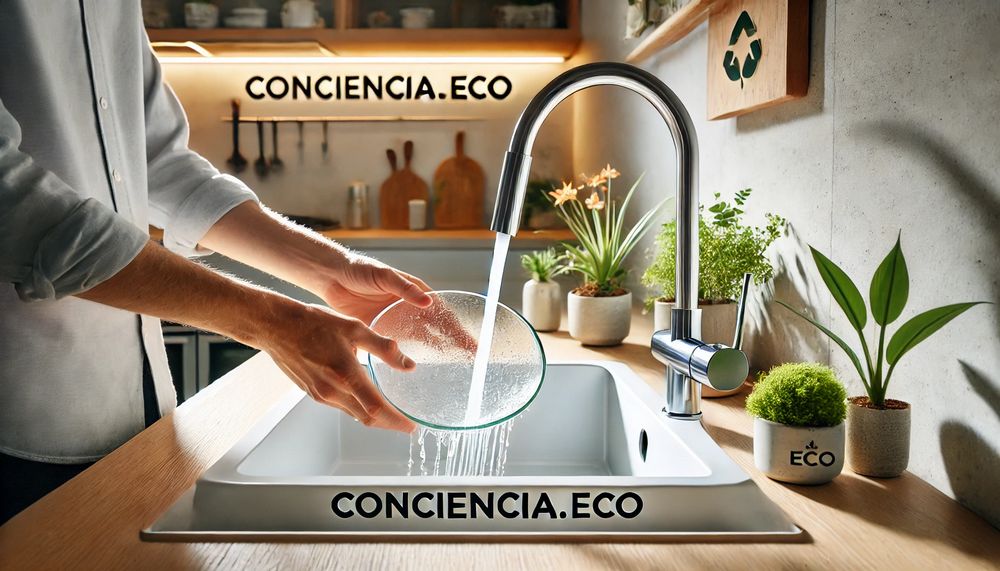
Hot water is not always necessary, especially for rinsing. Using cold water reduces energy consumption and makes dishwashing more eco-friendly. Additionally, cold water is often enough to leave utensils completely clean, which also helps lower your energy bill.
6. Reuse Dishwashing Water for Irrigation
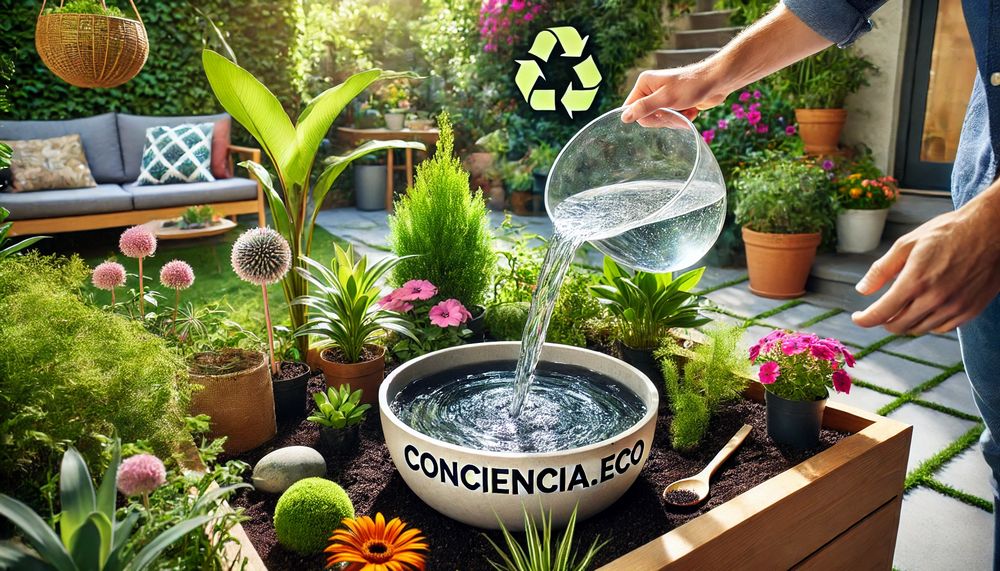
If you use biodegradable detergents, you can reuse the water from washing dishes to irrigate non-edible plants in your garden or yard. This practice helps optimize water use and reduces waste. Make sure the water does not contain fats or chemicals that could harm the plants.
7. Wash Only Full Dishes to Optimize Consumption
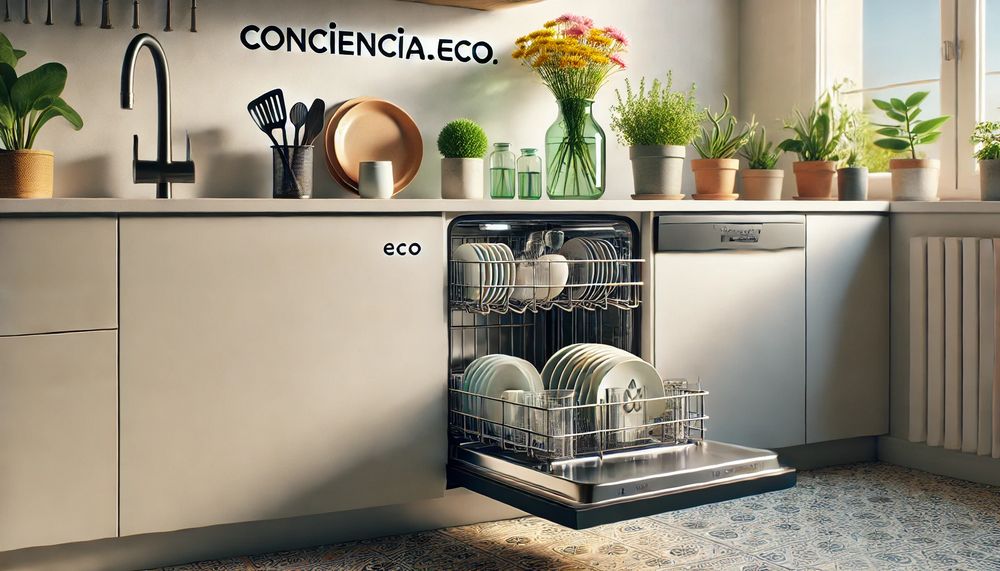
Instead of washing utensils one by one, wait until you have enough to make better use of water and detergent. This is especially useful if you use a dishwasher, as it optimizes water and energy consumption. Doing so will help you significantly reduce your environmental footprint.
8. Air Dry Dishes Instead of Using Paper Towels
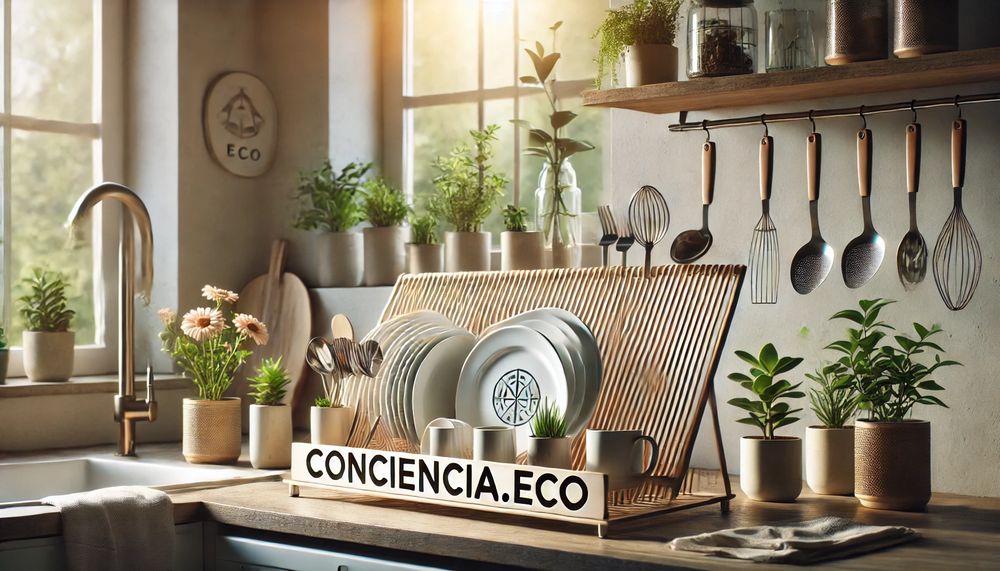
Avoid using paper towels to dry dishes, as they create unnecessary waste. Opt to let them air dry on a dish rack or use reusable cloths. This simple habit reduces disposable product consumption and is more economical and sustainable.
9. Reduce Dishwashing Detergent Use or Use Low-Consumption Cycles

If you have a dishwasher, use it only when it’s full and select eco-friendly or low-energy cycles. These programs use less water and energy, making them more sustainable. Additionally, proper maintenance of the appliance will ensure better performance and lower environmental impact.
10. Collect and Recycle Detergent Containers
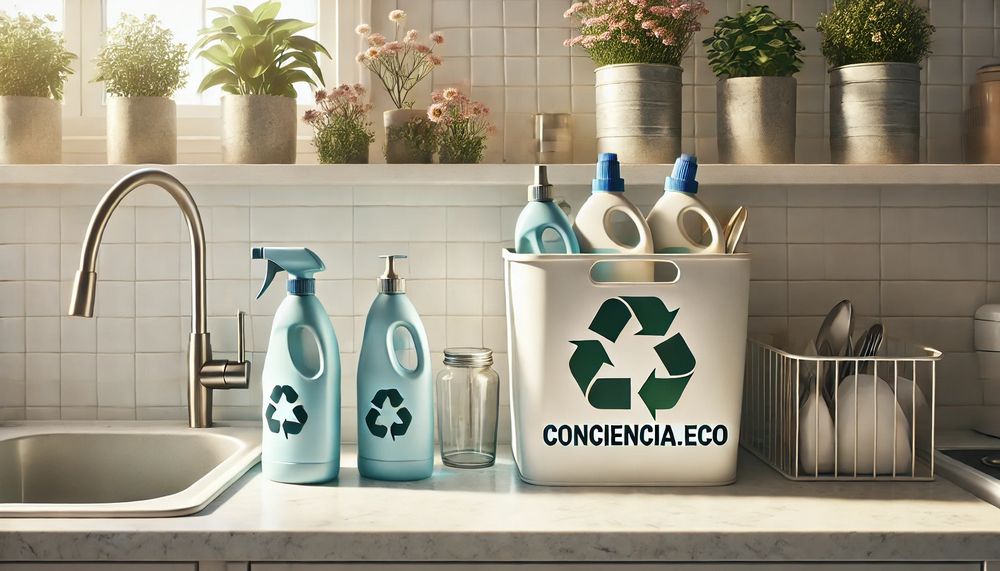
Detergent containers are usually made of plastic and can be recycled. Rinse them well before disposing of them and make sure to separate them into the correct recycling category. By doing so, you help reduce plastic pollution and promote the circular economy.
What to Do with Used Sponges and Brushes?
When sponges and brushes reach the end of their usable life, it is important to manage them properly to reduce their environmental impact. Here are some options for you:
- Recycle them through specialized programs: Look for local initiatives that accept materials like hard plastic or synthetic fibers.
- Make the most of sponges to clean other areas: Use them to clean tools, floors, or even pots before discarding them.
- Choose to compost them: If you used sponges made from natural materials like loofah or coconut, you can add them to your compost once they are worn out.
- Reuse them in crafts: Turn old sponges into brushes or accessories for creative projects.
Environmental Impact of Water and Detergent Use in Dishwashing
| Fact | Impact |
|---|---|
| Water use per minute with the faucet running | Between 10 and 12 liters are wasted per minute. |
| Average consumption of an efficient dishwasher | Uses only 9 liters per full cycle when fully loaded. |
| Degradation time of a synthetic sponge | More than 52,000 years in a landfill. |
| Savings by using concentrated and biodegradable detergents | Reduces water pollution by up to 80%. |
| Amount of plastic generated by detergent containers worldwide | More than 8 million tons per year. |
The Environmental Impact of Conventional Detergents
Conventional detergents often contain chemicals that end up polluting water and harming ecosystems. Additionally, their production requires large amounts of natural resources. Choosing biodegradable alternatives not only helps protect the environment but also promotes a healthier home.
Adopt these eco-friendly habits to reduce your environmental impact. Every small change counts and can make a big difference for the planet. Start today!