

Did you know you can enjoy a delicious barbecue while reducing your environmental impact? Adopting sustainable practices at your gatherings can make a big difference for the planet. Here we share 10 simple and effective ideas to make your next barbecue more eco-friendly. Make caring for the planet part of the fun!
1. Use Sustainable Charcoal for Grilling

Choose charcoal produced responsibly, such as one with FSC certification. This type of charcoal comes from wood sourced from sustainably managed forests or agricultural residues. You can also opt for eco-friendly briquettes, which produce fewer emissions. By doing so, you will be contributing to reducing deforestation and pollutant emissions.
2. Choose Reusable Utensils Instead of Disposable Ones
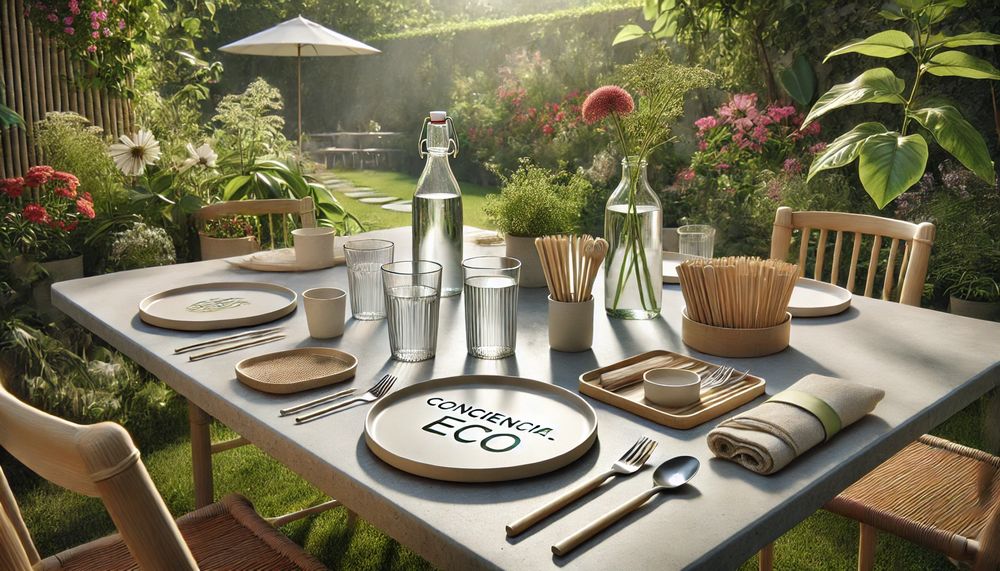
Avoid single-use plates, cups, and cutlery, and choose reusable utensils instead. Use ceramic plates, glass cups, and metal cutlery. If you need something portable, look for bamboo or stainless steel alternatives. With this simple action, you can significantly reduce plastic waste that pollutes the oceans and soil.
3. Buy Local and Seasonal Ingredients
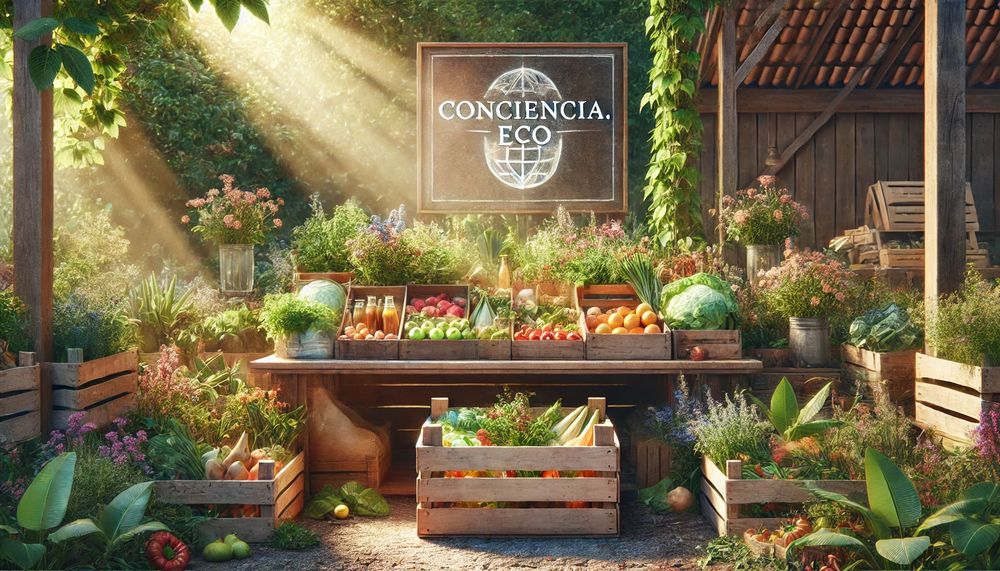
Choose locally produced, seasonal foods. This not only ensures freshness and flavor but also reduces emissions associated with long-distance transportation. By supporting local producers, you contribute to your community’s economic development and promote more sustainable agricultural practices.
4. Reduce Meat Consumption and Add More Vegetarian Options

Incorporate vegetarian options into your barbecue, such as vegetable skewers, stuffed mushrooms, or plant-based burgers. Meat production has a significant environmental impact, so including plant-based alternatives helps reduce your carbon footprint without sacrificing flavor.
5. Reuse Glass or Plastic Bottles

Instead of discarding bottles, give them a new life. Glass bottles can be turned into vases or decorations, while plastic bottles are useful for crafts or storage. Reusing bottles is an excellent way to reduce waste and encourage creativity at home.
6. Take Advantage of Natural Light and Avoid Using Electricity

Organize your barbecue during the day to make the most of natural sunlight. If the gathering extends into the evening, use solar lighting or reusable candles. These options not only create a warm and inviting atmosphere but also help reduce electricity consumption.
7. Separate Waste for Recycling at the End
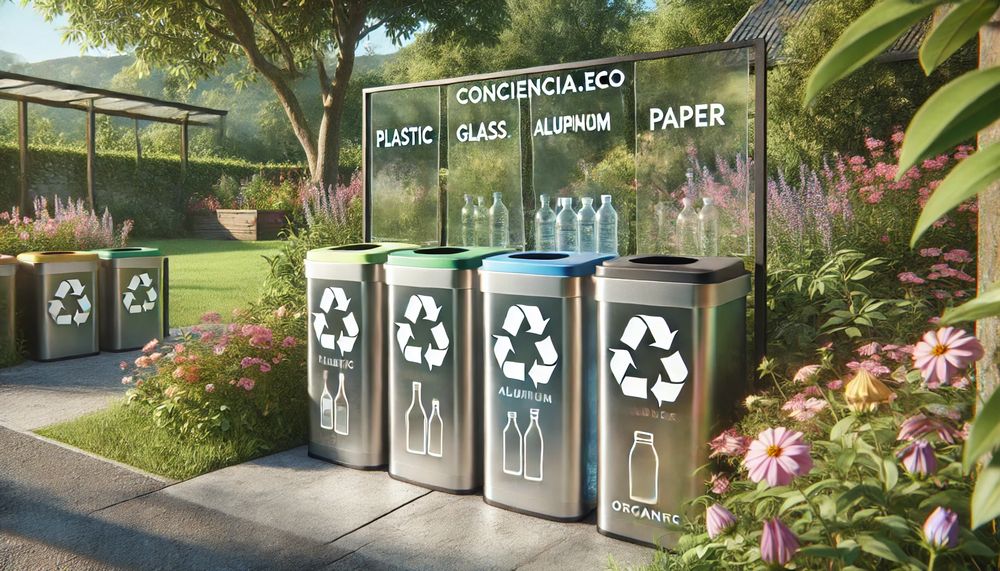
Place labeled containers to separate recyclable waste such as plastics, glass, aluminum, and paper. You can also set up a space for organic waste. This practice is not only easy to implement but also promotes sustainable habits among your friends.
8. Reduce Food Waste by Planning Portions
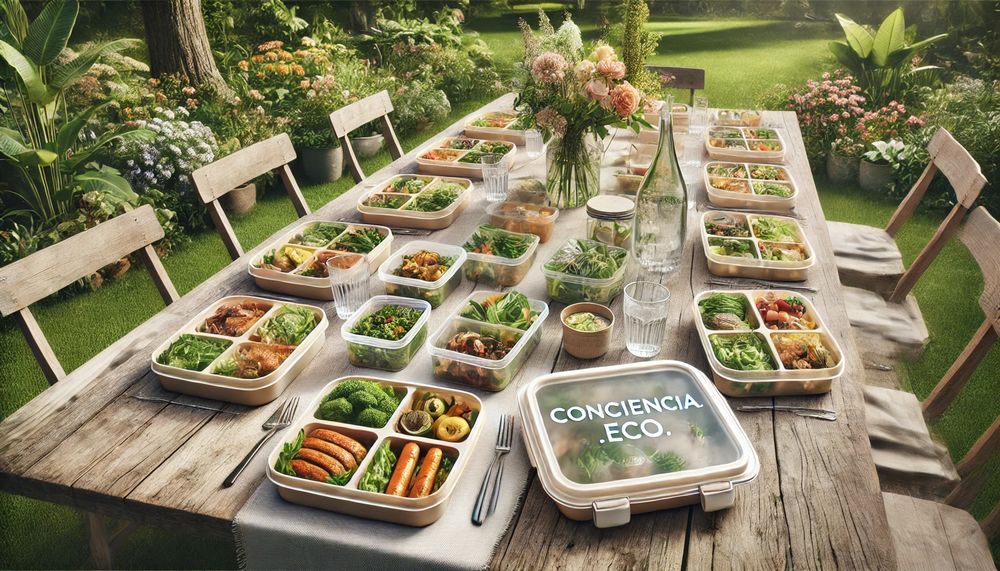
Plan ahead the amount of food based on the number of guests. This prevents having too much leftover food, and if there is any, encourage your friends to take some home. Additionally, you can reuse the food in other recipes, which helps reduce waste and save money.
9. Use Cloth Napkins Instead of Paper
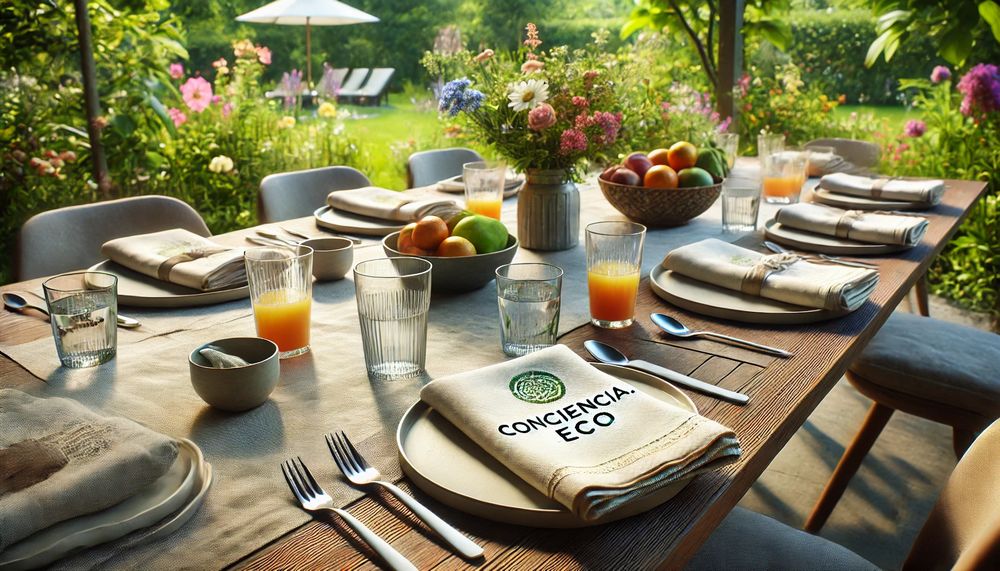
Cloth napkins are an elegant and sustainable alternative to paper ones. They generate no waste and can be easily washed after each gathering for reuse. By using them, you will be significantly reducing the environmental impact associated with paper waste.
10. Create Compost with Organic Waste
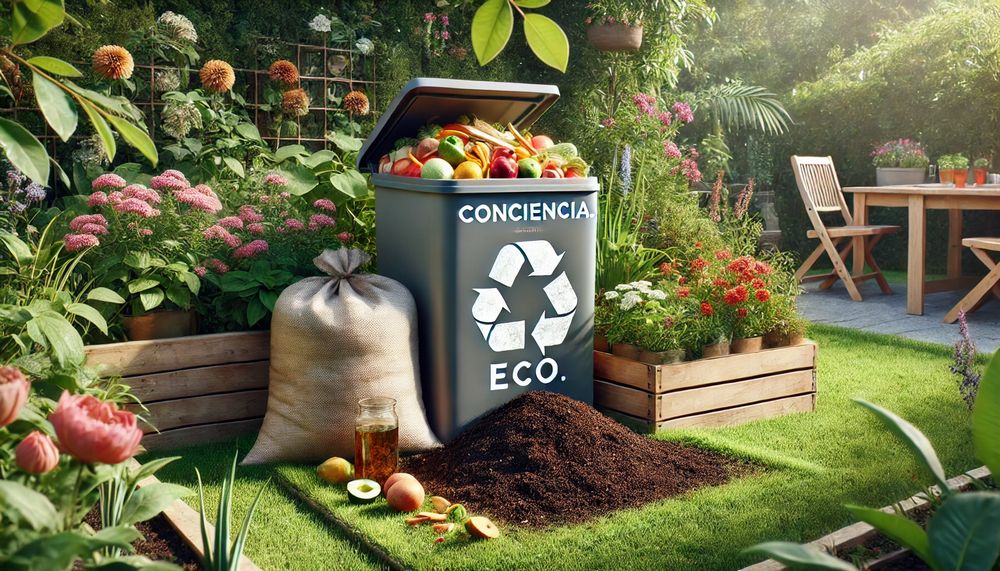
Collect food scraps such as fruit peels, vegetables, and other organic waste to make compost. This natural fertilizer is ideal for enriching the soil in your garden or pots. By composting, you transform waste into a valuable resource and reduce the amount of trash that ends up in landfills.
What Materials from a Barbecue Can Be Recycled?
Recycling after a barbecue is a simple way to care for the environment. Many of the materials used can have a second life if you separate them correctly. Here are some examples:
- Glass bottles: You can take them to a recycling center or reuse them as vases or decorations.
- Plastic containers: Wash them and separate them for collection in recycling programs.
- Aluminum cans: They are highly recyclable and can be melted down to create new products.
- Cardboard boxes: If you used cardboard packaging, be sure to flatten them and place them in a paper and cardboard recycling bin.
- Organic waste: Food scraps such as fruit or vegetable peels can be turned into compost.
Environmental Impact of Barbecues and How to Reduce It
| Appearance | Environmental Impact | Sustainable Alternative |
|---|---|---|
| Use of conventional charcoal | Generates high CO2 emissions and contributes to deforestation. | Choose sustainable charcoal or certified eco-friendly briquettes. |
| Use of disposable utensils | Contributes to the increase of plastic waste in landfills and oceans. | Use reusable or biodegradable plates, cups, and cutlery. |
| Excessive meat consumption | Livestock farming is responsible for about 14.5% of global greenhouse gas emissions. | Incorporate more plant-based options and reduce the amount of meat on your menu. |
| Waste Management | Lack of recycling causes soil and water pollution. | Sort waste and promote recycling and composting. |
| Night Lighting | The use of electric energy increases the carbon footprint. | Make the most of sunlight and use solar lights or reusable candles. |
What Are the Characteristics and Benefits of Charcoal
Sustainable charcoal is an excellent option for those seeking a lower environmental impact when grilling. Here are some of its features and benefits:
- Responsible production: It comes from wood sourced from sustainably managed forests or from agricultural residues.
- Low emissions: Produces less smoke and pollutants compared to traditional charcoal.
- Certifications: Products certified by the FSC ensure sustainable practices in their production.
- Eco-friendly alternatives: Eco-friendly briquettes are compact, last longer, and emit fewer particles when burned.
- Reduced environmental impact: Helps decrease deforestation and protects natural ecosystems.
Environmental Benefits of Reducing Meat Consumption
Reducing meat consumption at your barbecues is not only beneficial for your health but also for the planet. Meat production is one of the main sources of greenhouse gas emissions and requires large amounts of water and resources. Here we share some of the environmental benefits:
- Reduction of CO2 emissions: By consuming less meat, you help decrease the emissions of greenhouse gases from livestock farming.
- Water conservation: Meat production consumes thousands of liters of water; switching to plant-based options significantly reduces this demand.
- Habitat preservation: Less demand for meat means less need for grazing land, which protects forests and ecosystems.
- Reduction of pollution: Lower levels of livestock waste reduce soil and water pollution.
- Promotion of biodiversity: Reducing intensive livestock farming allows natural habitats and the species that live there to recover.
Conclusion
Having a sustainable barbecue doesn’t mean giving up flavor or fun, but embracing small actions that can make a big difference for the environment. From using sustainable charcoal to reducing meat consumption, every step counts to protect the planet.
We invite you to incorporate these practices into your next gathering. Become an example of sustainability among your friends and show that enjoying the present can also be a way to protect the future!


