Studying or doing homework doesn’t have to conflict with caring for the environment. With small changes in your habits, you can contribute your part to protecting the planet. Here we share 10 sustainable and practical ways you can apply while focusing on your studies. Make a difference right from your workspace!
1. Reduce Paper Use and Opt for Digital
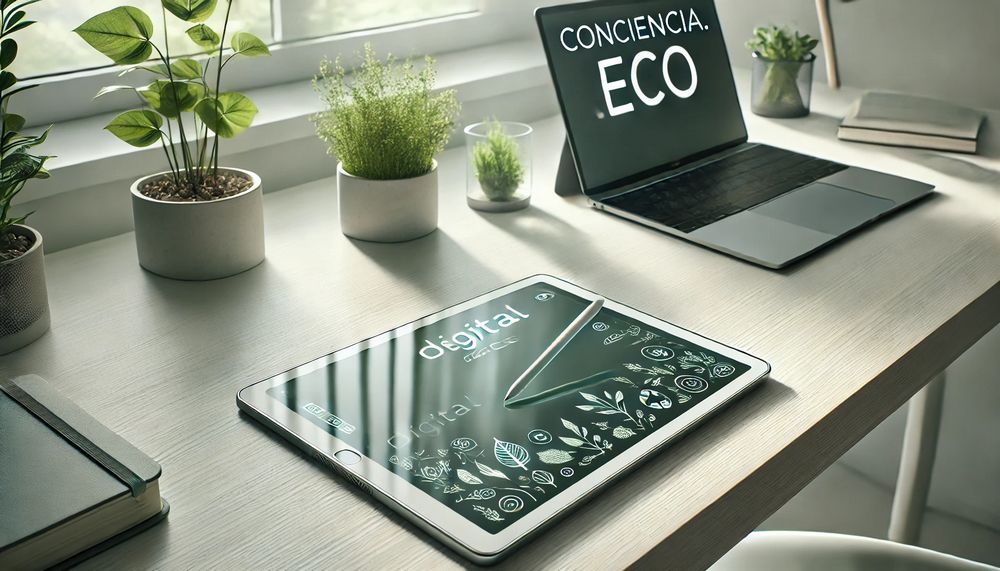
A simple way to care for the planet is to minimize paper use. Choose to take notes on electronic devices such as tablets or laptops, and use apps to organize your tasks. Besides saving resources, you will avoid accumulating unnecessary piles of paper, making your space cleaner and more functional.
2. Use LED Lamps to Save Energy
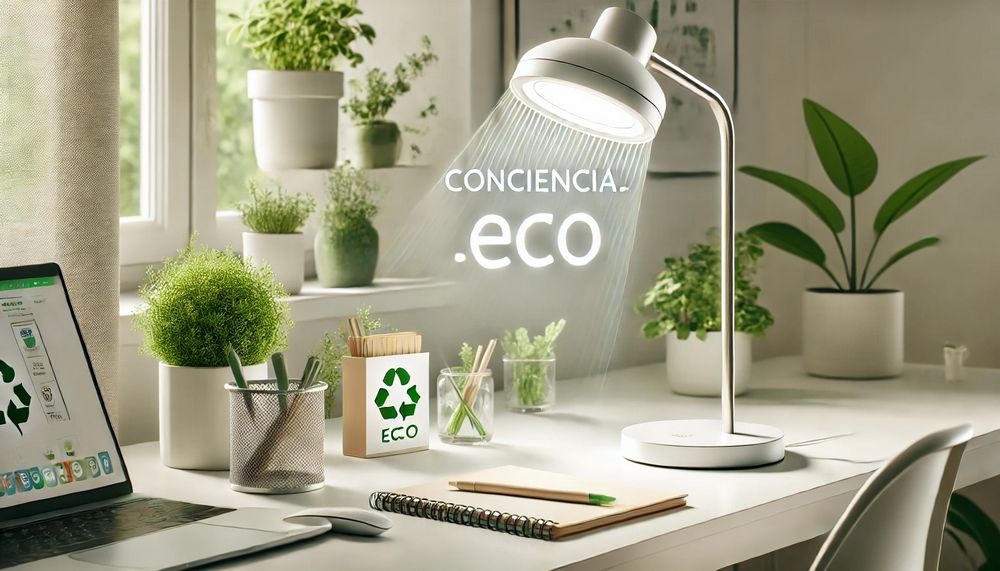
LED lamps are an efficient and sustainable alternative for lighting your study space. They consume up to 80% less energy than traditional bulbs and have a much longer lifespan. You will save energy while reducing your carbon footprint, and your electricity bill will thank you too.
3. Recycle and Reuse Your Study Materials
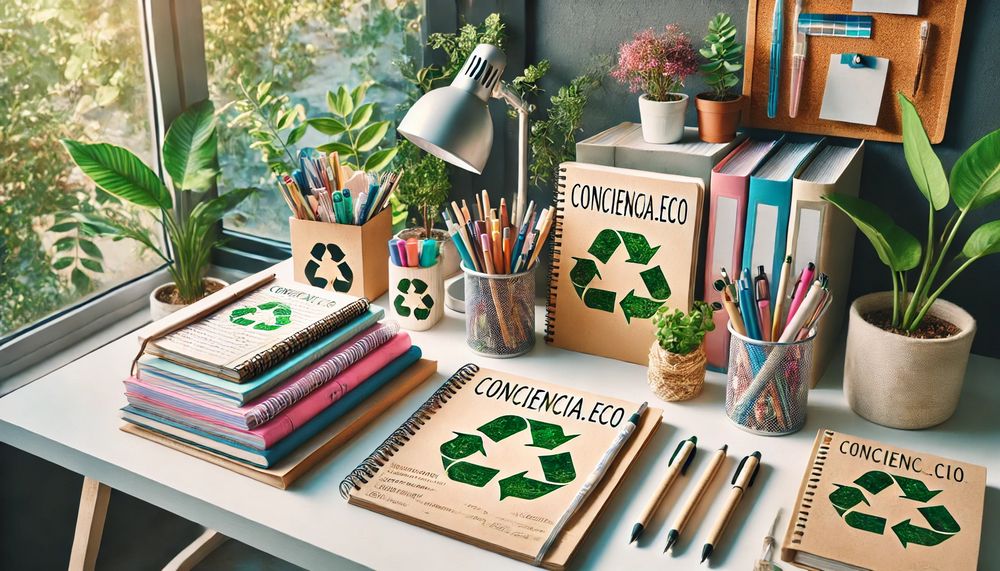
Check your school supplies before buying new ones each year. Often, you can reuse notebooks, folders, or pens. For those that are no longer usable, remember to recycle them properly. If you have blank pages from old notebooks, use them for quick notes or drafts.
4. Buy Sustainable School Supplies
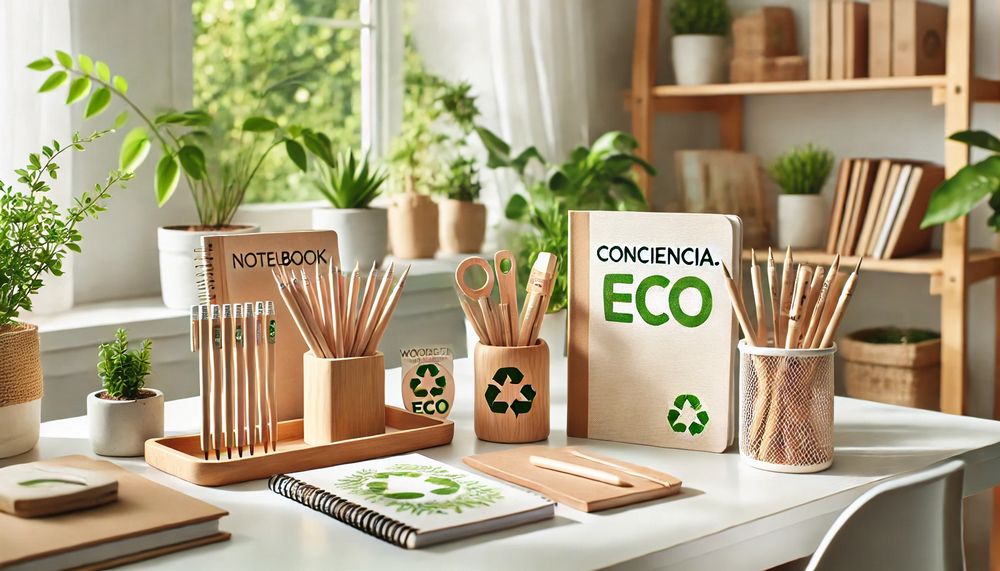
Choose products made from recycled or biodegradable materials. For example, notebooks made of recycled paper, pencils from certified wood, or refillable pens. These small choices have a big impact and promote responsible practices in the school supply industry.
5. Use a Solar Lamp to Light Up Your Space
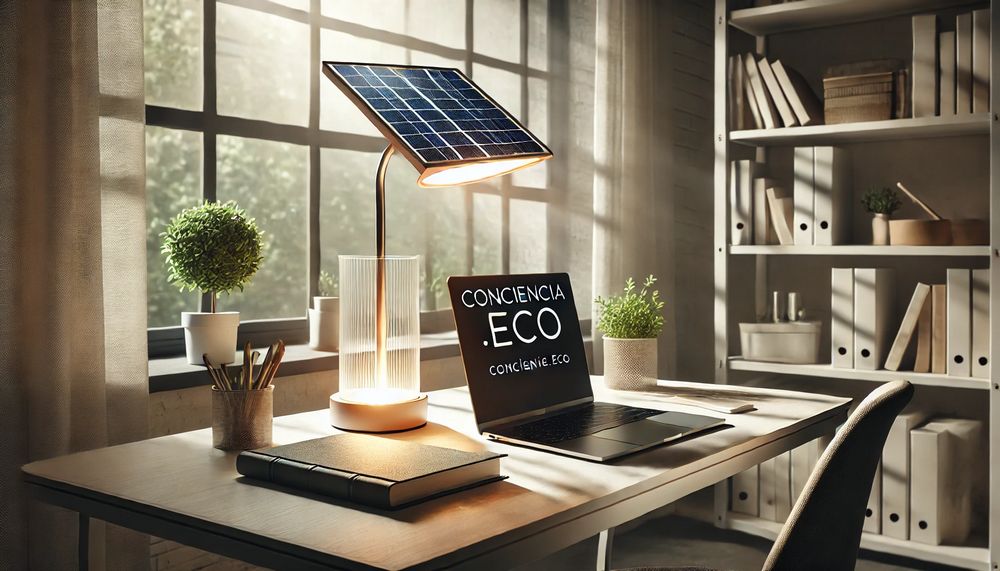
If you have access to direct sunlight in your study area, consider using a solar lamp. During the day, it charges with clean energy, and at night, it provides efficient lighting. It’s an excellent option for saving energy and making the most of natural resources.
6. Avoid Using Single-Use Plastics in Your Study Space

Say goodbye to single-use plastics like bottles, cups, or wrappers. Choose reusable alternatives such as stainless steel water bottles and plastic-free lunch containers. You will reduce the amount of waste you generate and help keep the planet clean.
7. Decorate Your Study Space with Plants
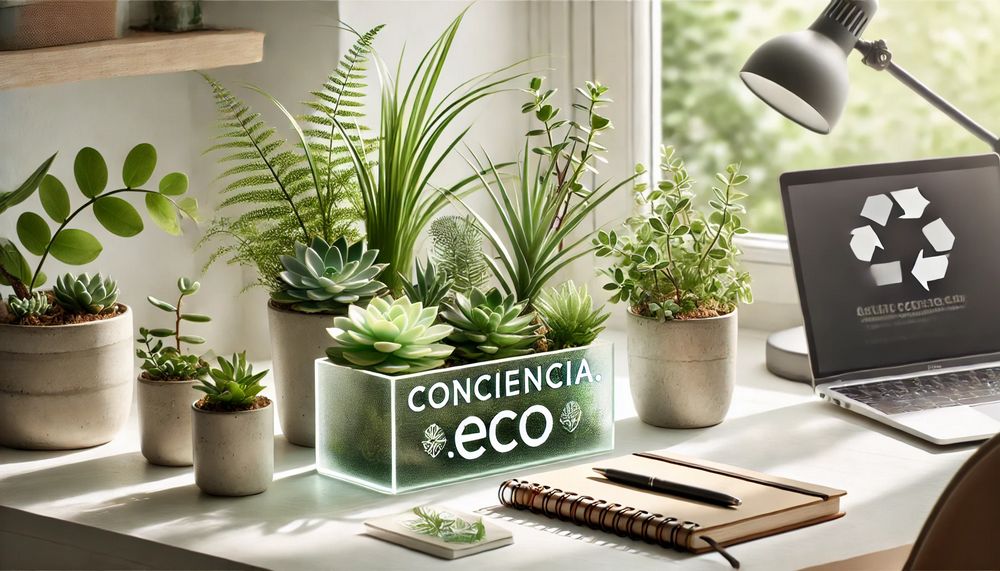
Plants not only beautify your space, but they also improve air quality and reduce stress. Choose easy-to-care-for varieties like succulents or ferns. Each plant is a small green lung that helps purify your surroundings while you study.
8. Do Your Tasks During Natural Daylight Hours
Taking advantage of daylight to study or do your homework is an easy way to save energy. Arrange your schedule to work near windows and keep the lights off as much as possible. It is a sustainable habit that also improves your productivity.
9. Choose a Desk Made of Certified and Sustainable Wood

If you are thinking about renewing your study space, look for furniture made with certified and sustainable wood. These types of materials come from responsibly managed forests, which reduces environmental impact and supports sustainable practices.
10. Adjust the Air Conditioner to Save Energy
If you need to use air conditioning while studying, set the temperature to a moderate level. Avoid setting it to extreme temperatures and use a fan to complement it. Efficient use of air conditioning helps reduce energy consumption and CO₂ emissions.
How Does the Paper Recycling Process Work?
Paper recycling is a key process for reducing tree cutting and making use of existing resources. Understanding how it works can motivate you to sort your waste correctly. Here, we explain the basic steps of the process:
- Collection: Paper waste is gathered through recycling centers or selective collection services.
- Classification: Paper is separated according to its type and quality to optimize recycling.
- Disintegration: The paper is mixed with water and becomes a pulp.
- Cleaning: Inks, staples, and other contaminants are removed from the pulp.
- Production: The clean pulp is pressed and dried to create recycled paper sheets ready for use.
Recycling the paper you use while studying can make a significant difference in caring for the environment.
Environmental Impact of Our Daily Actions
| Action | Negative Environmental Impact | Sustainable Alternative |
|---|---|---|
| Excessive paper use | Each ton of paper consumes approximately 17 trees and 26,500 liters of water. | Choose digital tools and recycle used paper. |
| Use of incandescent bulbs | An average incandescent bulb consumes 60W of energy and has a lifespan of only 1,200 hours. | Use LED lamps, which consume less energy and last more than 25,000 hours. |
| Use of single-use plastics | More than 79% of produced plastic ends up in landfills or the environment. | Replace with reusable bottles and plastic-free containers. |
| Not taking advantage of natural light | Excessive use of electric lighting increases energy consumption and CO₂ emissions. | Plan schedules to study during daylight hours. |
Benefits of Incorporating Plants into Your Study Space
Adding plants to your study area not only beautifies the environment but also offers multiple benefits. Here are some of the advantages:
- Improves air quality: Plants filter pollutants and increase oxygen levels.
- Stress reduction: The presence of plants can help you feel calmer and more focused.
- Natural decoration: They add a fresh and cozy touch to your space.
- Low maintenance: Some plants, such as succulents, are easy to care for and require little attention.
Add one or two plants to your desk to enjoy these benefits while you study!
Conclusion
Every small change you incorporate into your daily habits can have a positive impact on the environment. From using LED lamps to decorating with plants, there are many ways to care for the planet while studying or doing homework. Start today with these ideas and become an agent of change. Together we can build a more sustainable future!