Did you know your DIY projects can be an opportunity to care for the environment? With small changes in the materials and techniques you use, you can make a big difference. Here we share 10 sustainable tips to make your creations more eco-friendly while having fun creating.
1. Use Recycled Materials for Your Projects
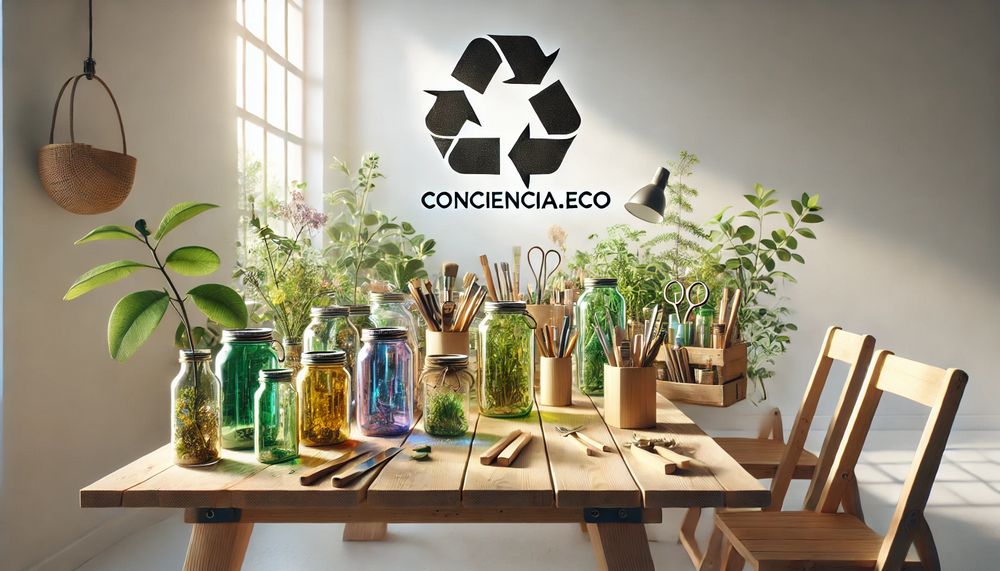
Reusing materials like old wood, glass jars, or cardboard not only saves resources but also adds a unique touch to your creations. Look around your home or at thrift stores for materials that can have a second life in your DIY projects.
2. Reduce Material Waste
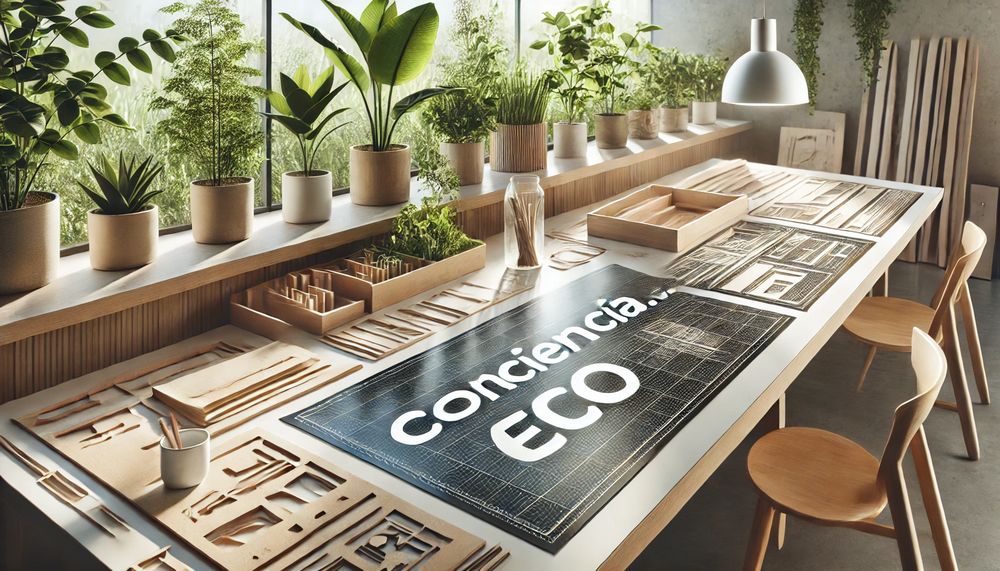
Plan well what you need before starting your project to avoid waste. Use molds or templates to cut materials precisely and make the most of every inch of the resources you have. This way, in addition to caring for the planet, you save money.
3. Choose Eco-friendly Paints and Adhesives
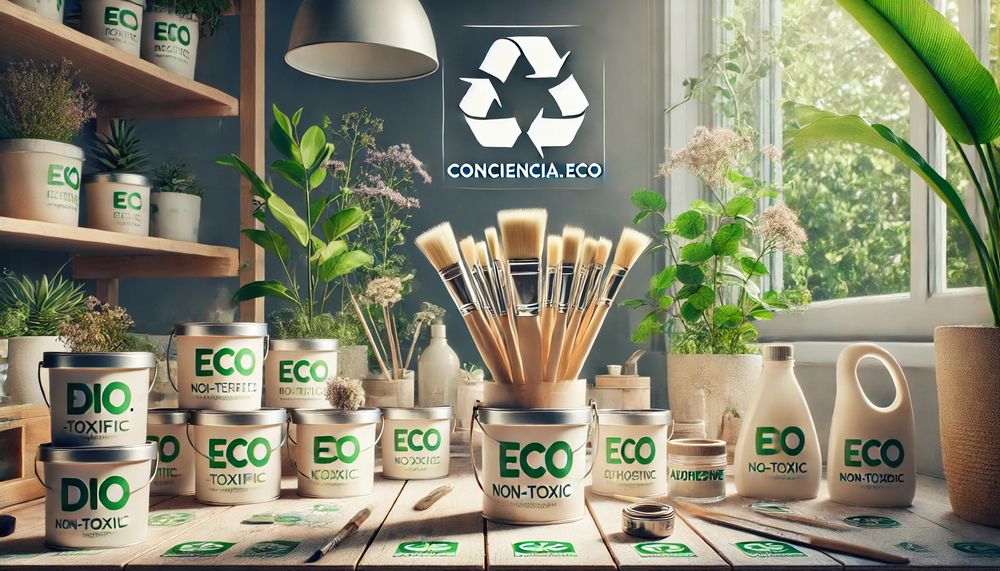
Choose products that are free of toxic compounds and have eco-friendly certification. These options are less harmful to the environment and safer for you and your family. Look for water-based options to minimize environmental impact.
4. Reuse Tools and Avoid Buying New Ones
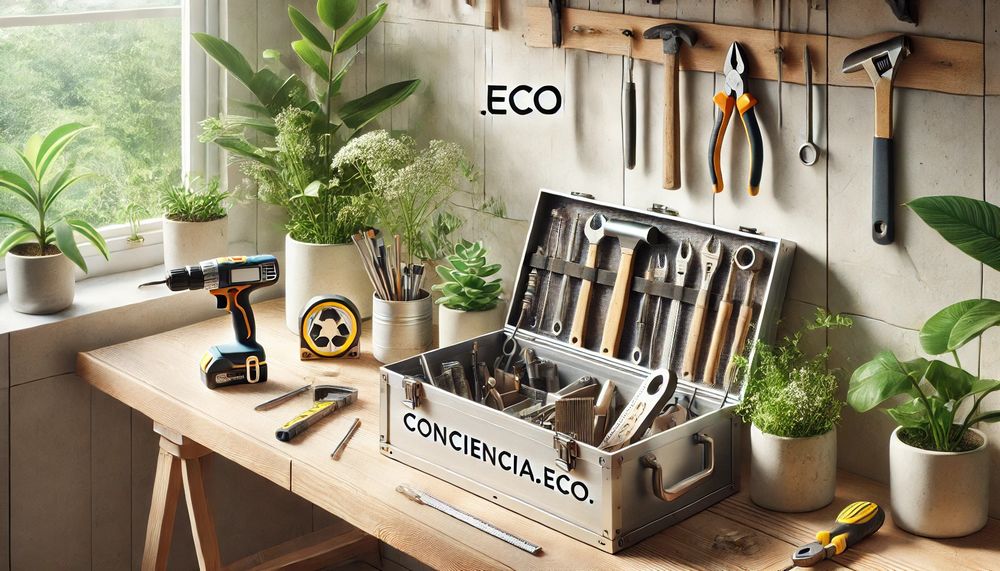
Before buying new tools, check if you can borrow, rent, or find second-hand options. Repairing the tools you already have is also an excellent way to reduce your ecological footprint and extend the lifespan of your tools.
5. Save Energy Using Hand Tools

Whenever possible, choose manual tools instead of electric ones. Not only do you save energy, but you also promote a more sustainable lifestyle. Plus, doing DIY by hand can be a much more satisfying and relaxing experience!
6. Collect Natural Materials Responsibly
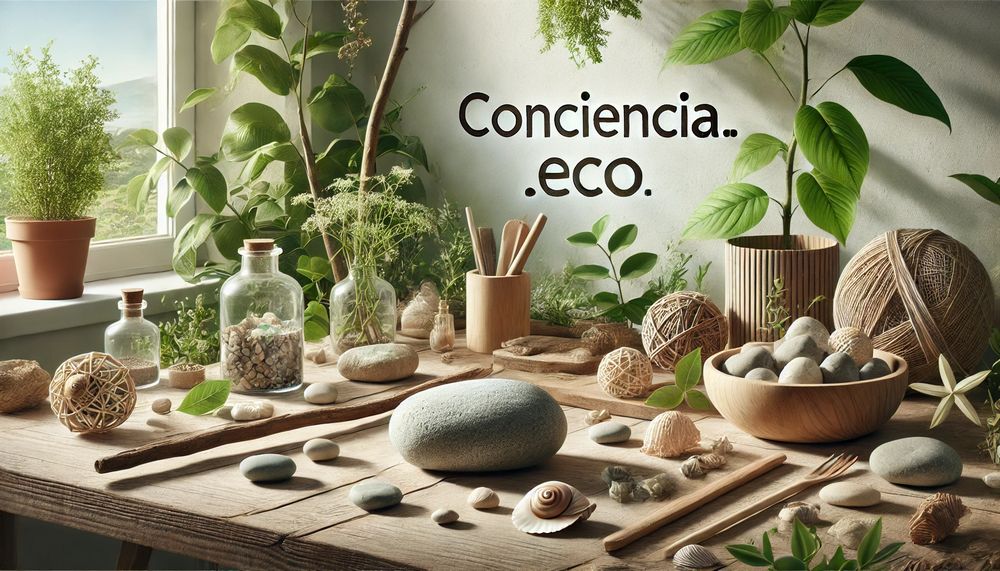
If you decide to use materials like branches, stones, or shells, make sure to collect them sustainably. Take only what you need and respect the ecosystems where you source them. Avoid taking materials from protected areas or those essential to local wildlife.
7. Choose Certified Wood or Wood from Sustainable Sources
Certified wood, such as wood with the FSC (Forest Stewardship Council) label, ensures it comes from sustainably managed forests. This small change in your projects can help reduce deforestation and support responsible practices.
8. Recycle the Leftovers from Your Projects
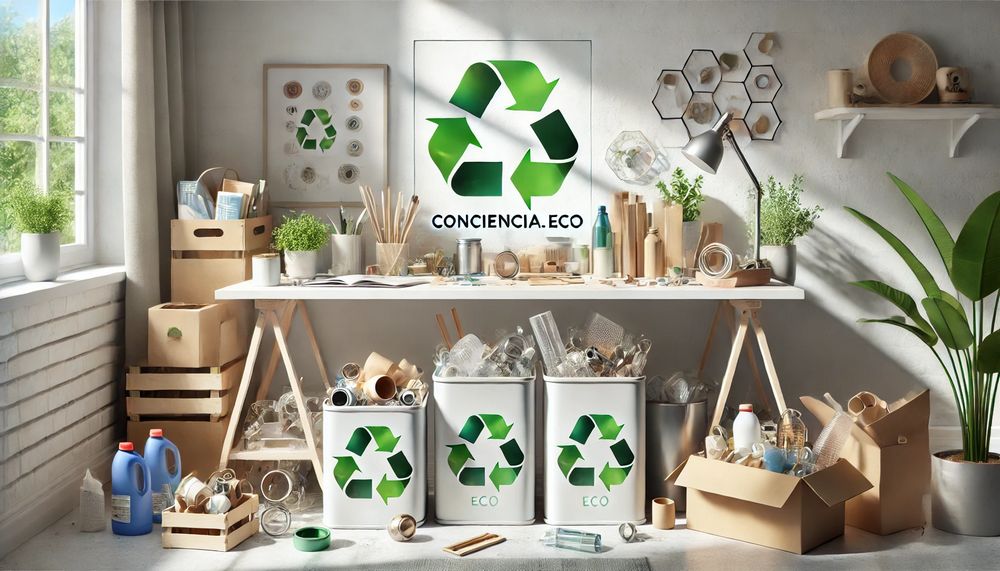
After finishing your project, do not throw away the leftovers. Sort materials such as plastic, metal, or paper to recycle them properly. Giving them a new use or disposing of them properly prevents them from ending up contaminating the environment.
9. Shop at Secondhand Stores
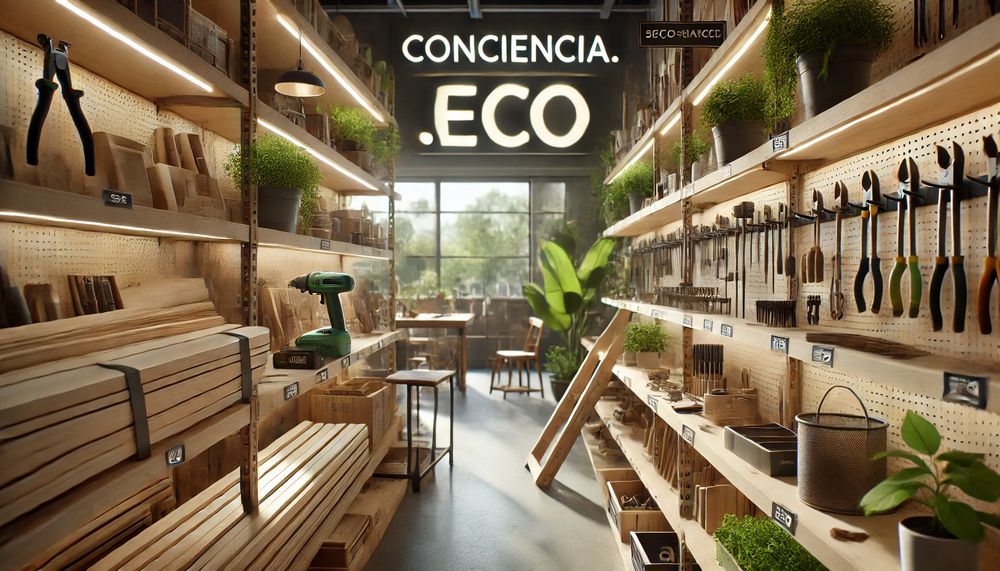
Secondhand stores are an excellent source of materials and tools at low prices. By shopping here, you reduce the demand for new products and extend the lifespan of items that already exist. It’s a win-win for you and the planet!
10. Share Your Projects and Promote Environmental Awareness
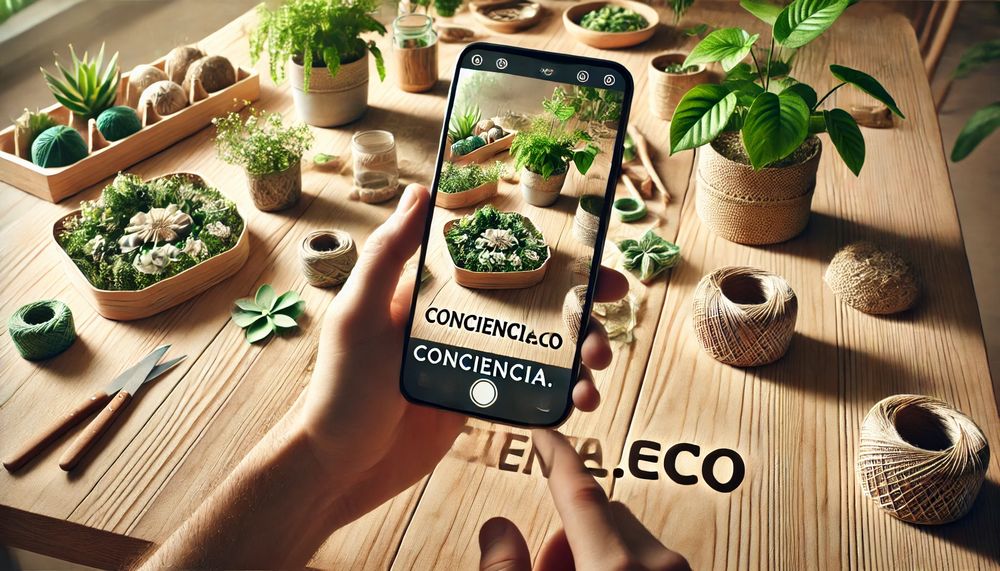
Use your creations as a way to inspire others to care for the environment. Share your projects on social media or at family gatherings, explaining how you applied sustainable practices. Change begins with small steps, and you can be a great example.
Benefits of Using Recycled Materials in DIY Projects
- Reduces the amount of waste by preventing useful materials from ending up in the landfill.
- You save money, as many recycled materials are available for free or at low cost.
- Give a unique and original touch to your projects with elements that have history and character.
- You help conserve natural resources by minimizing the demand for new materials.
- You foster creativity by finding new ways to reuse objects and give them a second life.
Environmental Impact of DIY and How to Reduce It
| Environmental Impact | Common Example | Sustainable Action |
|---|---|---|
| Waste Generation | Wood, Plastic, and Paper Scrap | Sort and recycle leftovers or reuse them in future projects |
| Resource Consumption | Use of new materials like non-certified wood | Choose FSC-certified wood or recycled materials |
| Use of Chemical Products | Toxic Paints and Adhesives | Choose water-based or certified eco-friendly products |
| Energy Consumption | Use of high-consumption electric tools | Use manual tools whenever possible |
| Generation of Toxic Waste | Improper disposal of products like varnishes | Dispose of hazardous waste at specialized collection points |
Sustainable Tools: What They Are and How to Choose Them
Sustainable tools are those designed to minimize their environmental impact during manufacturing, use, and disposal. Choosing them not only benefits the planet but can also make your DIY projects safer and more efficient.
- Choose tools made from recycled or recyclable materials.
- Choose quality tools that are durable and easy to repair.
- Look for brands that commit to responsible practices in production.
- Consider manual tools instead of electric ones to reduce energy consumption.
In conclusion, adopting sustainable tools in your projects is a simple but meaningful step to reduce your ecological footprint. Get inspired to explore and try responsible options. Every decision counts, and you can be part of the change. Start today and make DIY a more mindful activity!