Enjoying a day at the beach can be a wonderful experience, but it is also an opportunity to care for our planet. With small actions, you can make a difference and preserve the marine environment. Here are 10 eco-friendly ideas to help you enjoy the beach while protecting the ecosystem. Apply these practices and become a responsible visitor!
1. Bring Your Own Reusable Containers
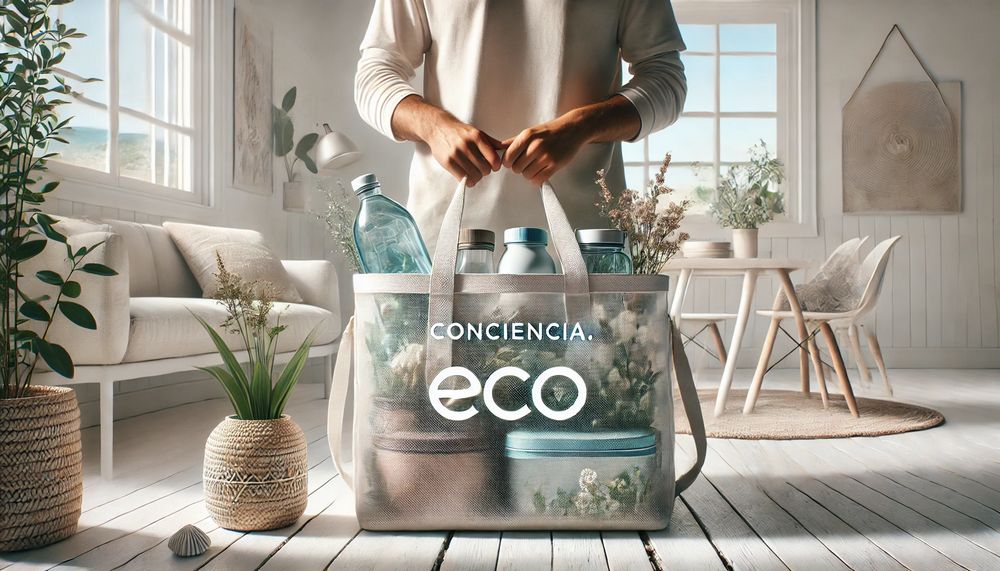
Avoid generating unnecessary waste by bringing your own reusable containers for food and drinks. Besides reducing pollution, you ensure that your beach experience is more practical and sustainable. Reusable containers are a simple and effective alternative to keep natural areas clean and protect marine life.
2. Avoid Using Sunscreens with Harmful Ingredients
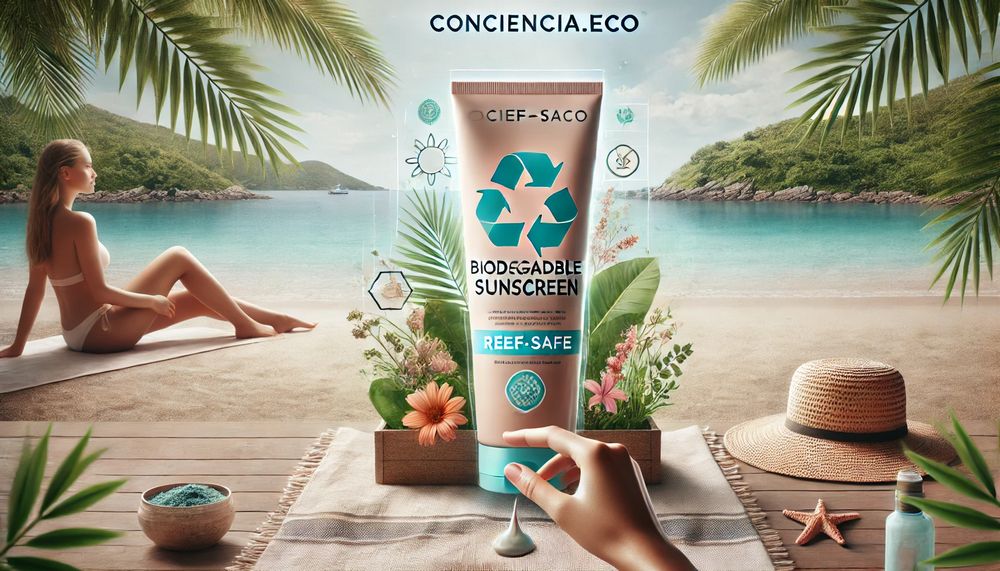
Many sunscreens contain chemicals like oxybenzone and octinoxate, which harm coral reefs and marine life. Choose biodegradable sunscreens or those labeled as “reef-safe“. Protecting your skin doesn’t have to mean harming the environment. Choose options that are kinder to the ecosystem and enjoy the sun responsibly.
3. Collect Your Trash and What You Find
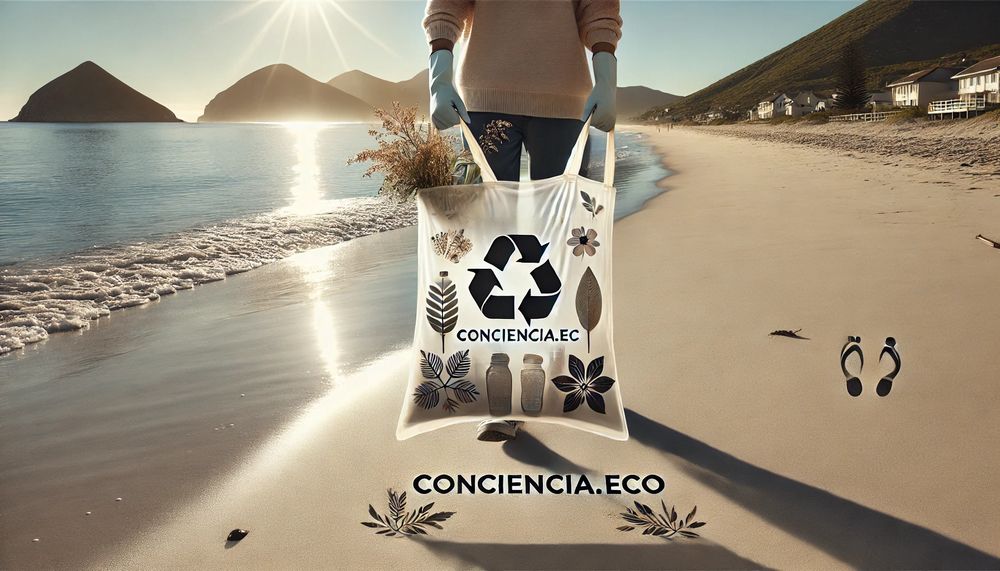
Do not leave a trace of your visit. Bring a bag to collect your waste and, if you can, also pick up any trash you find along the way. With a simple gesture, you can contribute to keeping the environment clean and prevent debris from ending up in the ocean. Make your beach day memorable for your positive impact!
4. Choose Microfiber or Eco-friendly Towels
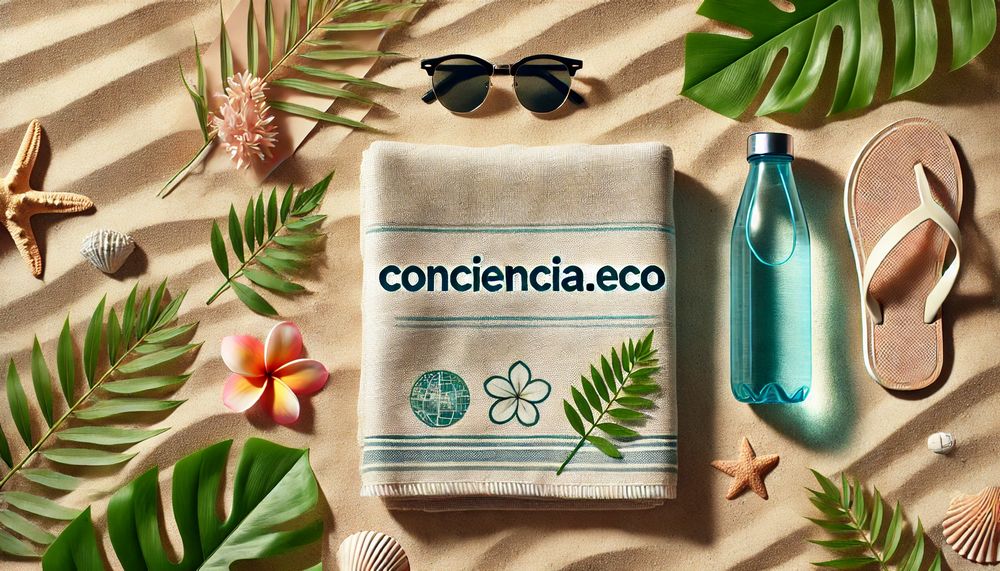
Traditional towels are often made from unsustainable materials. Choosing a microfiber towel or one made from recycled materials is not only better for the environment but also more practical: they take up less space and dry quickly. Small changes in your accessories can have a big impact.
5. Use Swimsuits Made from Sustainable Materials
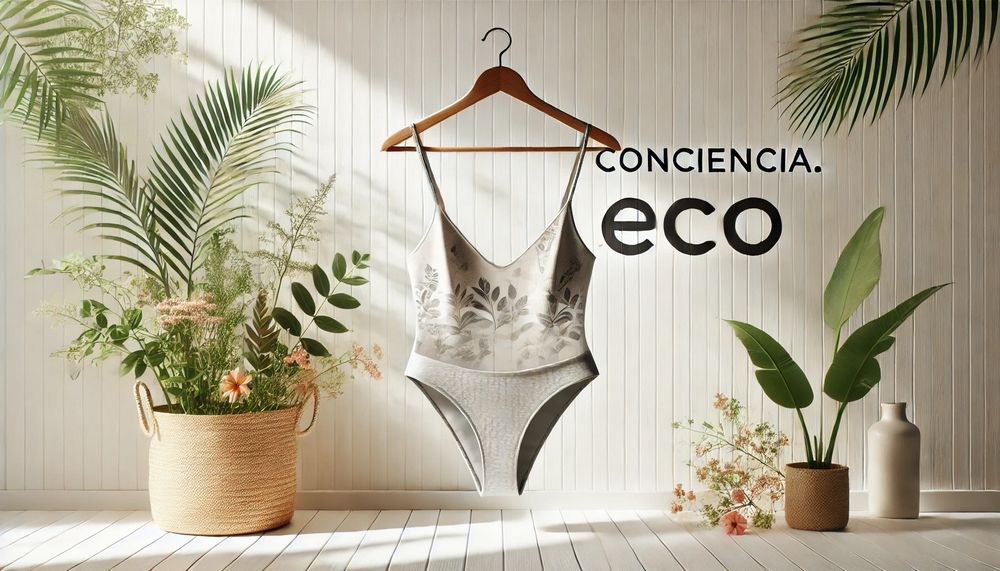
There are increasingly more options for swimsuits made from recycled materials, such as recovered fishing nets or PET bottles. These garments are not only functional and modern, but they also help reduce plastic waste. Choosing sustainable fashion is an easy way to support environmental care.
6. Walk or Ride a Bike to Get to the Beach
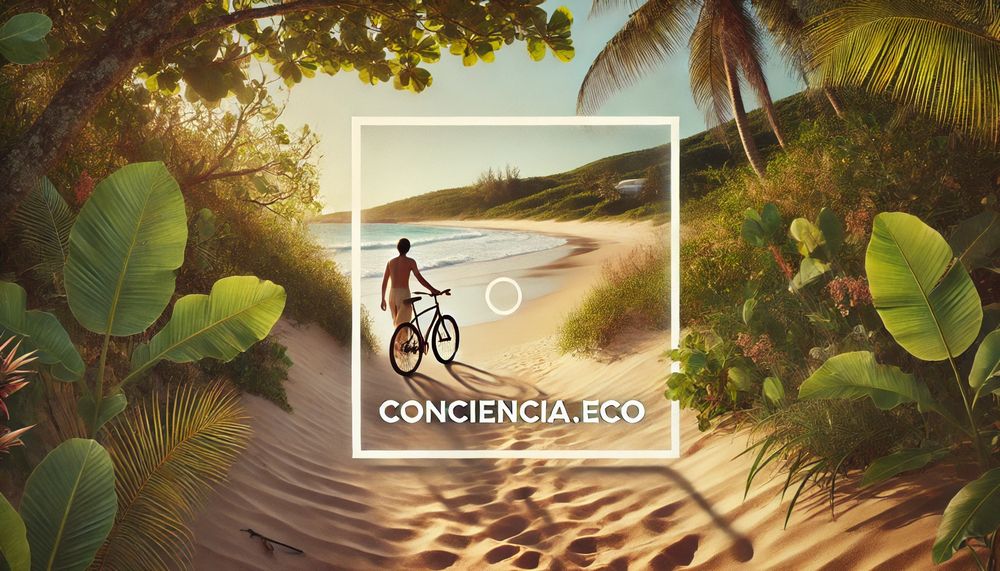
Reducing your carbon footprint is an excellent way to care for the environment. If you live near the beach, consider walking or using a bicycle to get there. This not only helps the planet but also improves your health. Choosing non-motorized transportation is a small gesture with a big impact.
7. Respect Vegetation Zones and Dunes
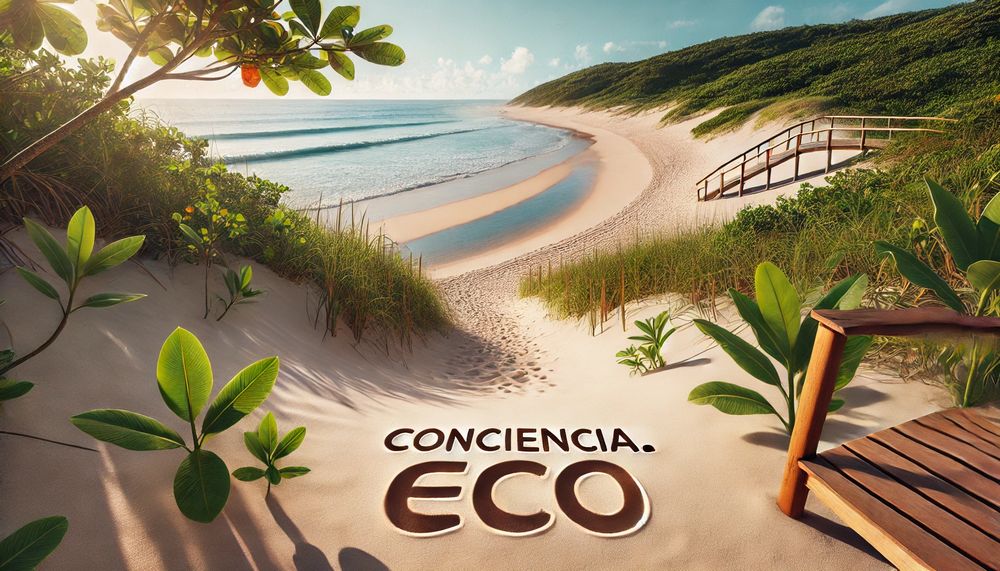
Dunes and coastal vegetation are important habitats that protect biodiversity. Avoid walking or settling in these areas to prevent damaging the ecosystem. Respecting these spaces is key to maintaining natural balance and preventing beach erosion.
8. Avoid the Use of Single-Use Plastics
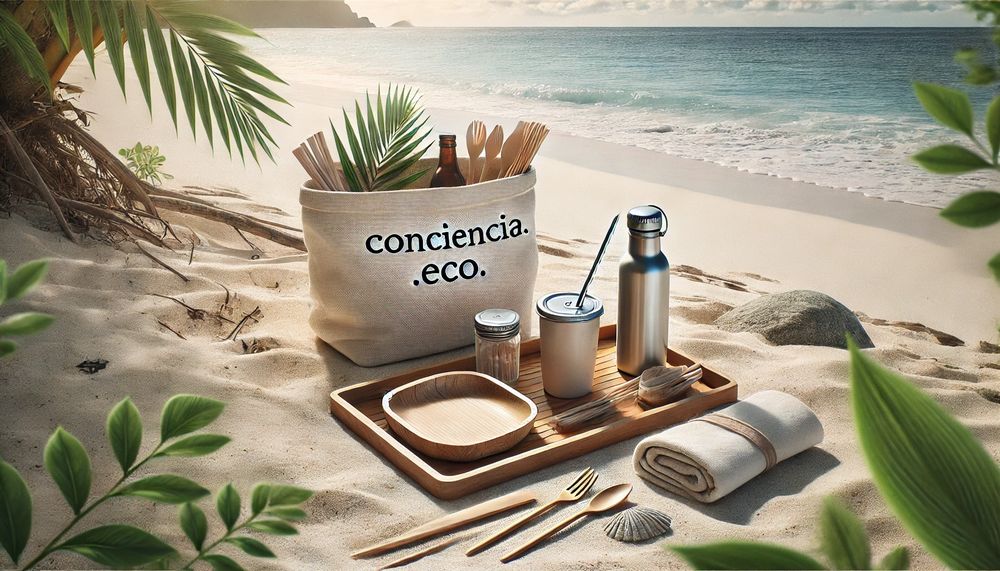
Plastics such as straws, bags, or disposable utensils often end up polluting the oceans. Bring your own reusable cutlery, plates, and straws. Reducing single-use plastics is one of the best ways to protect marine life.
9. Do Not Feed Wild Animals
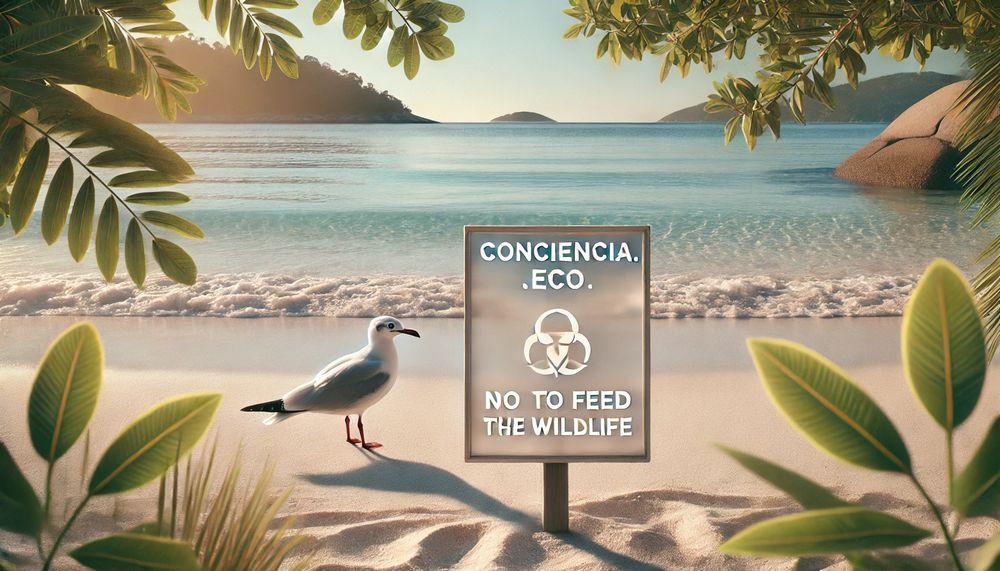
Although it may seem harmless, feeding wild birds or animals disrupts their natural diet and can be harmful to them. Additionally, food scraps often attract pests and dirty the environment. Let animals live in their habitat without interference to preserve the balance of the ecosystem.
10. Participate in Beach Clean-Up Activities
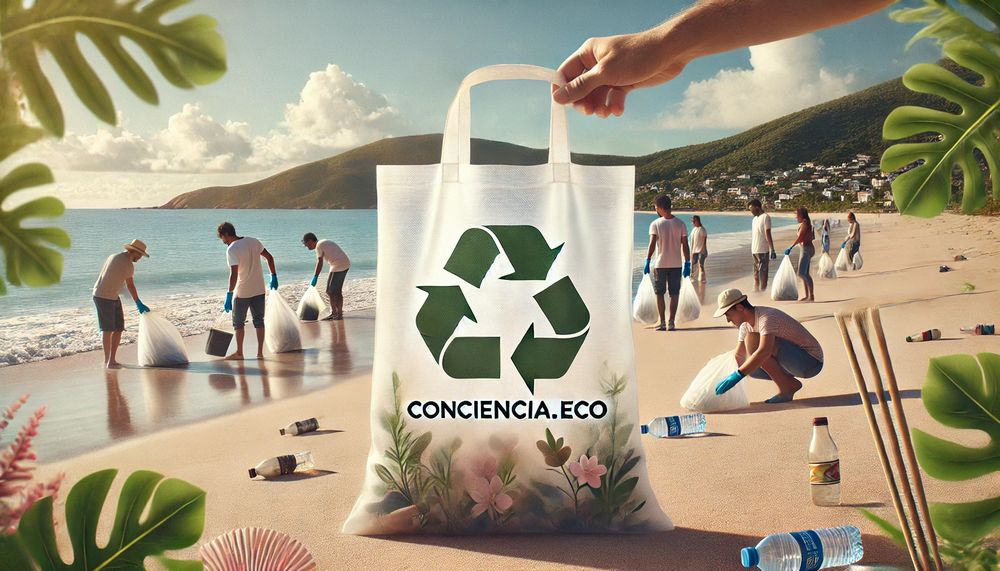
Get involved in local beach cleanup initiatives. It’s a great way to give back to nature while enjoying the outdoors. Joining these activities not only helps the environment, but also raises awareness and fosters positive change in your community.
The Positive Impact of Recycling on Marine Ecosystems
Recycling plays a crucial role in protecting marine ecosystems. Many plastic wastes that end up in the ocean can take hundreds of years to degrade, severely impacting marine life. By recycling, you not only reduce the amount of waste that reaches the sea but also promote the reuse of materials. Here are some benefits of recycling for marine ecosystems:
- Reduces marine pollution: By recycling plastic, you prevent these materials from damaging sensitive habitats such as coral reefs.
- Protect marine wildlife: Less waste in the water means a lower risk of animals ingesting it or becoming entangled.
- Conserves natural resources: Reusing materials reduces the need to extract new raw materials, helping to preserve the environment.
Every time you recycle, you take an important step toward keeping the oceans healthy and full of life. Join the change!
Environmental Impact of Ocean Waste and How You Can Reduce It
| Type of Waste | Decomposition Time | How to Reduce It |
|---|---|---|
| Plastic Bags | 500 years | Use reusable fabric bags or bags made from biodegradable materials. |
| Plastic Bottles | 450 years | Carry a reusable bottle for your drinks. |
| Straws | 200 years | Use stainless steel, bamboo straws, or simply avoid using them. |
| Aluminum Cans | 80-100 years | Make sure to recycle them properly at recycling centers. |
| Glass | 4,000 years or more | Reuse jars and recycle glass at proper facilities. |
How to Choose Eco-Friendly Sunscreens
Choosing a sunscreen that protects your skin and the environment is easier than it seems. By making informed decisions, you can enjoy a day at the beach without harming marine ecosystems. Here are some key tips for selecting the best option:
- Look for “reef-safe” labels: These certifications ensure the product does not contain chemicals harmful to corals.
- Choose mineral sunscreens: Sunscreens with zinc oxide or titanium dioxide are less harmful to marine environments.
- Avoid aerosols: Besides being less effective, they release particles that pollute the air and water.
- Choose biodegradable options: These products break down faster and reduce their impact on nature.
Protecting your skin should not mean harming the planet. Choose responsible options and enjoy the sun worry-free.
Alternatives to Single-Use Plastic for a Day at the Beach
Reducing the use of single-use plastics is a crucial action to protect oceans and beaches. Changing habits can be easier than you think if you choose sustainable alternatives like stainless steel bottles, bamboo straws, cloth bags, and reusable utensils. These options are not only practical but also help reduce the amount of waste that ends up polluting the seas.
Small decisions like these can have a huge impact. You have the power to make a difference. Change your habits and help keep beaches clean and oceans full of life. The planet will thank you!