Ironing clothes is a daily activity that can have a significant impact on energy consumption and, consequently, the environment. The good news is that there are many practical ways to minimize this impact. Below, we share 10 easy and effective tips for eco-friendly ironing while saving energy and money.
1. Use the Iron Only When Necessary
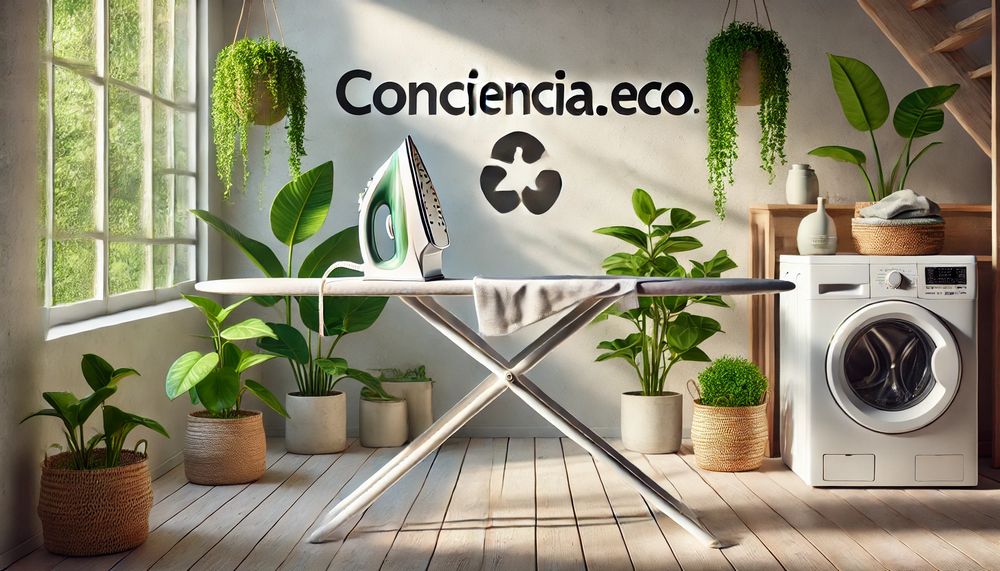
Many times we turn on the iron in a hurry or to fix just one garment. However, it is more efficient to gather several garments to iron them in a single session. This reduces the iron’s usage time and energy consumption, as well as optimizing your time.
2. Group Clothes and Iron in Batches
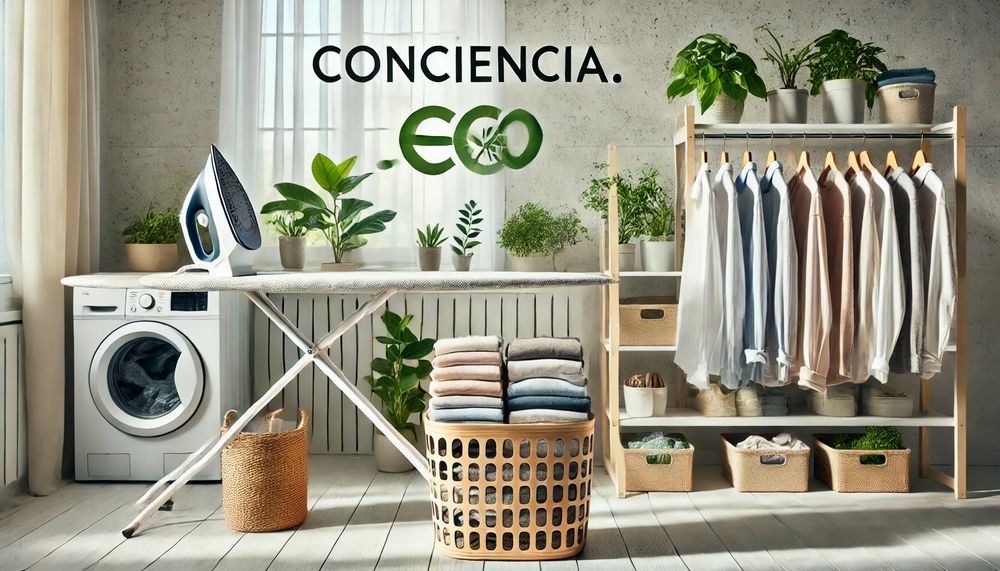
Separating clothes by fabric type and starting with those that require less heat will help you avoid constant temperature adjustments. This habit, besides being practical, optimizes energy use by taking advantage of the accumulated heat while ironing similar garments.
3. Make Use of the Residual Heat from the Iron
Once you finish ironing, the residual heat from the iron can be useful to give a final touch to lighter garments. This way, you save electricity by not having to keep the iron on longer than necessary.
4. Adjust the Temperature According to the Fabric Type

Each type of fabric requires a specific temperature. Setting the iron correctly not only prevents damage to your garments but also reduces energy consumption, as there is no need to overheat delicate fabrics like silk or polyester.
5. Choose an Energy-Efficient Iron
Choosing an iron with energy efficiency certifications can make a difference. These irons are designed to consume less electricity without sacrificing performance. Although their initial price may be a bit higher, they represent considerable savings in the long run.
6. Unplug the Iron When Finished
Although it seems simple, we often forget to unplug the iron after using it. This habit not only prevents energy consumption in standby mode but also prevents electrical accidents and contributes to energy savings.
7. Avoid Using Irons in Poor Condition or Outdated
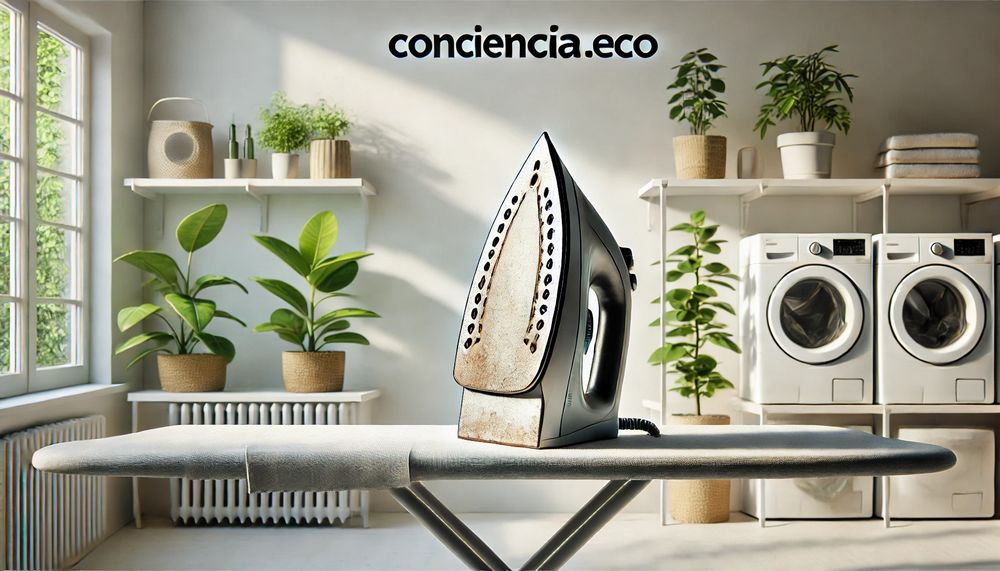
Old or damaged irons usually consume more electricity to reach the proper temperature. Switching to a more modern and efficient model reduces your carbon footprint and optimizes performance, extending the appliance’s lifespan.
8. Use Filtered Water to Extend the Life of Your Iron
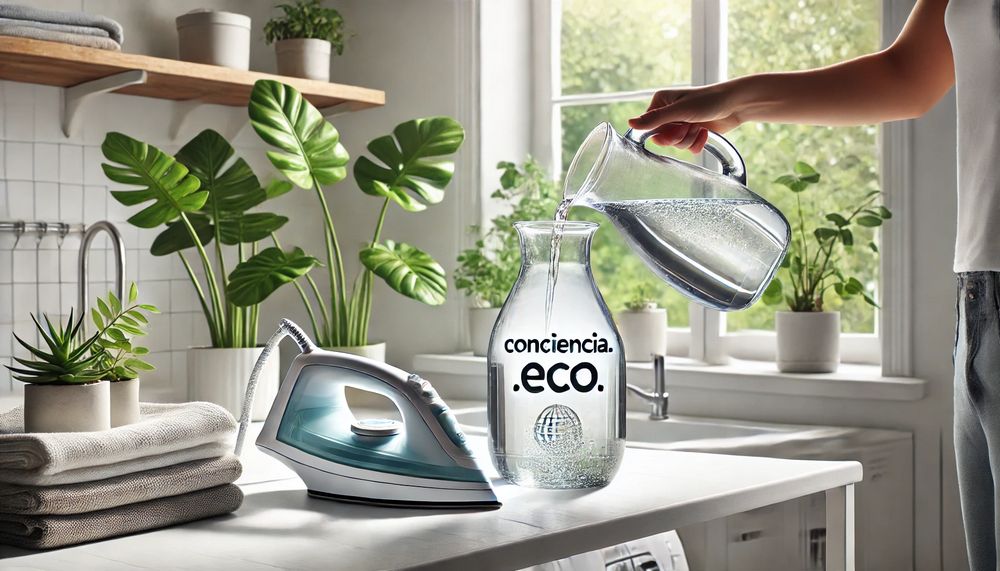
Tap water can contain minerals that build up inside the iron, affecting its efficiency. Using filtered or distilled water helps prevent the buildup of limescale deposits, ensuring the iron operates optimally for a longer time.
9. Iron in a Well-Ventilated and Bright Space
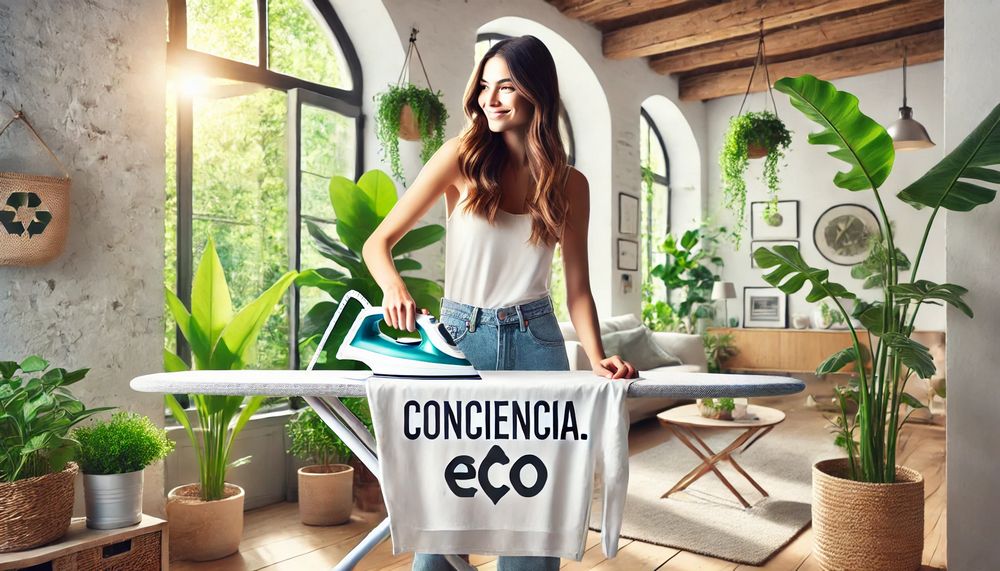
Ironing in a well-lit area with natural light and good ventilation reduces the need to turn on additional lights or fans. This contributes to lower energy consumption, while making the task more enjoyable.
10. Reduce the Need for Ironing with Proper Washing and Drying
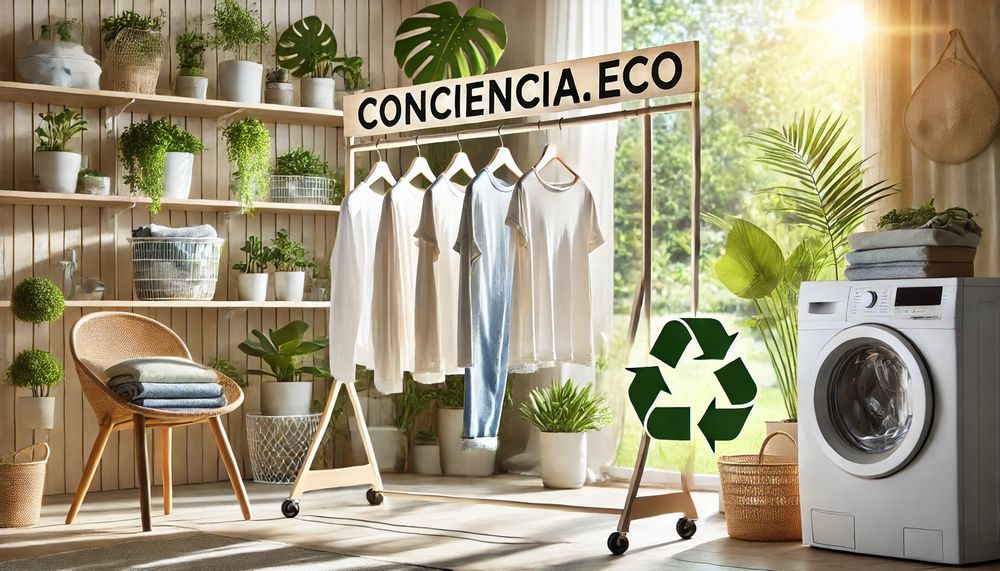
Using the right wash cycles and hanging clothes properly after washing can minimize wrinkles. This way, you reduce the time you spend ironing and energy consumption, all while keeping your garments in good condition.
Benefits of Using a Low-Consumption Iron
- Reduction of energy consumption: Low-consumption irons are designed to use less electricity, resulting in a lower environmental impact and savings on the electric bill.
- Greater efficiency: These irons reach the proper temperature faster, optimizing the time you spend ironing.
- Long-lasting lifespan: Being made with modern technology, they tend to be more durable and resilient, which reduces the need for frequent replacements.
- Contribution to sustainability: By choosing efficient appliances, you are supporting the transition to a more sustainable and environmentally responsible home.
- Enhanced safety: Many models include automatic shut-off systems, which minimize risks and prevent unnecessary consumption.
Impact of Household Energy Consumption and How to Reduce It
| Category | Average Energy Consumption | How to Reduce It |
|---|---|---|
| Clothes Irons | Up to 1.5 kWh per hour | Choose efficient models and iron in long sessions to optimize heat use. |
| Washing Machines | 1 kWh per load | Wash with cold water and wait until you have a full load. |
| Lighting | 20% of total household consumption | Replace incandescent bulbs with LEDs and take advantage of natural light. |
| Refrigerators | 150-200 kWh per month | Check that the doors close properly and adjust the temperature according to the season. |
| Air Conditioners | Up to 3.5 kWh per hour | Use fans and keep the thermostat at 75°F or higher. |
Tips to Reduce Energy Use at Home
Saving energy at home not only benefits the environment but also helps reduce utility bills. Adopting small changes in your daily habits can make a significant long-term impact. Here are some key tips:
- Turn off electronic devices: Unplug devices and appliances you are not using to avoid standby power consumption.
- Use LED bulbs: This type of lighting consumes less energy and has a longer lifespan compared to traditional bulbs.
- Use natural light: Open curtains and windows during the day to brighten your home without needing to turn on lights.
- Optimize appliance use: Use washing machines, dishwashers, and dryers in full-load cycles to maximize their energy efficiency.
- Control the temperature: Adjust the thermostat in winter and summer to avoid excessive heating or air conditioning use.
Conclusion
Caring for the environment while performing daily tasks like ironing clothes is easier than it seems. Adopting sustainable habits and choosing efficient technologies can make a difference in reducing your carbon footprint. Start with these tips and transform your home into a more eco-friendly space. What changes will you make today? Share your ideas and together let’s create a greener world!