Cooking sustainably not only benefits the environment but can also help you save money and live a healthier life. Incorporating eco-friendly habits into your daily cooking routine is easier than you think. Here we share 10 practical ideas for cooking at home while caring for the planet at the same time.
1. Reduce Food Waste by Planning Your Meals
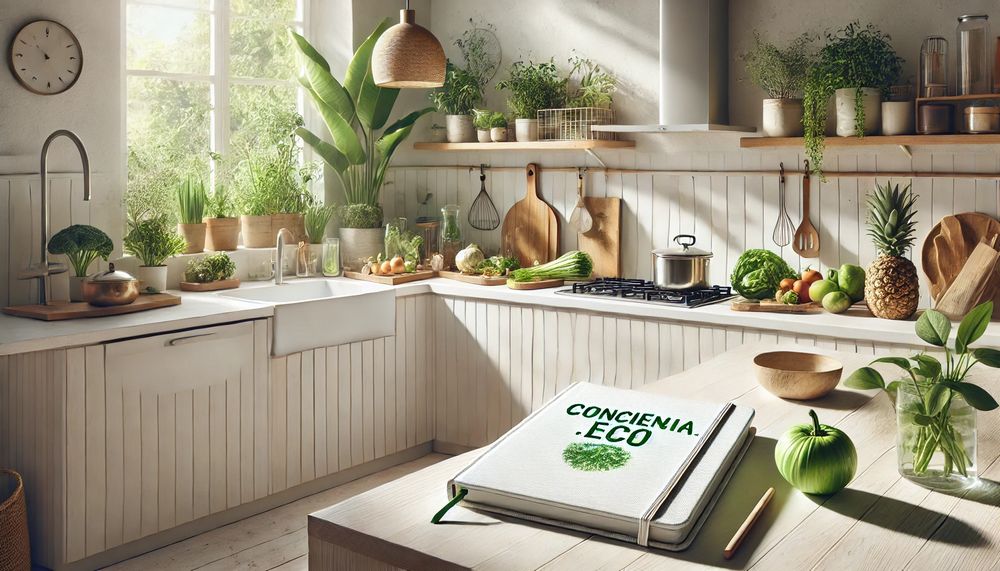
Planning your weekly meals not only helps you get better organized but also prevents you from buying food that will end up in the trash. Creating a shopping list based on specific recipes will allow you to use only what is necessary. Additionally, you will be contributing to reducing food waste, a major environmental challenge.
2. Choose Seasonal and Local Ingredients
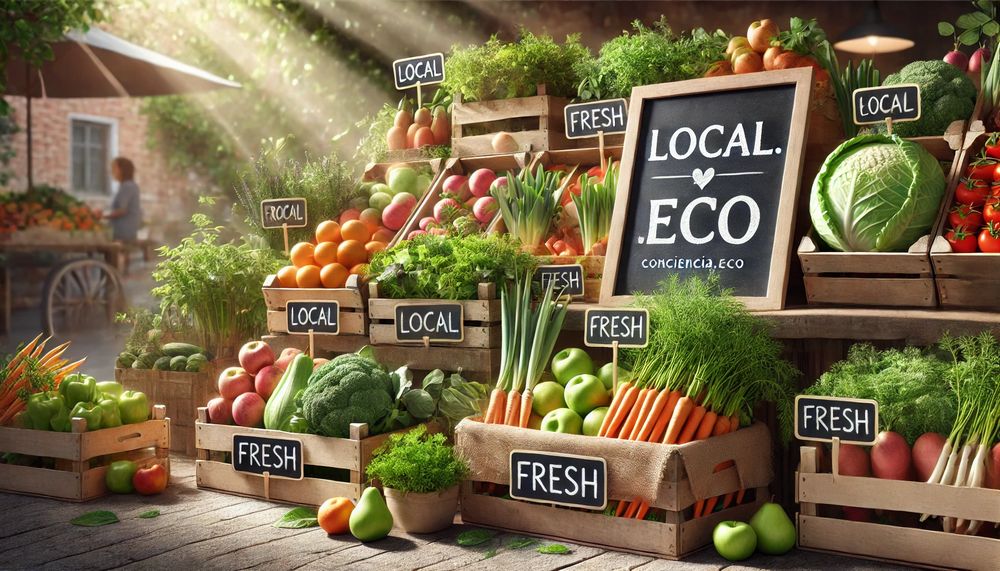
Seasonal foods are not only fresher and more flavorful, but they also have a lower carbon footprint, as they do not require long-distance transport or preservation processes. Buying local products supports small farmers and reduces emissions associated with food transportation.
3. Make the Most of Food Scraps
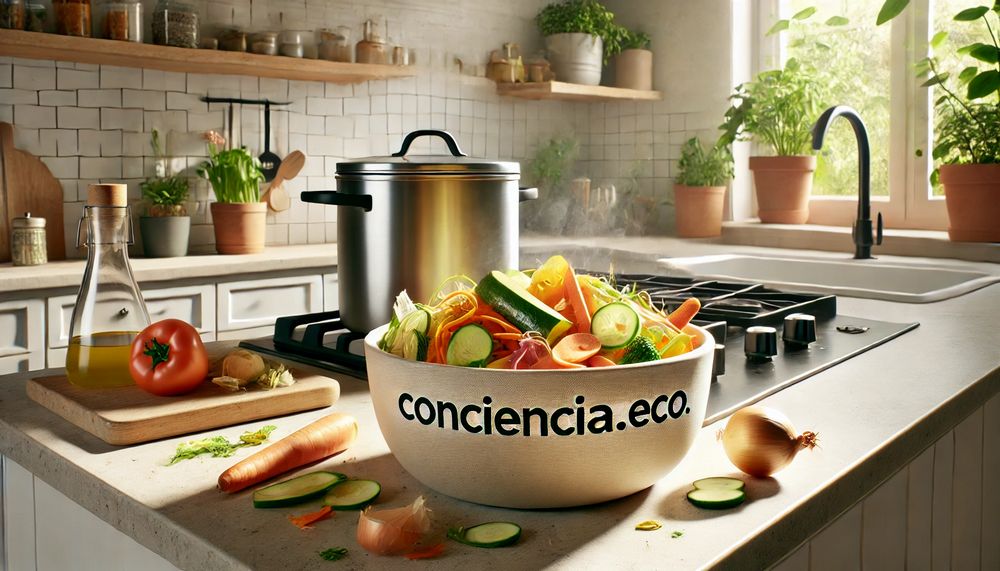
Food scraps don’t have to go straight to the trash. Use peels, stems, or bones to make homemade broths. Leftovers from one meal can be transformed into ingredients for another. This habit not only reduces waste, but also encourages creativity in the kitchen.
4. Use Utensils and Cookware Made of Durable Materials

Investing in high-quality cookware and durable materials, such as stainless steel or cast iron, is a great way to reduce environmental impact. These materials are more resilient and prevent the need for constant replacements. Additionally, they tend to be more efficient at conducting heat, which helps save energy.
5. Cook with Cleaner Energy or More Efficiently

Choose cooking methods that use less energy, such as pressure cookers or lids to speed up the cooking process. If possible, consider cleaner energy sources, like induction or efficient gas stoves. Every small action counts to reduce your energy footprint while cooking.
6. Reuse Cooking Water for Other Tasks
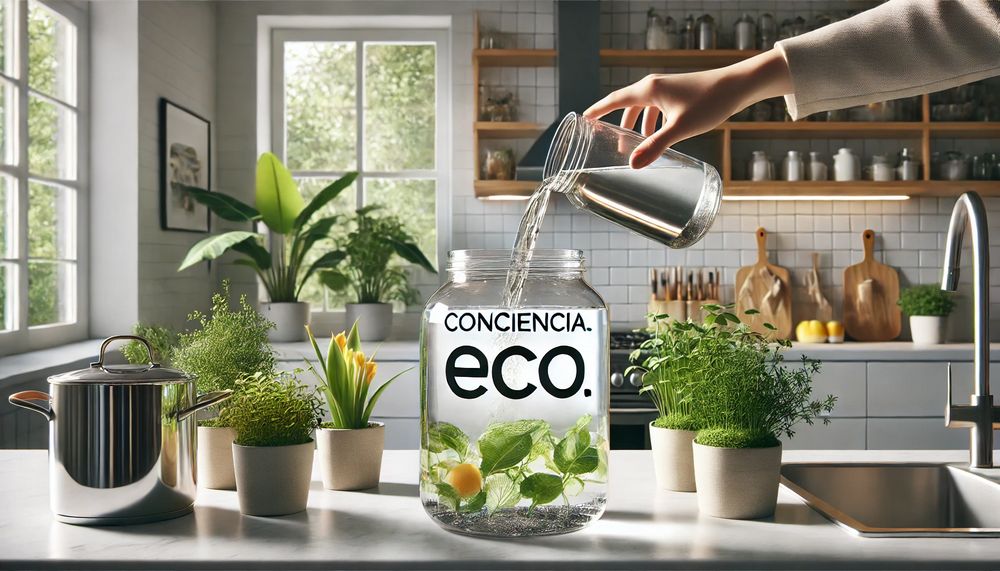
The water you use to boil pasta, rice, or vegetables doesn’t have to go to waste. You can reuse it to water plants (once cooled) or even as a base for soups and broths. This simple habit helps save water and make the most of the resources you’re already using.
7. Avoid the Use of Disposable Plastics in Your Kitchen
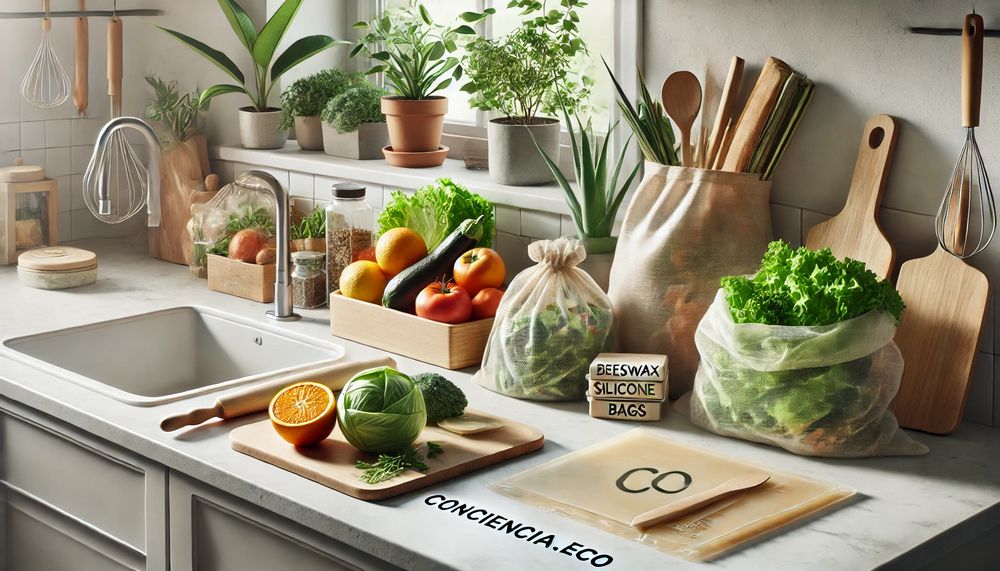
Replace plastic wrap, single-use bags, and disposable utensils with reusable options like beeswax wraps or cloth bags. This simple change significantly reduces plastic waste, protecting the oceans and the planet’s biodiversity.
8. Compost Your Kitchen Organic Waste
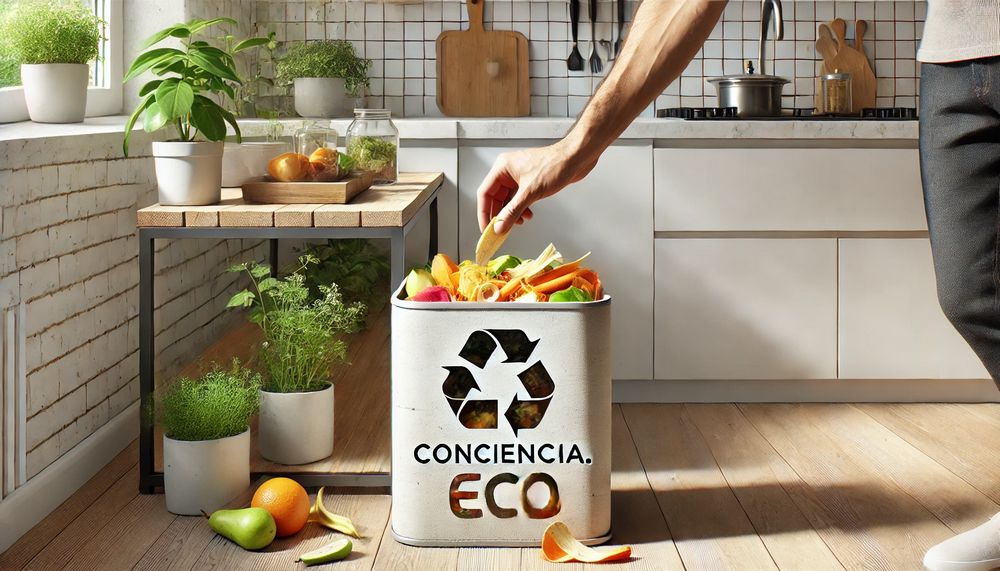
Turn fruit, vegetable scraps, and other food waste into natural fertilizer through composting. This process not only reduces the amount of waste going to landfills, but also produces an eco-friendly fertilizer for your plants or garden, closing the cycle sustainably.
9. Store Your Food in Reusable Containers
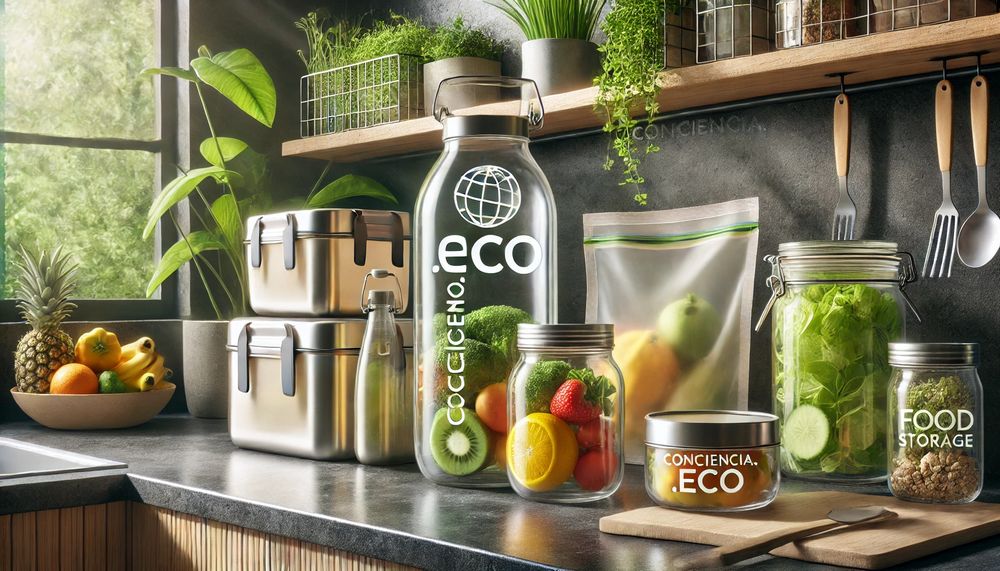
Forget single-use plastic containers and opt for glass jars, stainless steel containers, or durable storage. These are safer for your health and the environment. Plus, they will help you keep your food fresh longer, reducing waste.
10. Experiment with Vegetarian and Vegan Recipes
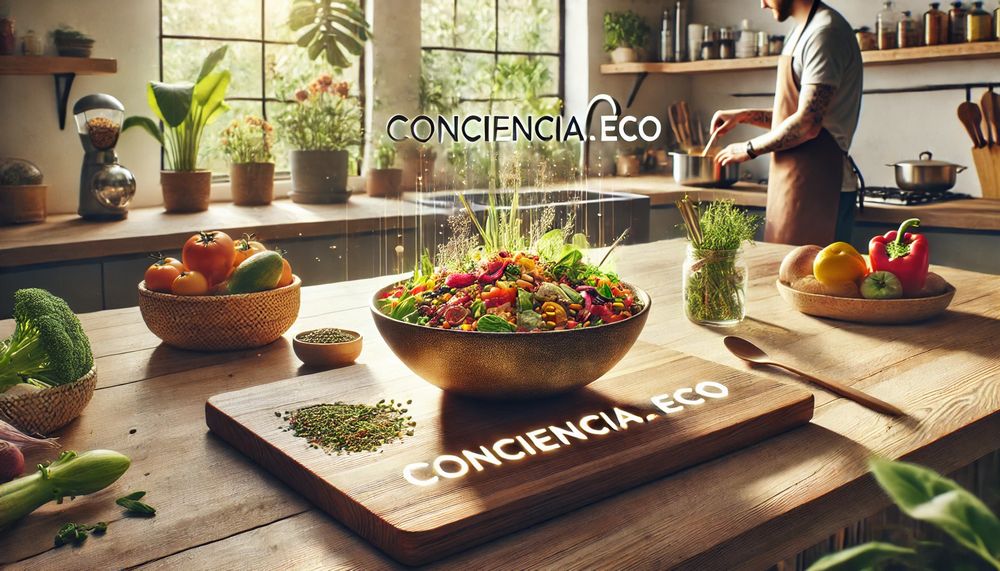
Incorporating more plant-based dishes into your diet is not only beneficial for your health but also helps to reduce the carbon footprint of your food consumption. The production of plant-based foods requires fewer resources than animal products, making this practice an excellent way to care for the planet.
How to Optimize Resource Use in Your Preparations
Cooking efficiently not only reduces your environmental impact but also improves household finances. Implementing small actions in your daily routine can make a big difference. Here are some ideas to optimize resource use in the kitchen:
- Use lids when cooking: They speed up the cooking process and reduce energy consumption.
- Take advantage of residual heat: Turn off the stove or oven a few minutes before finishing, using the remaining heat to complete the cooking.
- Cut food into small pieces: This reduces cooking time and energy consumption.
- Wash food in a container: This way you save water and can reuse it for other tasks.
Impact of Sustainable Practices in the Kitchen
| Sustainable Practice | Environmental Benefit | Tangible Impact |
|---|---|---|
| Planning your meals | Reducing food waste | It is estimated that an average household can save up to 50 kg of food annually. |
| Buy local products | Lower carbon footprint from transportation | Transportation-related emissions can be reduced by up to 10%. |
| Composting organic waste | Less waste in landfills | Each household can transform up to 30% of its waste into useful compost. |
| Using reusable utensils | Reduction of plastic waste | Avoids the use of approximately 1,000 single-use plastics per year. |
| Cooking with efficient energy | Lower energy consumption | You can save up to 20% energy in each preparation. |
Environmental Benefits of Cooking Sustainably
Cooking consciously has a positive impact both on the planet and on your lifestyle. Here we share some of the most notable benefits:
- Waste reduction: You prevent tons of waste from ending up in landfills.
- Lower resource consumption: By optimizing the use of water, energy, and food, you contribute to the preservation of natural resources.
- Reduction of carbon footprint: Choosing local foods and efficient cooking methods lowers greenhouse gas emissions.
- Biodiversity Protection: Reducing the use of plastics and disposable products helps preserve ecosystems.
Caring for the planet from your kitchen is easier than it seems. Every small step counts, and by taking them, you’ll be making a positive impact on the environment. We invite you to put these ideas into practice and share them with your friends and family so that together we can build a more sustainable world. Start today!