Organizing a picnic is one of the most fun and relaxing activities, but it can also have a negative impact on the environment if the necessary precautions are not taken. With these 10 ideas, you will discover how to enjoy a picnic while caring for the planet. Small actions can make a big difference!
1. Use Reusable Containers Instead of Disposable Ones
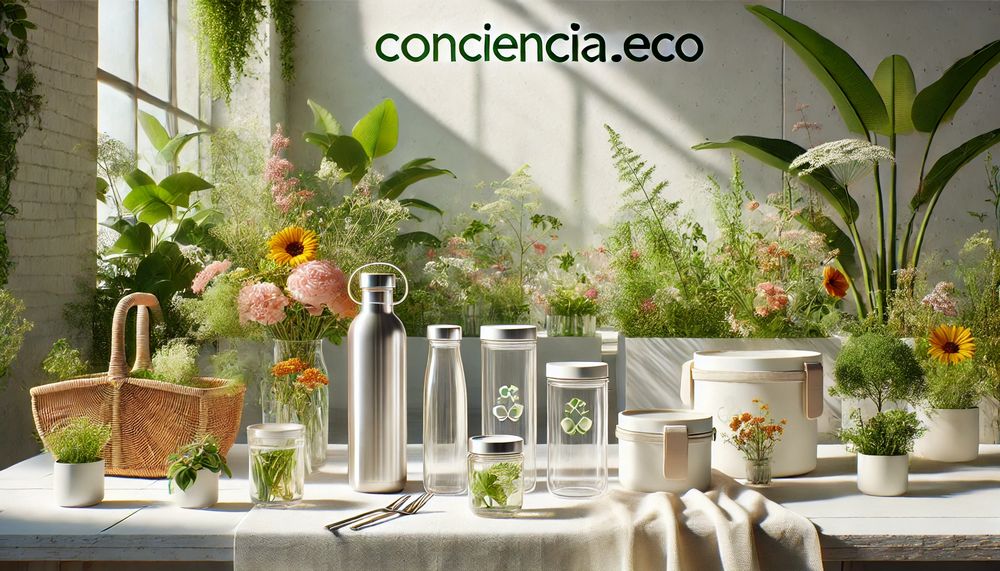
Reusable containers are an excellent way to reduce waste at your picnic. Choose glass, stainless steel, or reusable plastic containers instead of disposable ones. This not only helps the planet but also keeps your food fresh and protected. By doing this, you are preventing tons of trash from ending up in landfills or, even worse, in nature.
2. Bring Cutlery and Cloth Napkins
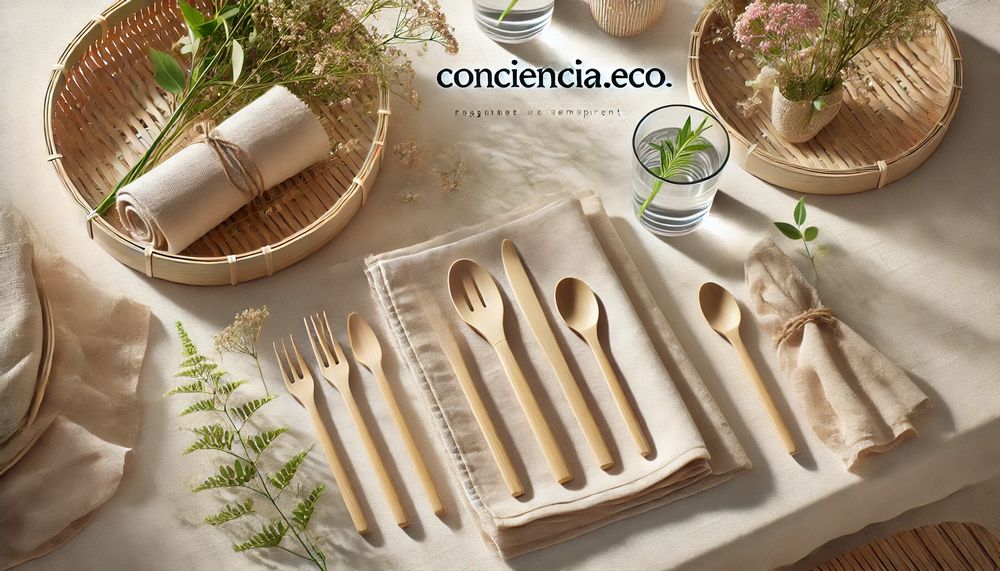
Replacing plastic cutlery with reusable options and bringing cloth napkins instead of paper ones is a small but powerful change. Cloth napkins are more elegant, durable, and easy to wash, while reusable cutlery eliminates the need for single-use plastics. A simple gesture that benefits the environment!
3. Choose Local and Seasonal Foods

Buying locally produced seasonal foods not only reduces the carbon footprint of your picnic, but also supports local farmers. Local produce is usually fresher and has an unmatched flavor. Additionally, avoiding processed or imported foods is an effective way to minimize environmental impact.
4. Avoid Single-Use Plastics
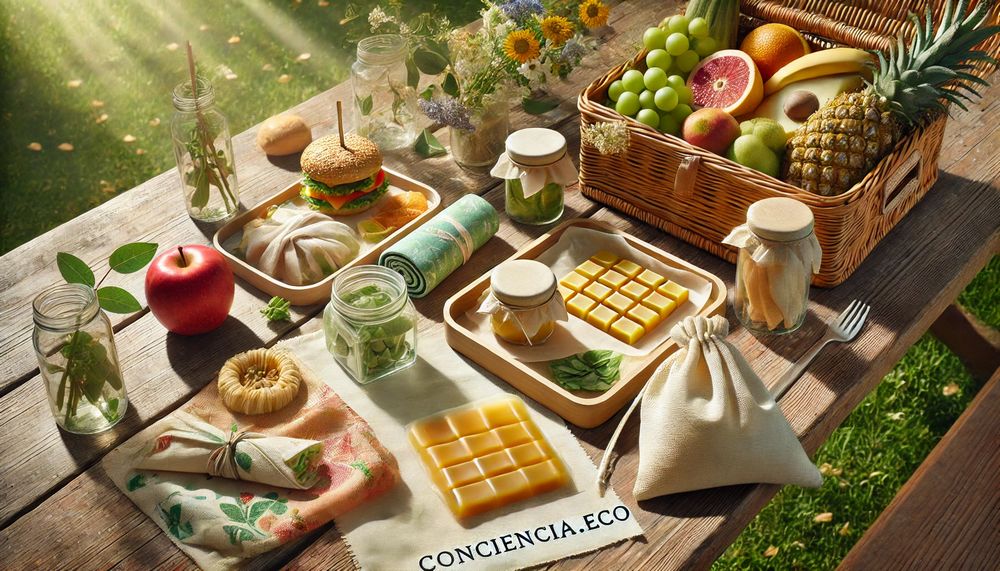
Single-use plastics, such as wrappers and bags, represent one of the greatest challenges to the environment. Replace them with reusable beeswax wraps or cloth bags. These materials are planet-friendly and also very practical. Small changes like this can make a big difference in the health of the Earth!
5. Choose Refillable Bottles and Thermoses
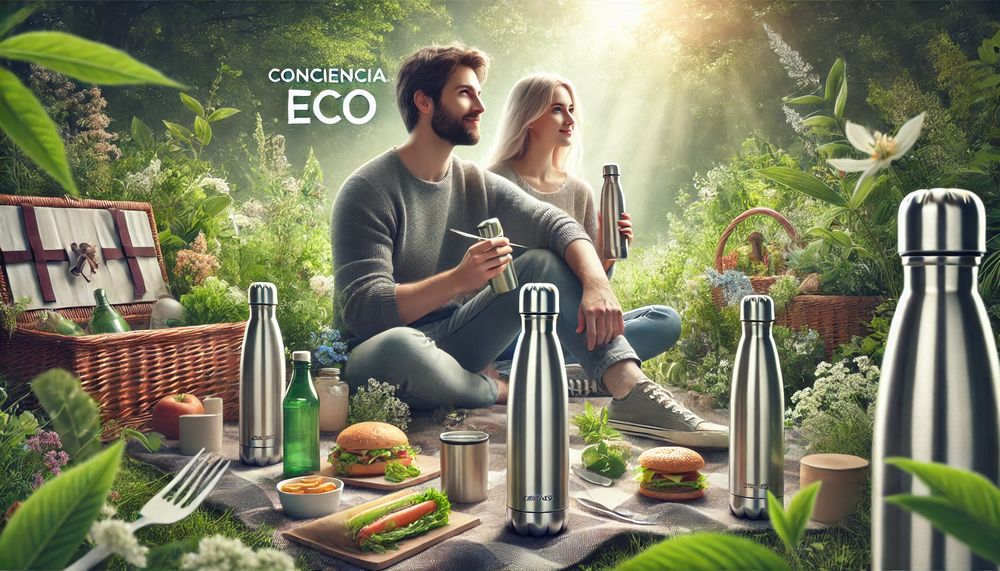
Carrying water and other beverages in reusable bottles or thermoses is a simple way to avoid buying plastic bottles. Thermoses keep your drinks at the ideal temperature, whether cold or hot. Additionally, they help you save money and reduce the amount of plastic that ends up polluting oceans and ecosystems.
6. Organize Activities that Respect Nature
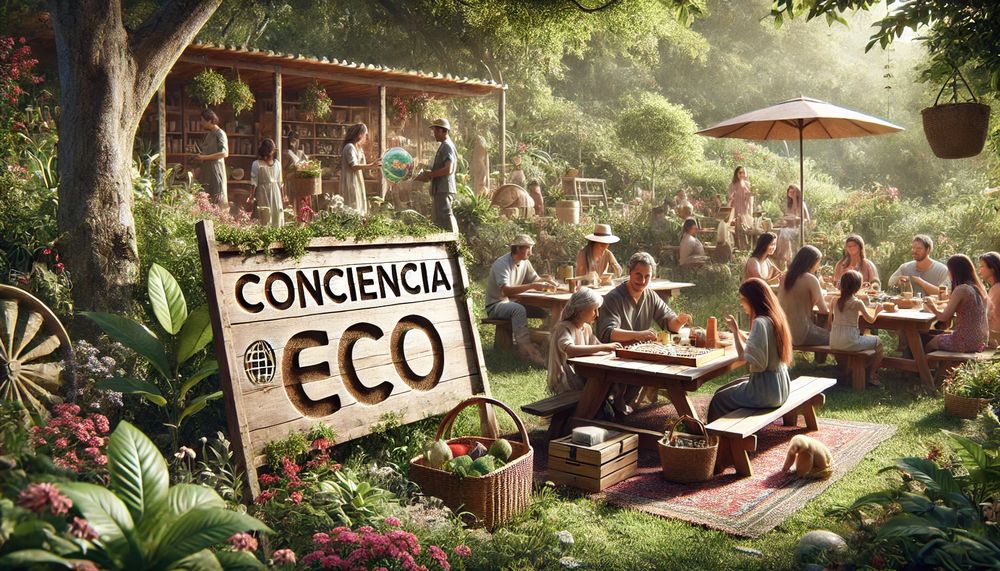
Plan games and activities that leave no trace on the environment, such as hiking, board games, or reading. Avoid those that might damage the lawn, plants, or cause excessive noise. By respecting the natural space, you help preserve its beauty and keep it intact for future visitors.
7. Separate and Collect All Waste
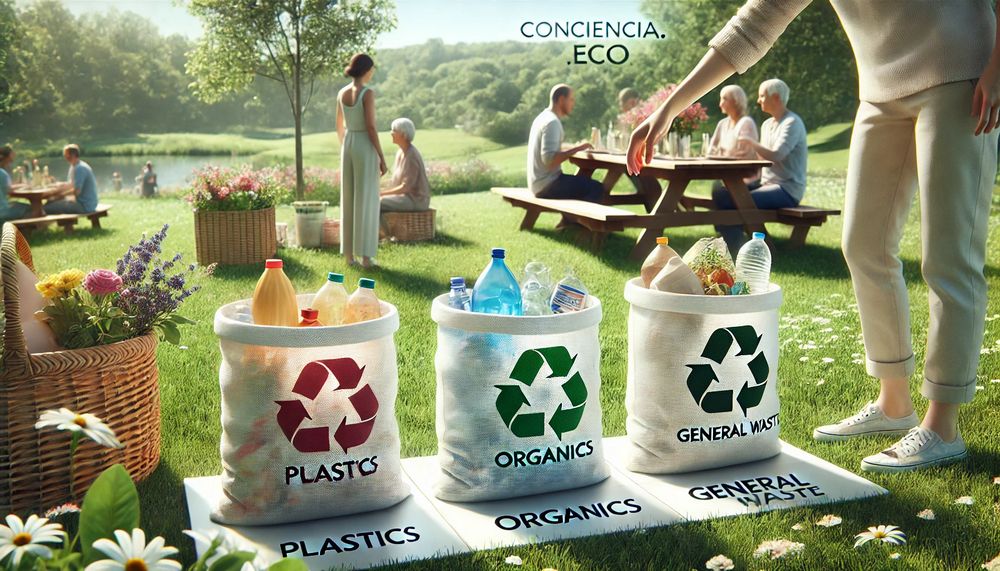
Don’t forget to bring separate bags for recycling and trash collection. Make sure to properly sort the waste: plastics, organic materials, and other items. If you see trash left by others, pick it up as well. With this simple gesture, you help keep natural spaces clean for everyone.
8. Look for Picnic Spots with Recycling Facilities
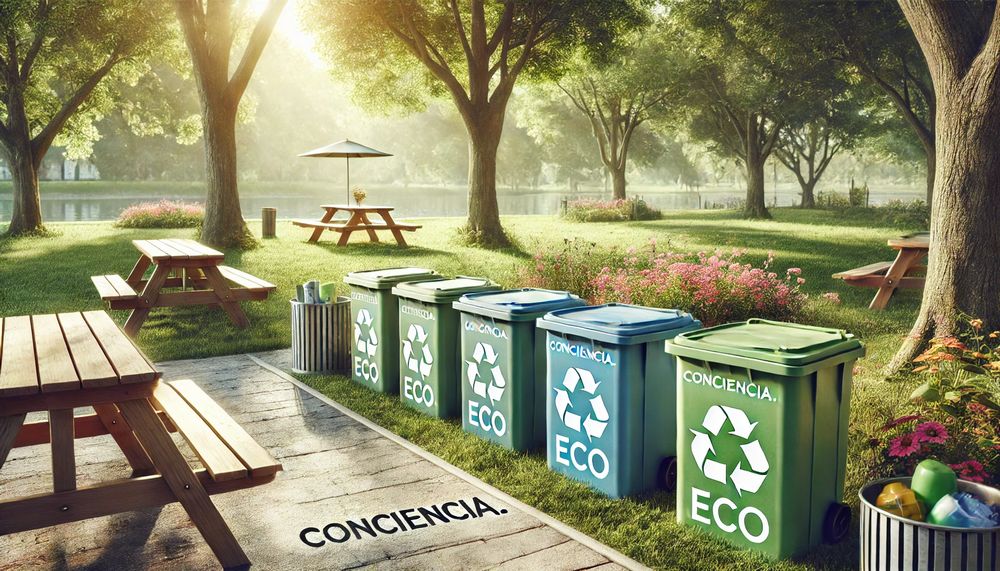
Choose parks or picnic areas that have recycling stations. This makes proper waste management easier and ensures that materials are recycled correctly. If there are no facilities available, set up your own collection system to take the trash to the appropriate location.
9. Wear Sunscreen and Eco-Friendly Products
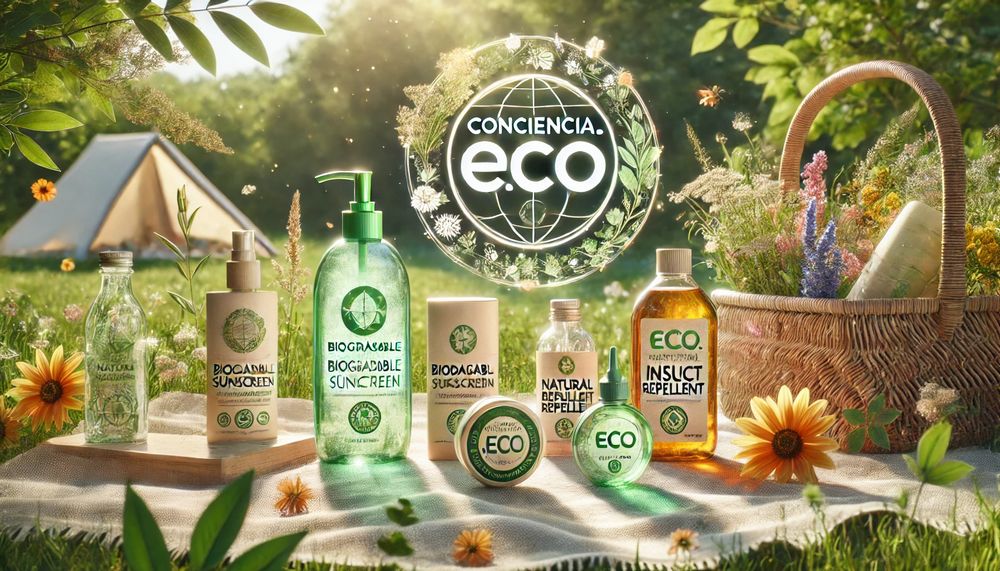
Opt for biodegradable sunscreen and eco-friendly insect repellents to protect yourself without harming ecosystems. Some traditional products contain chemicals that can be harmful to water and local wildlife. Look for certified options free of harmful ingredients.
10. Leave the Place Cleaner Than You Found It
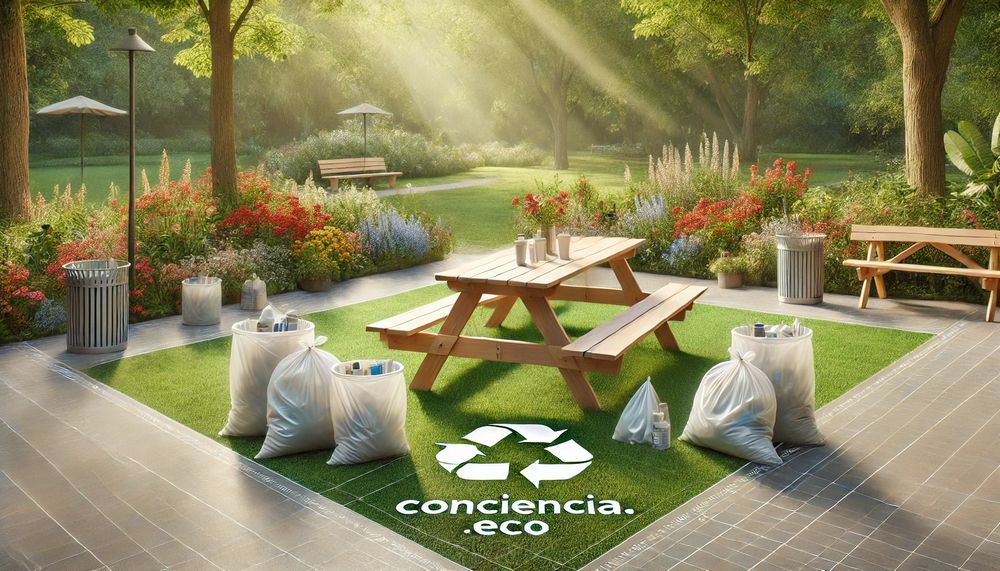
Before you leave, do one final check of the area to ensure you don’t leave any trash or food scraps behind. In fact, pick up any litter you find, even if it’s not yours. This small effort helps preserve the space so others can enjoy it too. The planet will thank you!
The Importance of Choosing Reusable Materials
Choosing reusable materials for your picnics is an effective way to reduce environmental impact. By using containers, utensils, and bottles that you can reuse, you help decrease the amount of waste that ends up in landfills. Additionally, reusable materials are more durable, practical, and cost-effective in the long run. Adopting this habit is a significant step toward a more sustainable lifestyle.
Environmental Impact of Your Picnic Choices
| Decision | Negative Impact | Eco-friendly Alternative |
|---|---|---|
| Use of Single-Use Plastics | They take up to 500 years to decompose and pollute oceans. | Choose reusable or biodegradable containers and utensils. |
| Not Separating Waste | Increases the amount of trash in landfills and hinders recycling. | Sort waste and use recycling bins. |
| Buying Processed and Packaged Foods | Generates more plastic waste and has a higher carbon footprint. | Choose fresh, local, and seasonal products. |
| Leaving Trash in Natural Areas | It harms local flora and fauna and pollutes the soil and water. | Pick up all trash and leave the place cleaner than you found it. |
How to Properly Separate and Recycle Your Picnic Waste
Proper recycling is essential to minimize the environmental impact of your picnics. Here is a simple guide to sorting your waste:
- Plastics: Bottles, wrappers, and other containers should go in the yellow bin or its equivalent.
- Organics: Food scraps, peels, and other biodegradable waste should be separated for composting or the organic waste bin.
- Glass: Bottles and jars should be placed in the glass container.
- Paper and cardboard: Clean napkins and boxes go into the blue container. If they are stained with food, they should be discarded as organic waste.
- Others: Batteries or non-recyclable products should be taken to designated collection points.
By following this process, you help ensure materials are reused in new products, preventing pollution of natural spaces.
Biodegradable Products: A Responsible Alternative
Biodegradable products, such as compostable plates, cutlery, or bags, are an ideal option for reducing pollution. These materials break down quickly without leaving toxic residues in the environment. Although their use does not replace the importance of reducing and reusing, they are a responsible alternative when you cannot avoid generating waste.
Remember that every decision counts. By incorporating biodegradable products into your picnic, you are taking a step toward a more sustainable future. Take the initiative to be part of the change and inspire others with your mindful actions!