Did you know that your daily bath time can become an opportunity to care for the environment? With a few small adjustments to your routine, you can help save water and energy while reducing your environmental impact. Here are 10 practical and easy-to-implement ideas to help you make your bath a more sustainable act.
1. Adjust the Water Temperature to Reduce Energy Consumption
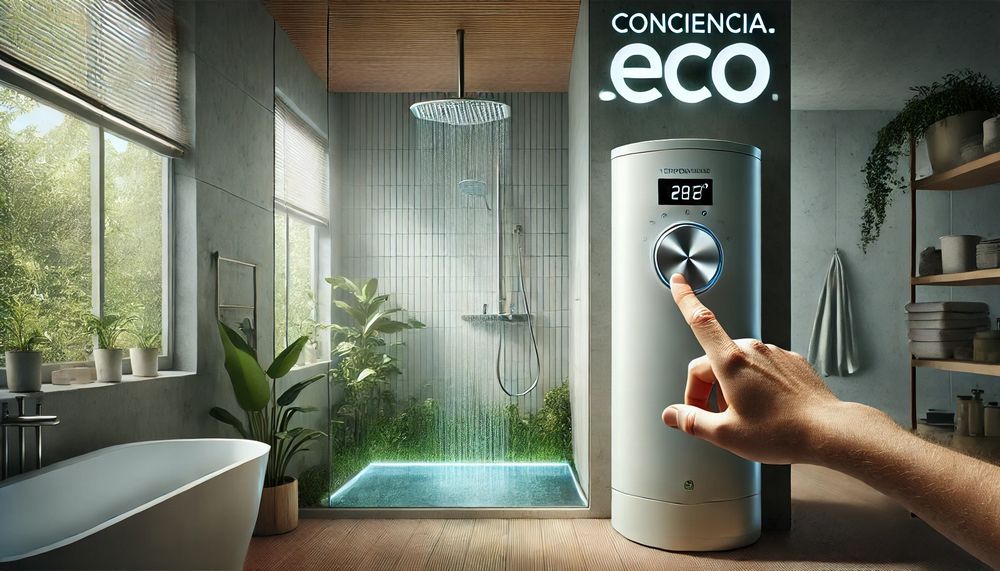
Choose a moderate water temperature instead of excessively hot water. This not only helps reduce your water heater’s energy consumption but is also better for your skin. A warm bath is more efficient and eco-friendly, while promoting greater awareness of energy use in your home.
2. Use an Hourglass to Measure Shower Time
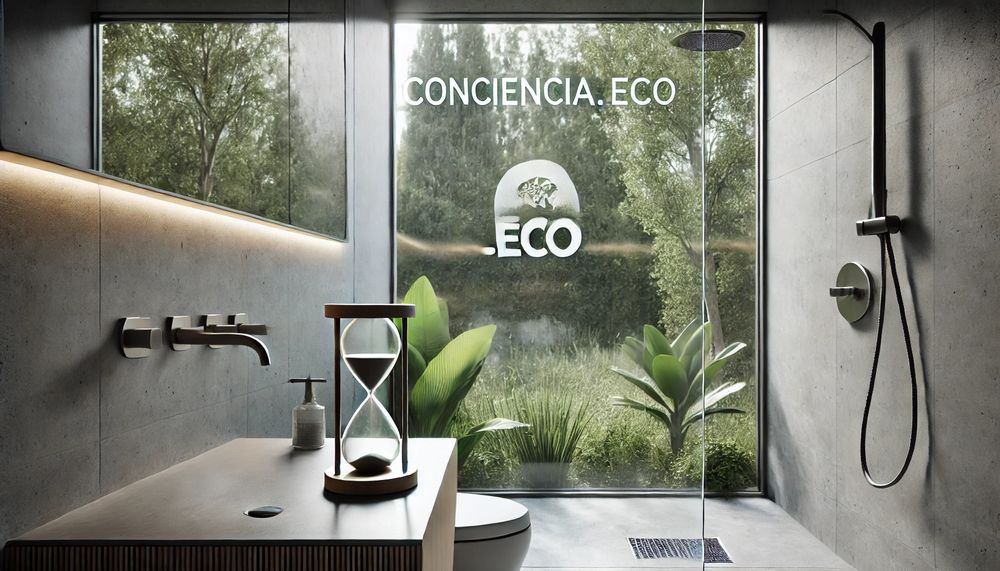
Limiting your shower time is a simple way to save water. Use an hourglass or timer to keep your showers between 3 and 5 minutes. A shorter shower can save up to 60 liters of water per day, making a big difference over time.
3. Install a Low-Flow Showerhead
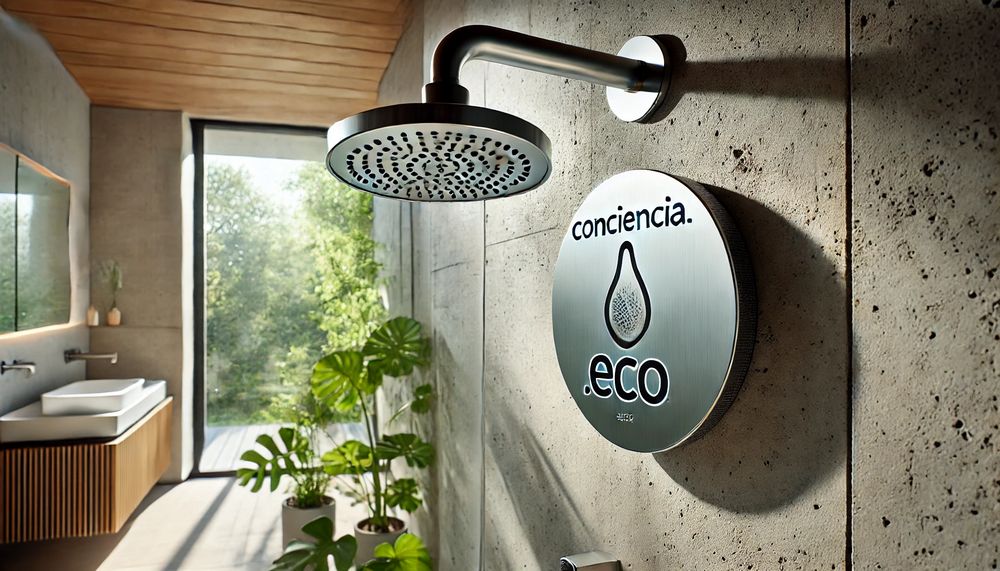
A low-flow showerhead can reduce water consumption without sacrificing pressure. These devices are easy to install and can decrease water usage by up to 50%. It is a small investment that generates great benefits for the planet and your wallet.
4. Reuse the Cold Water That Comes Out Before It Heats Up
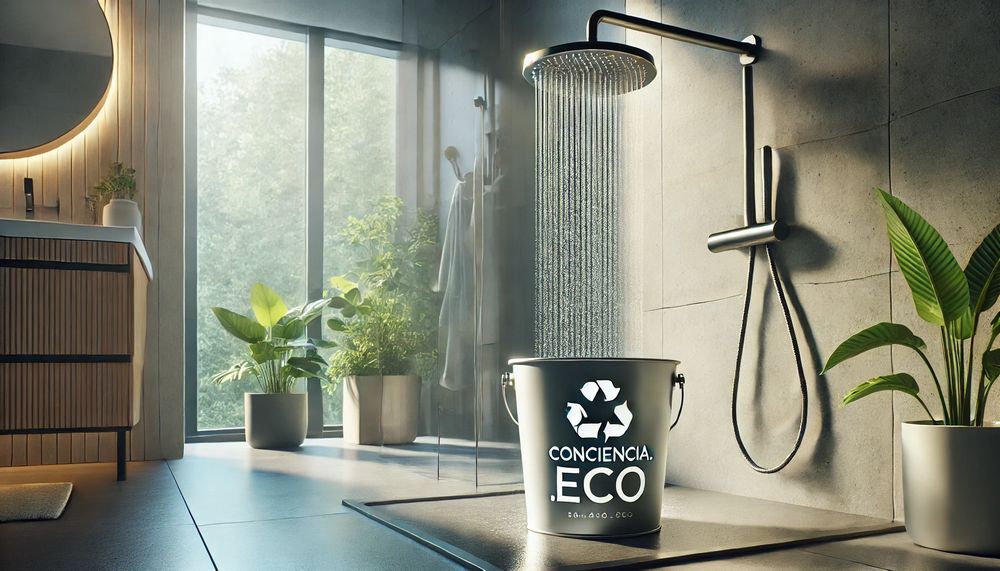
While you wait for the water to reach the desired temperature, place a container to collect the cold water. This water can be reused for watering plants, cleaning floors, or even washing clothes. Every drop counts, and this simple habit can make a significant difference.
5. Switch Liquid Soaps for Sustainable Bar Soap Options
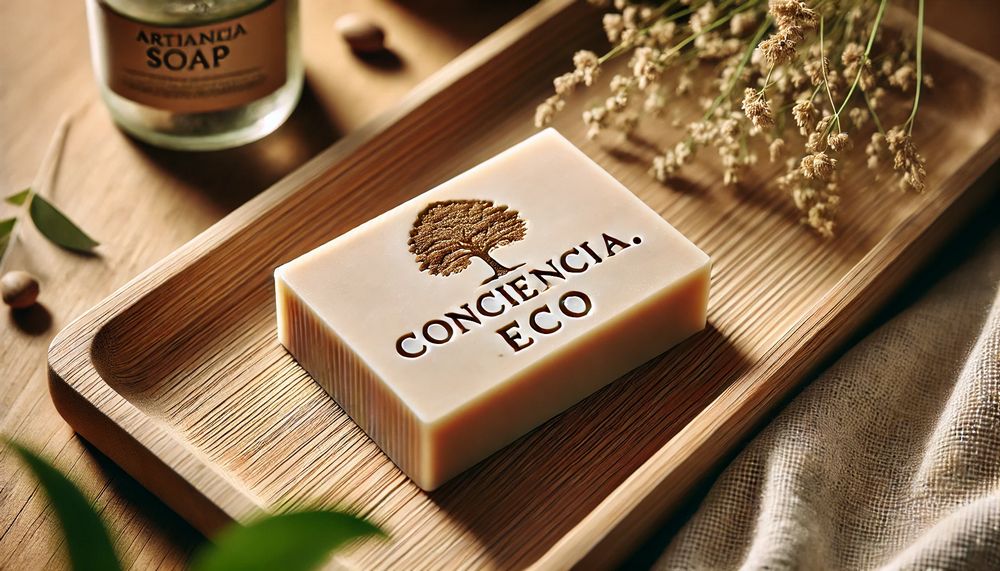
Opt for bar soaps instead of liquid soaps, which often come in plastic containers. Look for handcrafted and biodegradable options that are eco-friendly. Bar soaps generate less waste and have a lower environmental impact in their production and disposal.
6. Choose Solid Shampoos and Conditioners
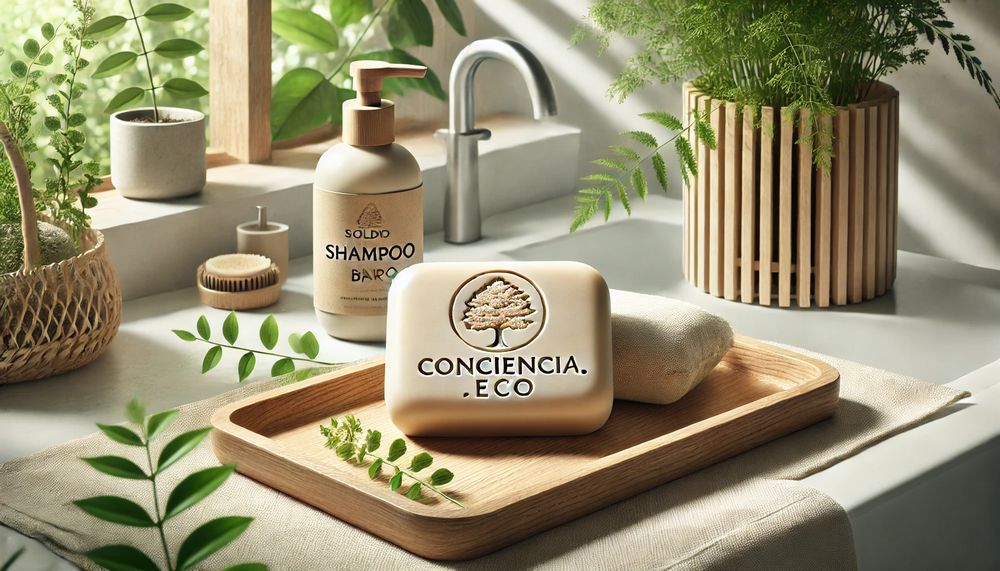
Solid shampoo and conditioner bars are an excellent alternative to traditional products in plastic bottles. In addition to reducing waste, they are often made with natural ingredients and free from harmful chemicals. A solid shampoo bar can last as long as two or three bottles of liquid shampoo, saving both money and space!
7. Turn Off the Faucet While You Lather Up

Leaving the tap running while you lather or wash your hair is an unnecessary waste of water. Learn to turn off the tap during those moments. This simple change can save several liters of water with every shower, especially in large families.
8. Collect Shower Water to Water Plants
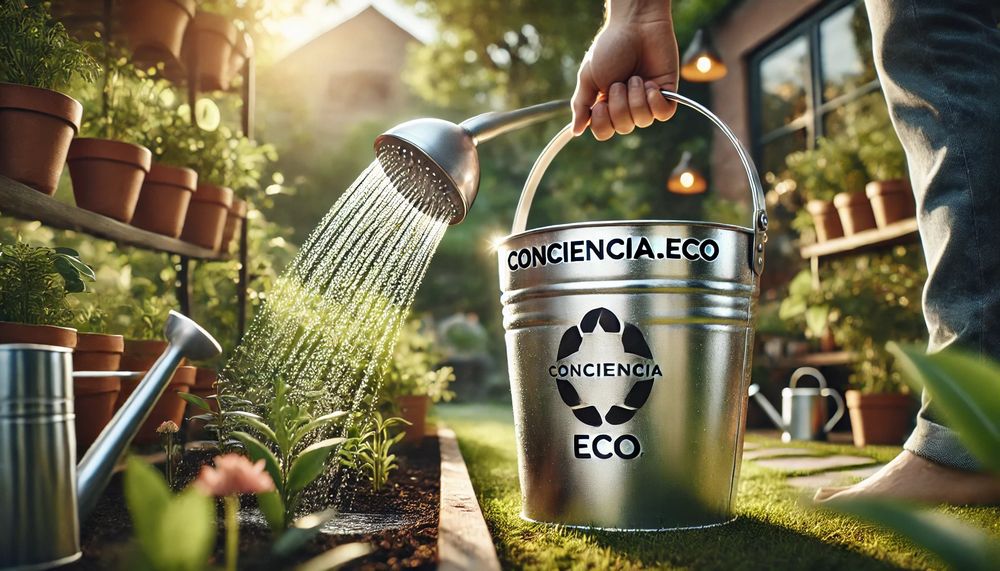
If you have plants at home, use a bucket to collect the water that falls while you shower. This water, as long as it doesn’t contain strong chemicals, can be ideal for watering your plants. It’s a practical way to reuse a valuable resource that would normally be wasted.
9. Avoid Products with Microplastics
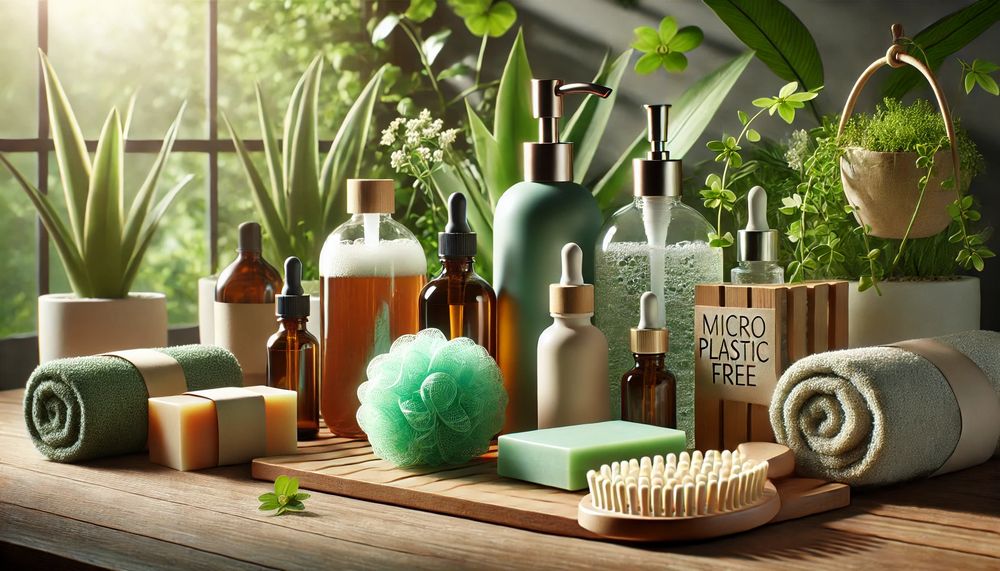
Some personal care products contain microplastics that end up in rivers and oceans. Read labels and choose alternatives without these harmful components. Microplastics are a threat to marine life and our health, making it essential to choose sustainable products.
10. Use Eco-Friendly Shower Curtains Made from Recyclable Materials
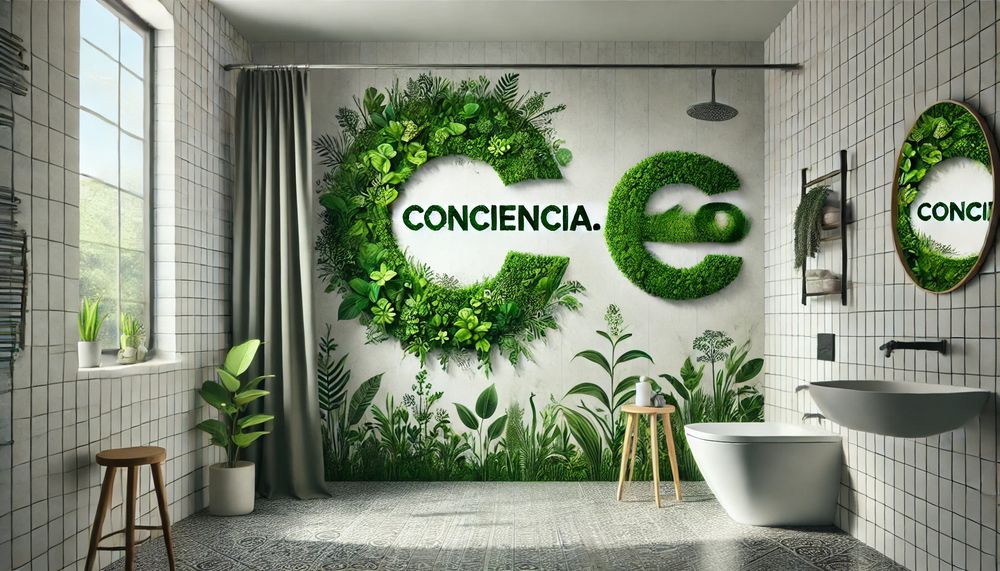
If you need to replace your shower curtain, look for options made from recyclable or biodegradable materials. Traditional plastic curtains often contain harmful chemicals and are difficult to recycle. An eco-friendly curtain is not only functional but also helps reduce environmental impact in your home.
How to Recycle Plastic from Bathroom Product Containers
Recycling plastic from shampoo, soap, and other bath product containers is a simple and beneficial action for the planet. The most important thing is to rinse the containers thoroughly and check the recycling symbols on the packaging. Follow these steps to ensure the process is effective:
- Rinse containers to remove product residues before recycling them.
- Remove the caps or dispensers, as they may be made of different materials.
- Identify the type of plastic by the number in the recycling symbol.
- Take the containers to local recycling points or deposit them in the appropriate bins.
- Choose brands that offer recycling programs or reusable packaging.
Impact of Water and Energy Consumption in the Bathroom
| Appearance | Relevant Fact | Recommended Action |
|---|---|---|
| Average water consumption in a shower | A 10-minute shower uses up to 200 liters of water | Reducing your shower to 5 minutes can save up to 100 liters a day |
| Water Heater Energy Use | The water heater accounts for up to 25% of household energy consumption | Choosing lukewarm water and shorter showers reduces energy use |
| Environmental Impact of Products Containing Microplastics | Up to 12 Million Tons of Plastic Enter the Oceans Every Year | Choose Biodegradable and Microplastic-Free Products |
| Savings with low-flow showerheads | They can reduce water use by up to 50% | Installing an efficient showerhead can save more than 10,000 liters per year |
Eco-friendly Options to Renovate Your Shower Space
Renovating your bathroom with eco-friendly options is not only good for the environment but can also add a fresh and modern touch to your space. Here are some ideas:
- Install faucets and showerheads with water efficiency certification.
- Use tiles made from recycled or low environmental impact materials.
- Place natural plants that help purify the air and decorate the space.
- Choose shower curtains made from organic cotton or linen.
- Incorporate rechargeable glass or stainless steel dispensers for bath products.
With these ideas, you can transform your bathroom into a more sustainable space aligned with your eco-friendly values.