Reusing common items like sponges is a simple way to contribute to environmental care. With a bit of creativity, sponges can be transformed into practical and eco-friendly solutions for the home. Here we present 10 original and easy-to-make ideas to give your sponges a second life and reduce your environmental impact.
1. Decorative Pillows Filled with Sponges

If you have old sponges, use them as filling for decorative cushions or pillows. This idea is perfect for craft projects and also gives a practical use to the sponges instead of throwing them away. Just make sure to clean them well before using. With this solution, you can save money and reduce waste at home.
2. Homemade Cleaners for Windows and Blinds
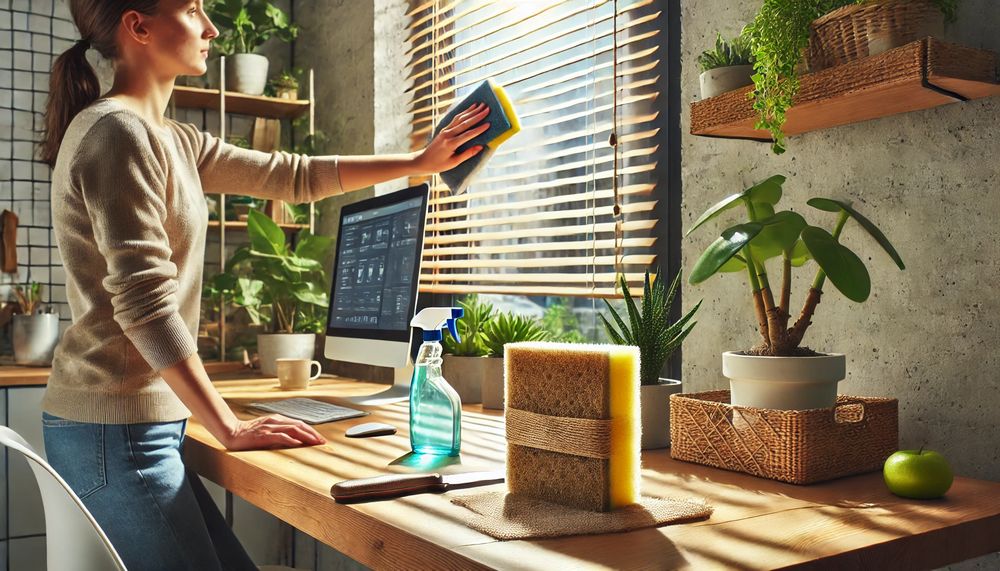
Cut the sponges into strips or shapes that fit the size of your windows or blinds. These pieces will be ideal for removing dust and dirt from hard-to-reach areas. With this technique, you will have reusable and economical cleaners that will help you keep your home clean while reducing the use of disposable products.
3. Supports for Plant Seedlings
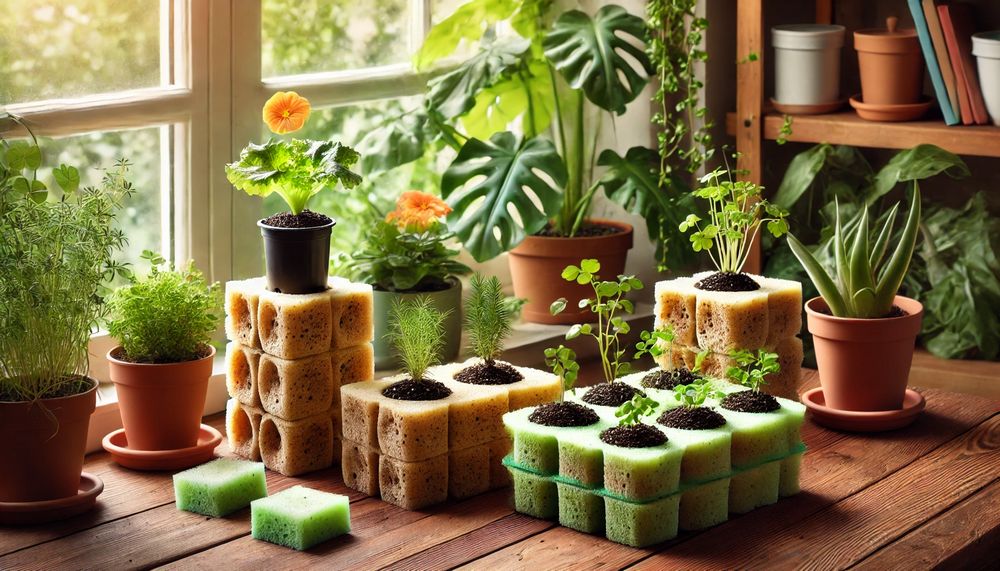
Sponges are excellent for retaining moisture in the roots of young plants. Cut a piece and place it at the base of a pot or in a small container. It’s an eco-friendly and effective way to give your plants a strong start. Additionally, you promote healthy growth without spending on new materials.
4. DIY Paint Rollers for Textured Painting
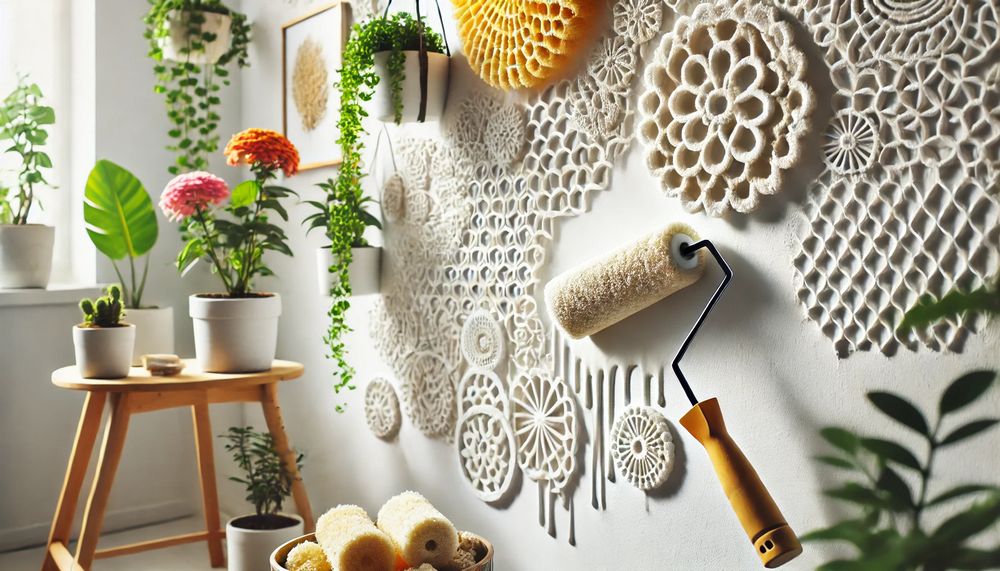
Transform your sponges into unique paint rollers. Roll them up and attach them to a small tube or stick to create perfect tools for decorative painting projects. This technique is ideal for adding interesting textures to walls, furniture, or crafts, reducing costs and reusing materials.
5. Pin and Sewing Needle Pads
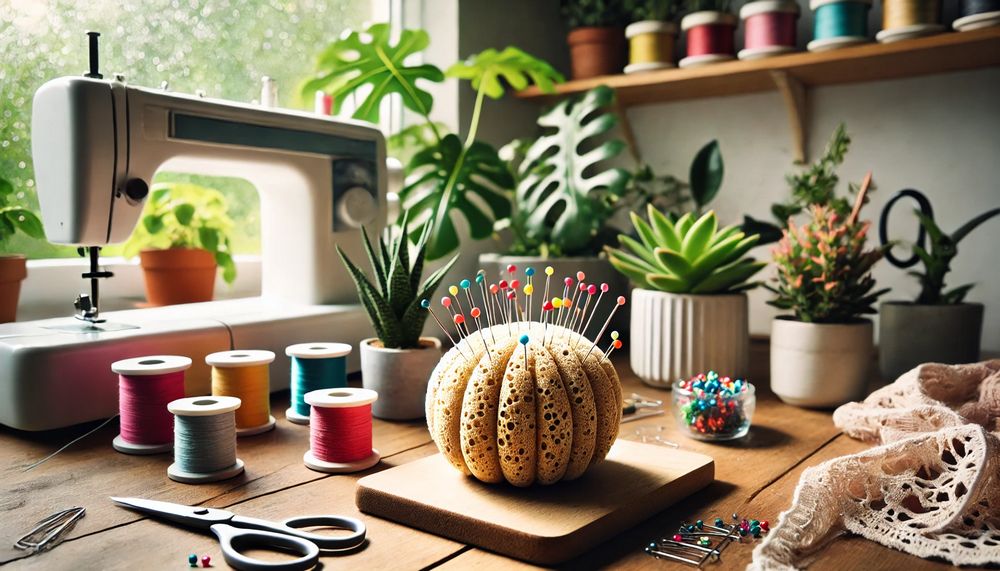
Turn an old sponge into a practical holder for your sewing tools. Simply cut it to the desired size and place it in a box or use it directly. This solution allows you to organize pins and needles safely and sustainably, perfect for those who enjoy DIY projects.
6. Floating Bath Toys for Children

Turn sponges into fun bath toys by cutting them into creative shapes like animals, stars, or hearts. You can decorate them with non-toxic paints or waterproof markers. These floating figures will make bath time more enjoyable while also reusing a common material.
7. Protectors for Sharp Furniture Corners
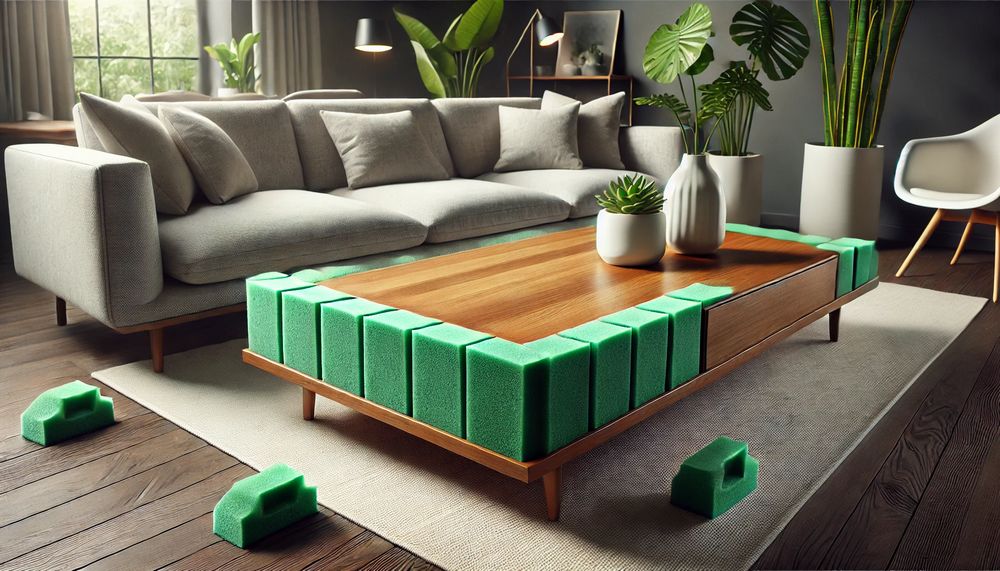
Cut the sponges at appropriate angles and place them on the sharp corners of tables, chairs, or desks. They are a practical solution to protect children and pets from accidents at home. Additionally, these protectors are affordable, easy to replace, and environmentally friendly.
8. Keyboard Cleaning Pads
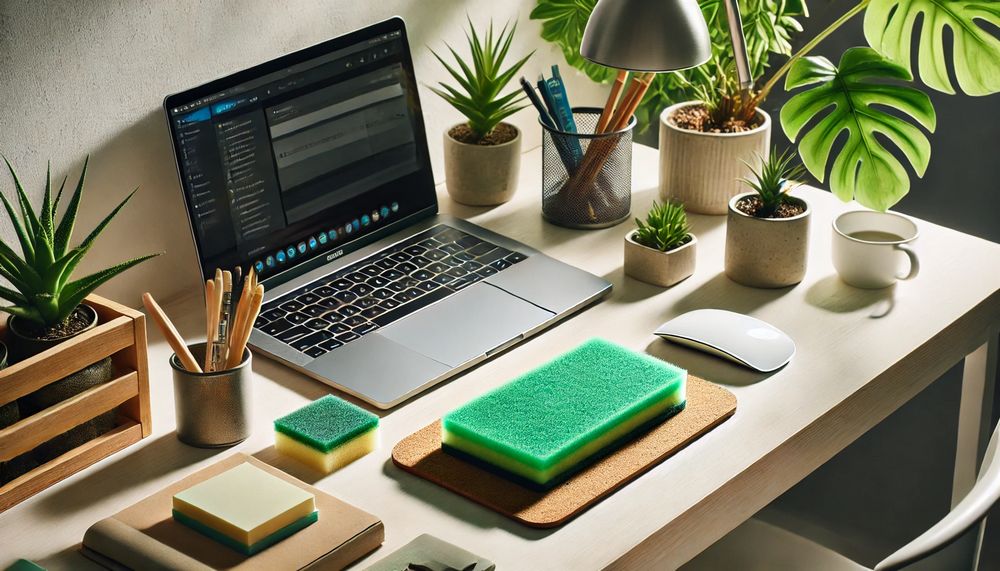
Sponges can also be useful for cleaning keyboards and electronic devices. Cut small pieces and use the edges to reach the gaps between the keys. These reusable pads remove dust and dirt without damaging your devices, extending their lifespan.
9. Sponges for Washing Cars Without Scratching the Paint
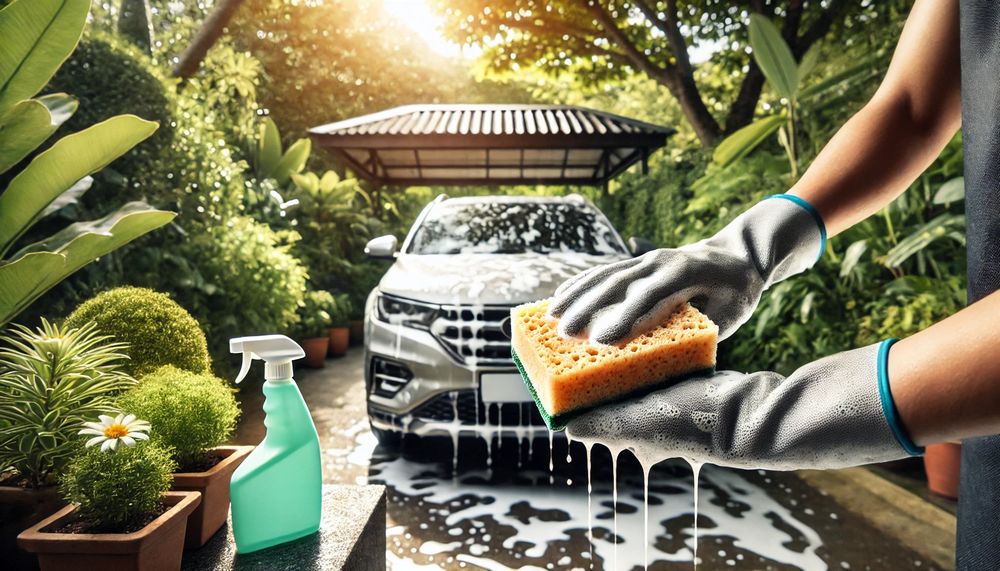
Wash your car in an eco-friendly way by reusing old sponges. Their soft texture is ideal for removing dirt without scratching the paint. Pair them with a biodegradable detergent, and you’ll have a sustainable and efficient solution to keep your vehicle clean while reducing waste.
10. Building Blocks for Children’s Playgrounds
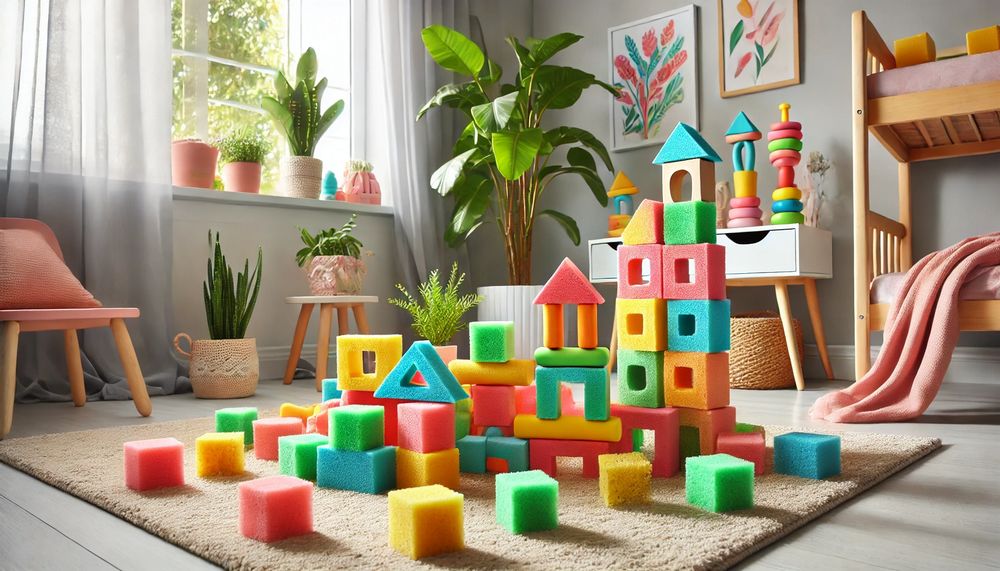
Cut the sponges into blocks of different shapes and sizes to create safe and lightweight toys. These blocks are perfect for children to build structures and develop their creativity without the risk of injury. Additionally, you will encourage the habit of reusing materials from an early age.
The Sponge Recycling Process: How Does It Work?
Recycling sponges depends on the type of material they are made from. Natural sponges can be composted, while synthetic ones require specific processes to reuse their polymers. Although recycling points for sponges are not always easy to find, some companies accept these products and transform them into new useful materials. Here’s how the process works:
- Collection: Sponges are gathered at specialized recycling centers or through specific company programs.
- Classification: They are separated according to their composition, whether natural or synthetic.
- Cleaning: Sponges undergo a disinfection process to remove residues or contaminants.
- Processing: Synthetic sponges are shredded and melted to create new products, while natural sponges decompose for composting.
- Reuse: The materials obtained are transformed into new items such as shoe soles, insulators, or fillers.
Environmental Benefits of Reusing Sponges at Home
Reusing sponges can make a significant difference in reducing waste and protecting the environment. Here are some of the main benefits:
- Less waste: You reduce the number of sponges discarded that end up in landfills.
- Resource saving: By giving them a second life, you avoid the production of new sponges.
- Emissions Reduction: Reusing lowers the carbon footprint linked to transportation and manufacturing.
- Fostering creativity: You find original ways to make the most of materials you already have at home.
- Eco-friendly habits: You adopt more sustainable habits that can inspire others to do the same.
Tips for Cleaning and Preparing Sponges Before Reusing Them
Before reusing your sponges, it is important to ensure they are clean and free of residue. Proper preparation not only enhances their functionality but also prevents the spread of bacteria. Follow these tips to ensure your sponges are safe and ready for reuse:
- Disinfect regularly: Soak them in hot water with vinegar or a water and bleach solution for 5 minutes.
- Dry completely: Make sure sponges are completely dry after cleaning to prevent mold growth.
- Check their condition: If they are too worn or damaged, cut the useful parts and reuse only what is still good.
- Clean them according to use: Use different cleaning methods depending on whether the sponges were in contact with food, chemicals, or just dust.
- Store properly: Keep reusable sponges in dry, clean places to extend their lifespan.
Conclusion
Reusing sponges is not only a creative way to reduce waste, but it also promotes more sustainable habits at home. With these 10 practical and easy ideas, you can transform a common item into useful solutions for your daily life while caring for the environment.
Start reusing your sponges today and share these ideas with your family and friends. Every small action counts in building a greener future. Make Recycling a Way of Life!