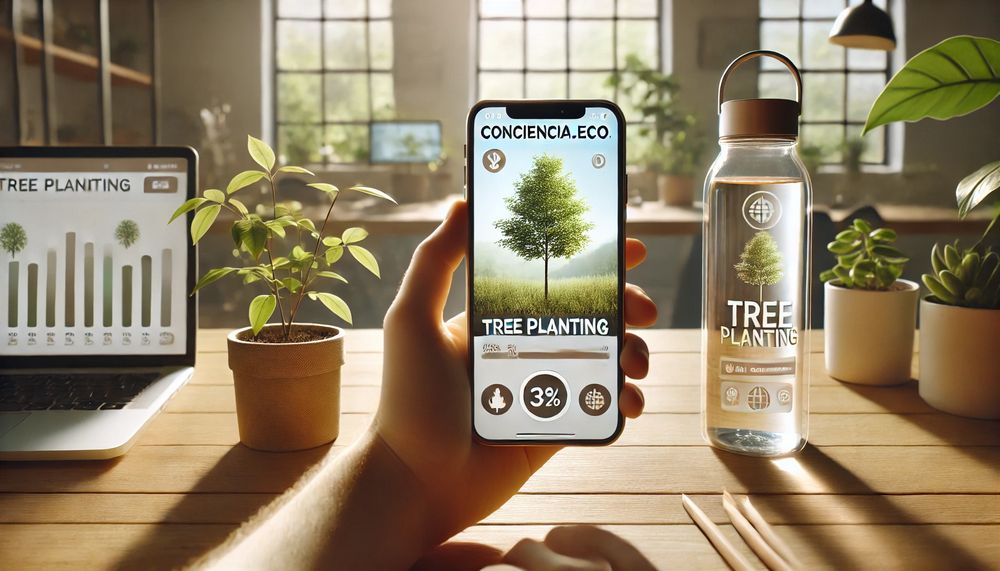
Did you know you can do a lot for the environment while carrying out your school activities? With small changes in your daily routine, you can help care for the planet. Here are 10 clever, practical, and simple ways you can implement at your school. Remember that even the smallest changes can make a big difference!
1. Use Backpacks and School Supplies Made from Sustainable Resources

Choose backpacks made from recycled or sustainable materials, such as organic cotton or recycled polyester. Also, opt for pencils, rulers, and other school supplies made from certified wood or recycled plastic. This not only reduces the environmental impact, but also promotes more responsible consumption.
2. Bring Your Own Reusable Bottle to Avoid Plastics
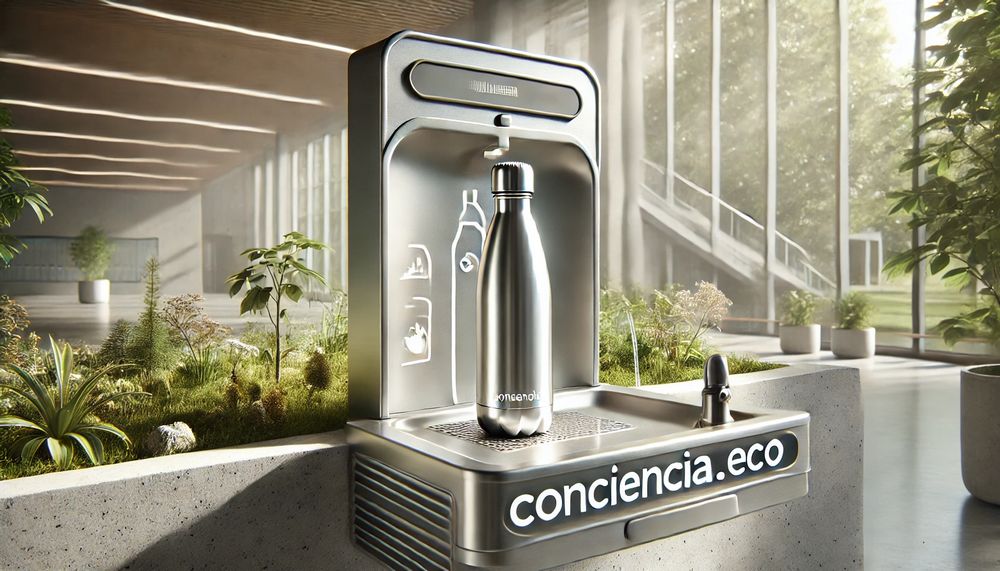
Replace single-use plastic bottles with a reusable stainless steel or glass bottle. This not only reduces the amount of plastic waste, but also helps you save money. Additionally, many schools have water refill stations that make this practice even easier.
3. Use Notebooks Made from Recycled or Sustainable Paper
Choose notebooks made from recycled paper or produced sustainably. These products are just as useful and of good quality as traditional ones, but with a lower environmental impact. You can also reuse unused pages from old notebooks to make the most of every sheet of paper.
4. Participate in Recycling Projects at Your School
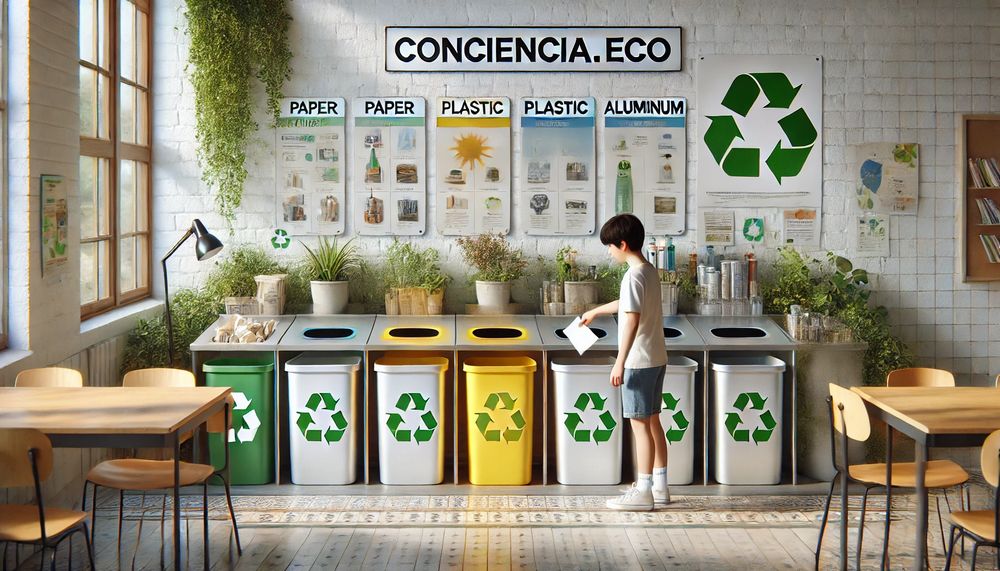
Get involved in recycling programs organized at your school or propose one if it doesn’t exist yet. You can help collect paper, plastic, aluminum, and other materials to give them a second life. This also helps raise awareness among your classmates about the importance of sorting and recycling waste.
5. Buy School Supplies from Local Producers to Promote the Circular Economy
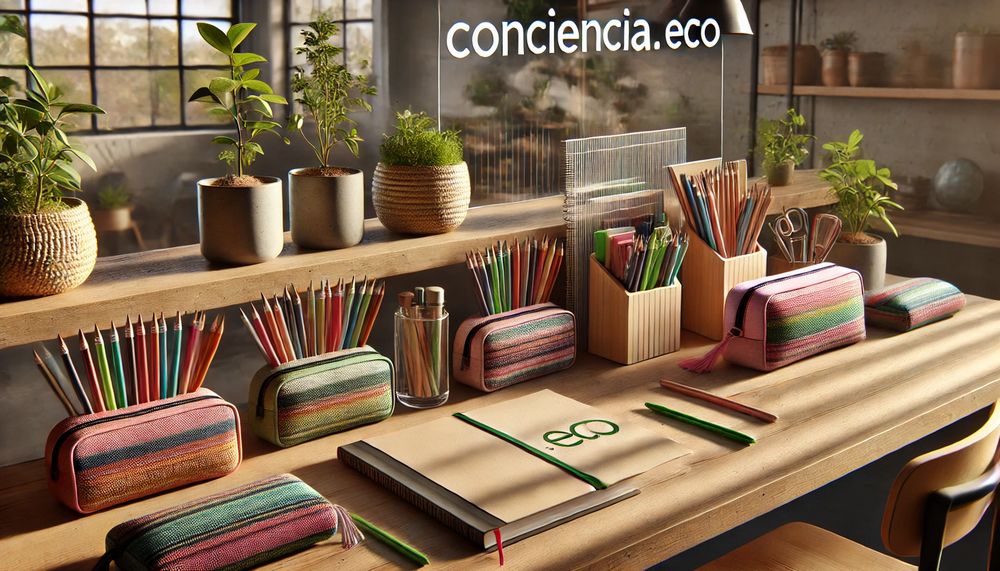
Support local communities by purchasing school supplies, backpacks, or decorations made by artisans from your region. This not only reduces the carbon footprint associated with transportation but also encourages the circular economy. Additionally, you will be promoting more ethical and sustainable consumption.
6. Share Transportation or Use Sustainable Mobility Options
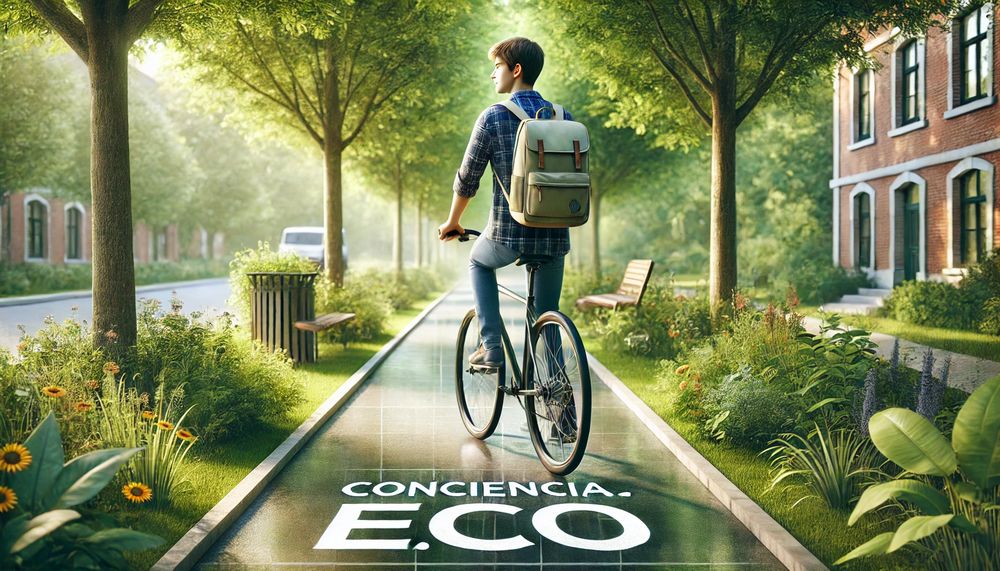
If you live near the school, consider walking or using a bicycle to get there. If the distance is greater, carpool with your classmates or use public transportation. These alternatives help reduce carbon emissions and promote a healthier lifestyle.
7. Turn Off Lights and Electronic Devices When Not in Use

Make sure to turn off lights, fans, computers, and other electronic devices when they are not needed. This small habit can save a significant amount of energy and reduce the school’s ecological footprint. Every little gesture counts!
8. Bring Your Lunch in Reusable Containers and Avoid Disposable Ones
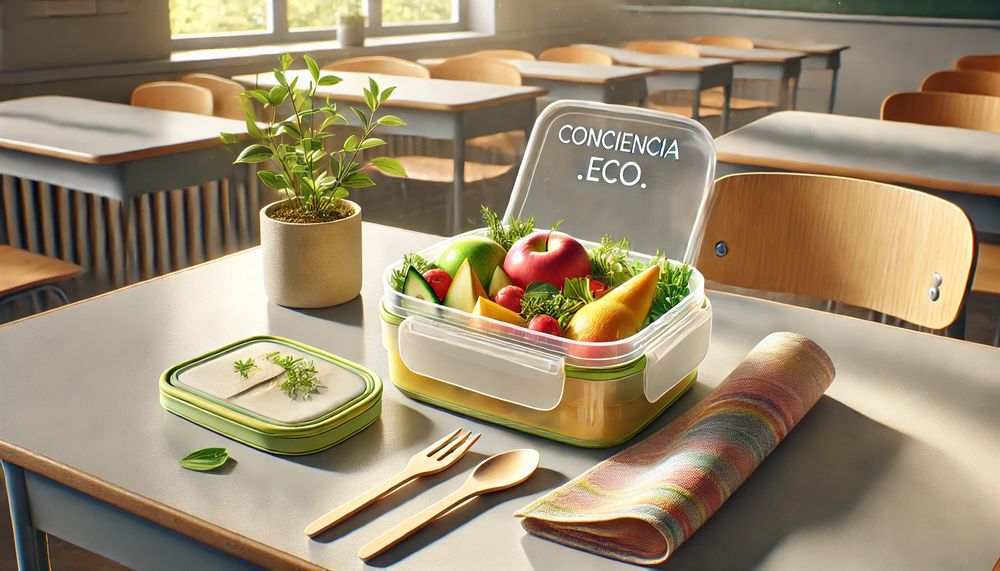
Pack your lunch in reusable containers and use cloth napkins instead of paper. Also, avoid plastic bags and disposable utensils. This simple change significantly reduces waste generation at school and promotes a more responsible lifestyle.
9. Create and Participate in School Campaigns to Promote Green Habits
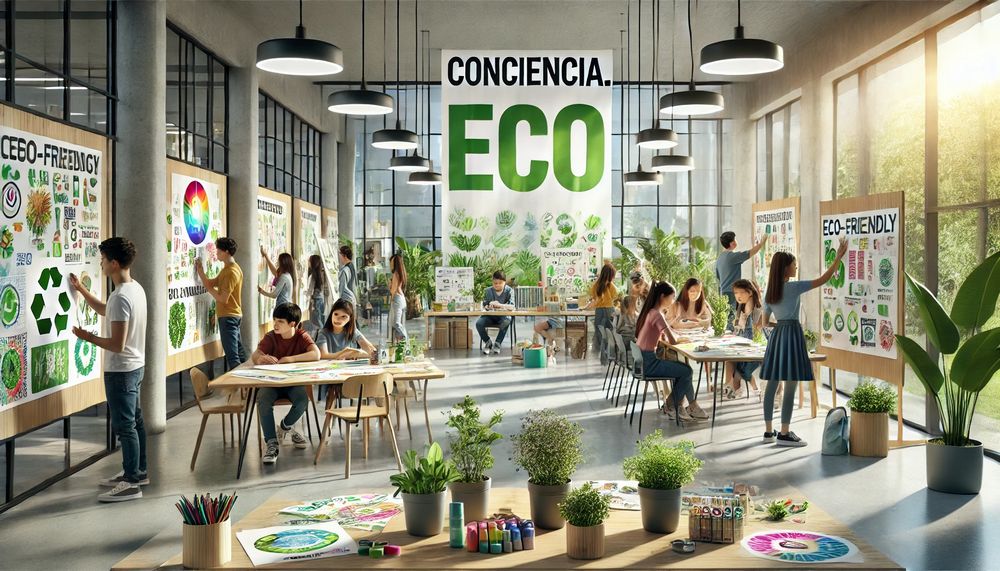
Organize or join campaigns that promote sustainable practices at school, such as waste reduction or efficient water use. These activities not only create a positive impact but also will inspire your peers to join in protecting the environment.
10. Plant a Tree or Participate in School Green Initiatives
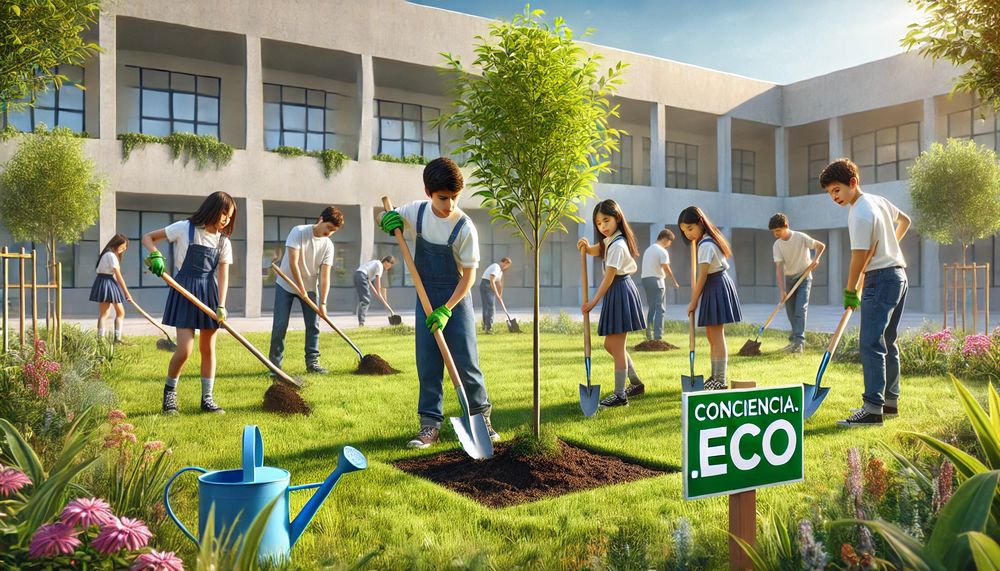
A tree can absorb tons of carbon dioxide during its lifetime. Participating in reforestation events or maintaining green areas within your school helps improve air quality and creates a more pleasant environment for everyone. Additionally, it is an excellent activity to connect with nature.
How to Create Your Own Recycling Station at School
Creating a recycling station at your school is easier than you think and can make a big difference. This space will allow all your classmates to actively participate in sorting and recycling materials. Here are the steps to make it happen:
- Identify a strategic location: Choose a visible and accessible spot, such as a main hallway or near the school entrance.
- Get containers: Use clearly labeled boxes or containers for different materials, such as paper, plastic, and aluminum.
- Involve your peers: Organize meetings or talks to explain how and why to recycle. Encourage them to participate actively.
- Set up a collection system: Establish a schedule to empty the containers and take the materials to local recycling centers.
- Make it fun: Create challenges or competitions to make recycling an engaging and entertaining activity.
Environmental Impact of School Activities: Learn and Take Action!
| Action | Positive Impact | Relevant Fact |
|---|---|---|
| Use Reusable Bottles | Reduce plastic waste at your school and nearby communities. | One reusable bottle can replace up to 167 plastic bottles per year. |
| Recycle Paper and Cardboard | Save energy and reduce deforestation. | Recycling one ton of paper saves 17 trees and 31,780 liters of water. |
| Planting Trees at School | You improve air quality and reduce carbon dioxide levels. | A young tree absorbs approximately 6 kg of CO2 per year. |
| Use Recycled Notebooks | You reduce the exploitation of natural resources. | Recycled paper uses 70% less energy than virgin paper. |
| Carpooling | Reduces the emission of pollutant gases. | A shared car can prevent up to 1.5 tons of CO2 per year. |
Benefits of Adopting Eco-friendly Habits in School Life
Implementing eco-friendly habits at school not only helps the planet but also brings a range of benefits that impact your life and the lives of others. Here are some:
- Waste Reduction: Less trash means a cleaner and more pleasant environment for everyone.
- Resource Saving: By reusing and recycling, you help conserve valuable raw materials like wood, water, and minerals.
- Development of values: You promote responsibility, solidarity, and respect for the environment among your peers.
- Improvement of air quality: Less waste and more trees planted contribute to cleaner air both inside and outside the school.
- Inspiration for others: Your actions can motivate others to join and create positive collective change.
Conclusion: Be the Change the Planet Needs
Caring for the environment doesn’t have to be complicated or boring. With small actions, like the ones we have suggested, you can make a big difference right from your school. We invite you to put these ideas into practice and inspire your friends and teachers with your enthusiasm for protecting our planet. The change starts with you!