While you sleep, you can adopt small habits that have a big impact on caring for the environment. From changes in your bedding to adjustments in energy usage, every action counts. These 10 ideas are not only easy to implement but also contribute to a more sustainable lifestyle. Discover how you can make a difference even while you rest!
1. Switch to Sustainable Sheets and Bedding
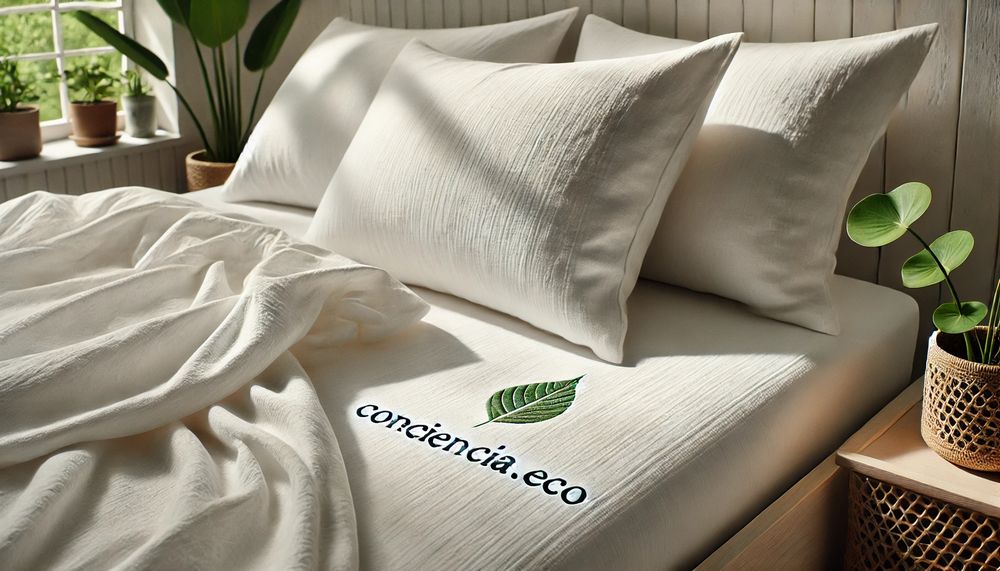
Opting for sheets and bedding made from materials like organic cotton or bamboo is not only better for the environment but also for your skin. These materials are grown without pesticides and require less water in their production. Additionally, they tend to be more durable, which reduces long-term consumption.
2. Use Pillows Made with Natural Materials
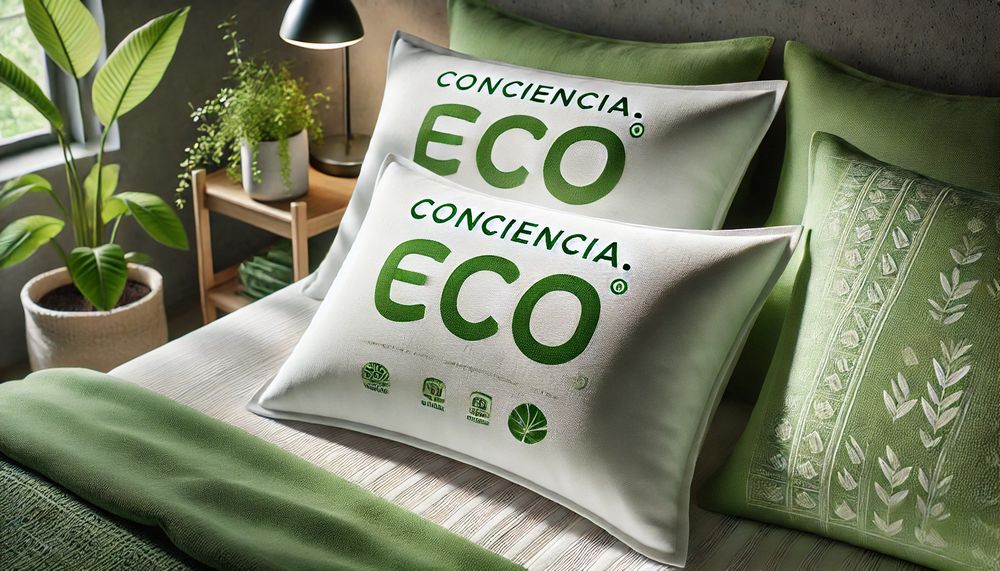
Choose pillows filled with natural fibers such as wool, recycled feathers, or buckwheat hulls. These materials are biodegradable and have a lower environmental impact compared to synthetics. Additionally, they often provide better ventilation and comfort, enhancing the quality of your sleep.
3. Turn Off Electronic Devices While You Sleep

Leaving electronic devices on standby mode consumes energy unnecessarily. Before going to bed, make sure to turn them off completely or unplug them. Using a power strip with a switch can make this task easier. This small action can significantly reduce your electricity consumption and your carbon footprint.
4. Adjust the Thermostat for Responsible Energy Consumption
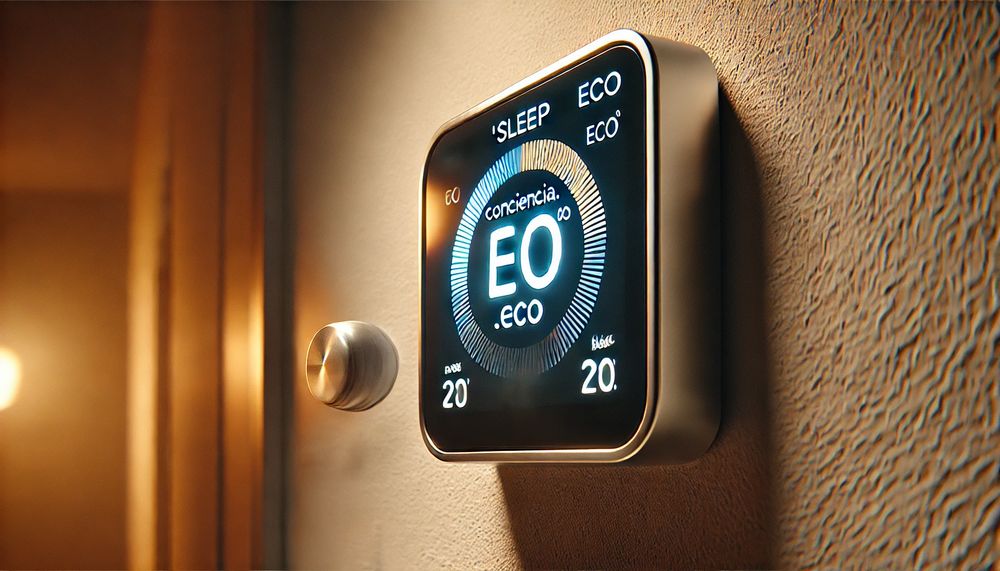
Setting the thermostat to a moderate temperature while you sleep not only saves energy but also improves your rest. In winter, keep the room slightly cool and use appropriate bedding. In summer, opt for fans or low-energy systems instead of air conditioning.
5. Choose Thermal Curtains to Insulate Against Heat or Cold

Thermal curtains are a simple way to improve your room’s insulation. They reduce the need for heating or air conditioning, which lowers your energy consumption. Additionally, they help maintain a more stable temperature in your home throughout the night.
6. Use an Energy-Efficient Air Purifier
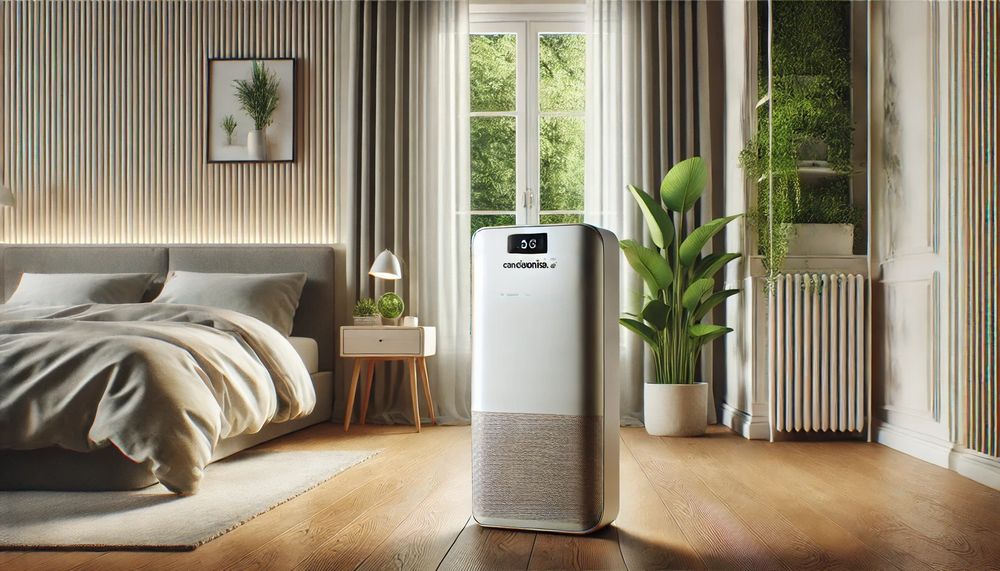
An efficient air purifier can improve the air quality in your bedroom while saving energy. Choose models certified for their low energy consumption and make sure to clean the filters regularly to maintain their effectiveness. This not only benefits the environment but also your health.
7. Reduce Water Consumption with Smart Faucets or Toilets

Installing smart faucets or toilets in the bathroom can help you save water even while you sleep. These systems regulate water flow to prevent waste. It’s a small change that, over time, can make a big impact on conserving this vital resource.
8. Choose a Sustainable and Biodegradable Mattress
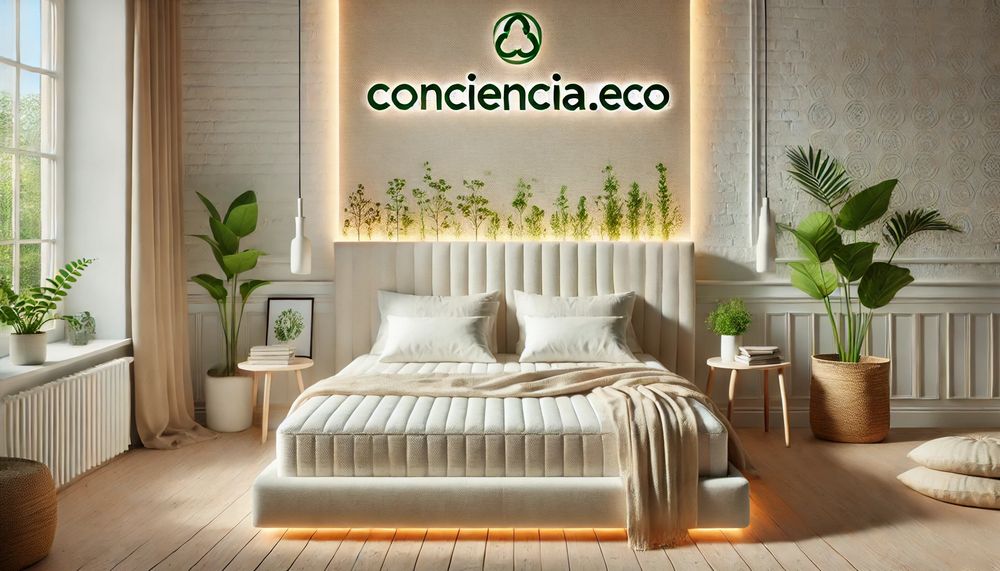
A mattress made from natural materials such as organic latex or coconut fibers is an eco-friendly alternative to traditional mattresses. These materials are not only more sustainable, but they also break down more effectively at the end of their lifespan. This way, you help reduce landfill waste.
9. Use a Solar Lamp that Charges During the Day
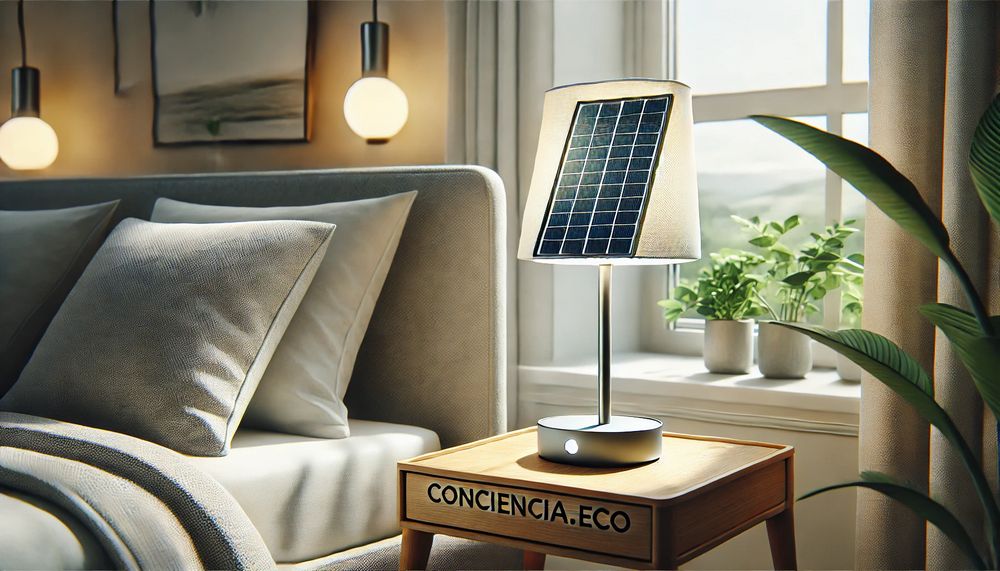
A solar lamp is an excellent way to light your room without relying on the electric grid. It charges during the day using renewable energy and provides light at night. It is a practical, sustainable, and economical solution that you can easily implement.
10. Prepare Your Room with Natural Scents Instead of Chemicals

Using essential oils or aromatic plants like lavender is a more eco-friendly option than chemical air fresheners. Natural scents are not only healthier, but they also create a relaxing environment for rest. Additionally, you avoid using aerosols and other polluting products.
The Textile Recycling Process and How to Contribute
Textile recycling is a process that helps reduce environmental impact by recovering materials from used or discarded garments. Contributing to this process is easier than it seems. You can donate clothes in good condition, participate in local recycling initiatives, or choose brands that implement textile collection programs. Here are some key actions:
- Donate clothes and textiles you no longer need to charitable organizations or collection programs.
- Separate recyclable textiles from those that are too worn to reuse.
- Research whether there are recycling centers in your area that accept clothing and fabrics.
- Choose brands that make products from recycled materials.
- Avoid discarding clothing in regular trash to reduce waste buildup in landfills.
Environmental Impact and Benefits of Adopting Sustainable Habits While You Sleep
| Habit | Current Negative Impact | Benefit of Changing |
|---|---|---|
| Use of synthetic bedding | Production that generates microplastics and CO2 emissions | You will reduce environmental impact and prevent water pollution |
| Leaving electronic devices on standby mode | Phantom energy consumption equivalent to up to 10% of your electricity bill | You will save electricity and reduce your carbon footprint |
| Use of traditional lamps | Higher energy consumption and use of non-recyclable bulbs | Adopting solar lamps reduces the use of non-renewable resources |
| Not using thermal curtains | Higher energy consumption on heating or air conditioning | You can save up to 20% on energy consumption |
| Lack of textile recycling | 18 million tons of clothing end up in landfills each year | Donating and recycling reduce waste and promote the circular economy |
Benefits of Using Natural Textiles and Fibers in Your Home
Natural textiles and fibers offer multiple benefits for both the environment and your well-being. These materials are biodegradable, meaning they do not contribute to plastic waste accumulation at the end of their lifecycle. Additionally, they provide unique advantages for your home and health.
- Greater breathability, which helps regulate temperature and prevents moisture buildup.
- More sustainable production, as they require less water and pesticides than synthetic fibers.
- Greater durability, which reduces the need for frequent replacement.
- Lower risk of allergies thanks to the absence of chemicals in its production.
- Positive impact on the environment by being biodegradable and recyclable.
Conclusion
Caring for the planet while you sleep is easier than you think. Small changes in your routine can make a big difference for the environment. Take the initiative to implement these ideas and share this article with friends and family so we can build a more sustainable world together. The time to act is now!