Sitting at the table is not only a moment to enjoy your favorite meals but also an opportunity to make changes that benefit the planet. With small actions in your daily routine, you can reduce your environmental impact. Here I share with you 10 practical and simple ideas to be more sustainable while you eat. Discover how to contribute to environmental care right from your table!
1. Use Cloth Napkins Instead of Disposable Ones
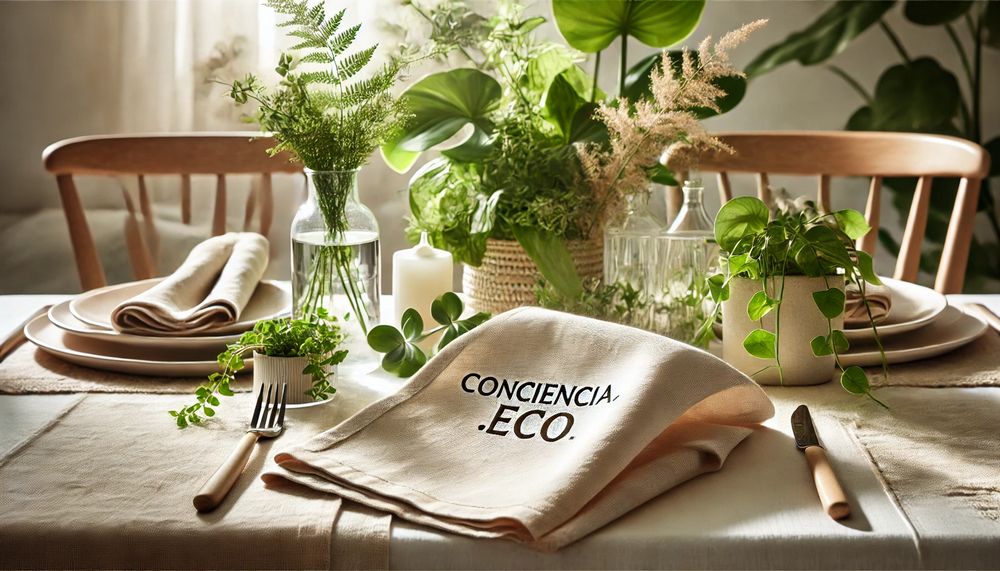
Paper napkins may seem convenient, but they generate a large amount of waste. Choosing cloth napkins is not only more eco-friendly but also adds a more elegant touch to your meals. Washing them along with the rest of your laundry reduces their environmental impact, making them a sustainable choice.
2. Choose Reusable Plates and Cutlery
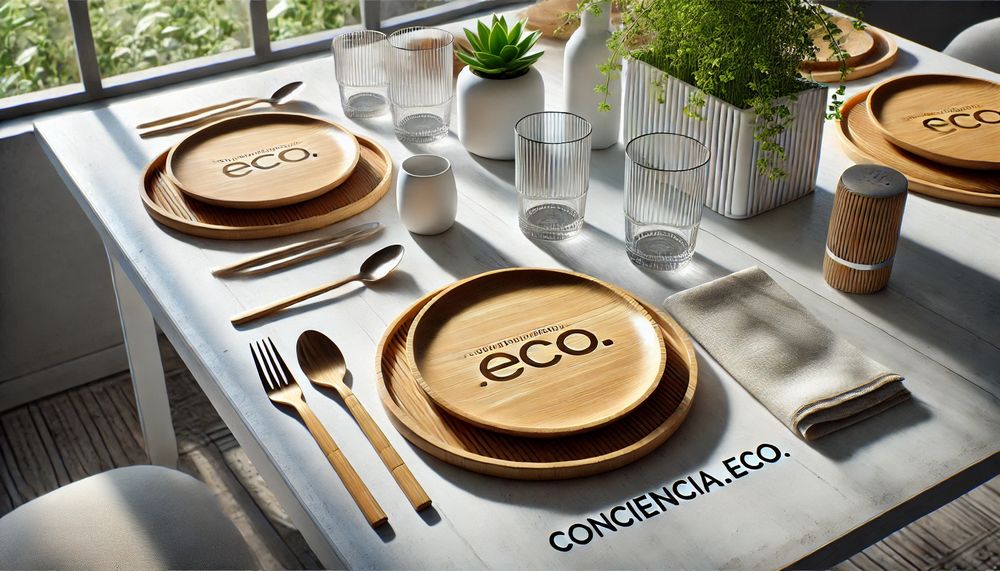
Avoid using disposable plates, cups, and cutlery, as their production and disposal cause significant pollution. Using utensils made of durable materials like glass, ceramic, or stainless steel is a simple way to reduce waste. Additionally, you save money by not having to buy them constantly.
3. Reduce Food Waste by Serving Appropriate Portions
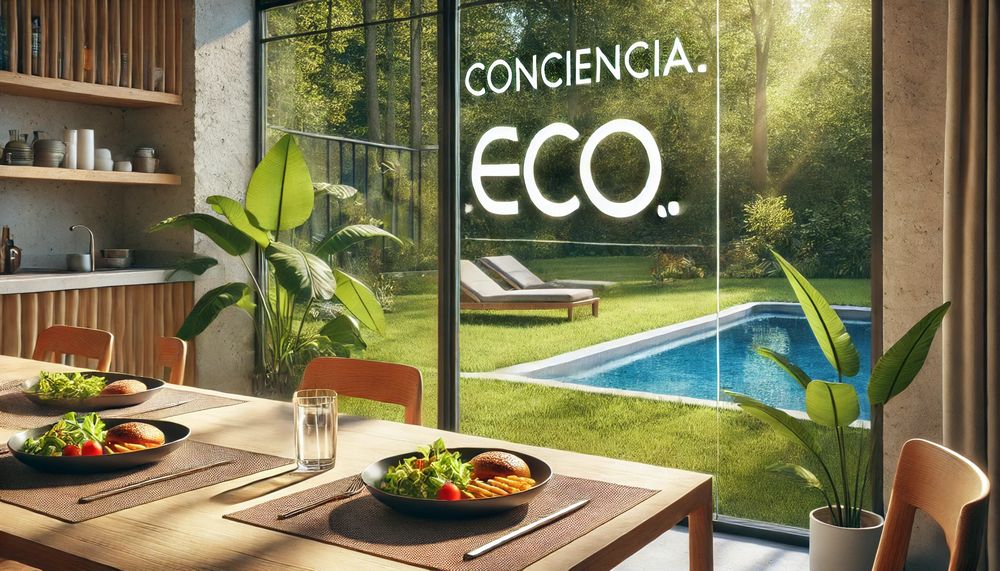
Serving appropriate portions prevents food from ending up in the trash. If you have leftovers, save them for another time. Planning your meals is also an excellent strategy to make the most of all ingredients and reduce waste.
4. Buy Local and Seasonal Products
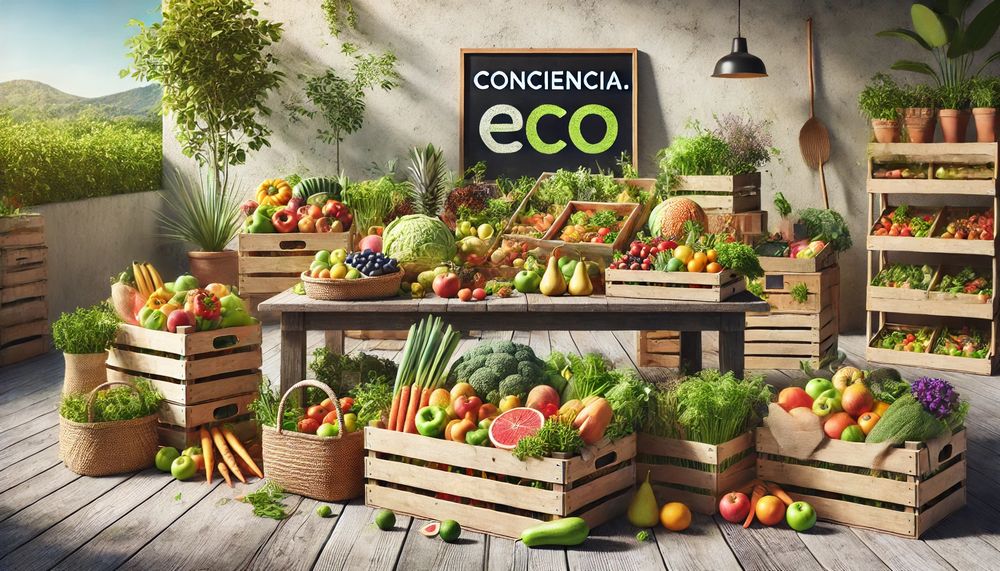
Local and seasonal products require less transportation and refrigeration, which means a smaller carbon footprint. Additionally, supporting local producers strengthens your community’s economy. Fresh, seasonal foods are also usually more nutritious.
5. Avoid Foods with Plastic Packaging
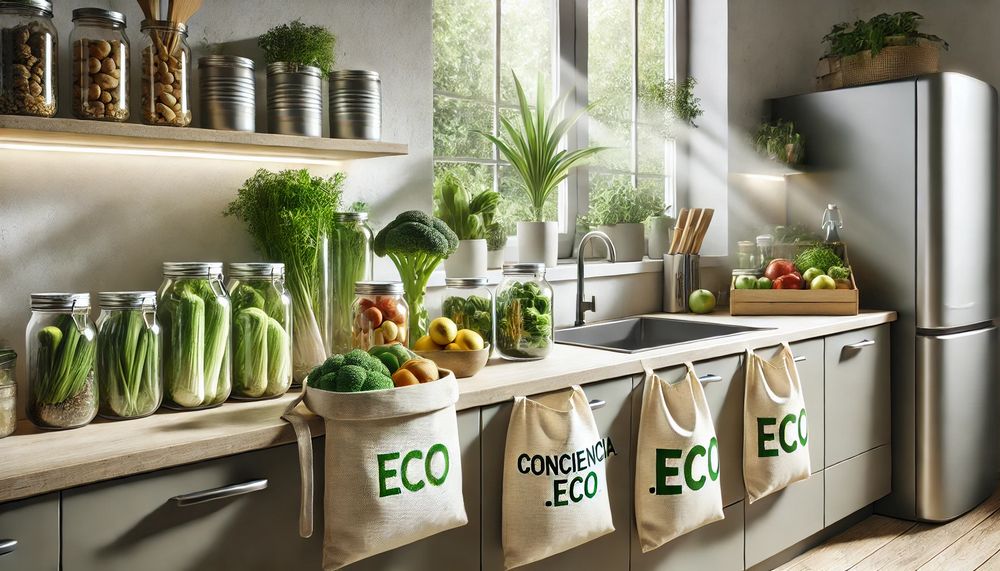
Plastic packaging is one of the biggest pollutants in the world. Choose foods that come in recyclable or packaging-free containers. Bringing your own containers or reusable bags when buying in bulk is another effective way to reduce plastic use.
6. Separate and Recycle Your Food Waste
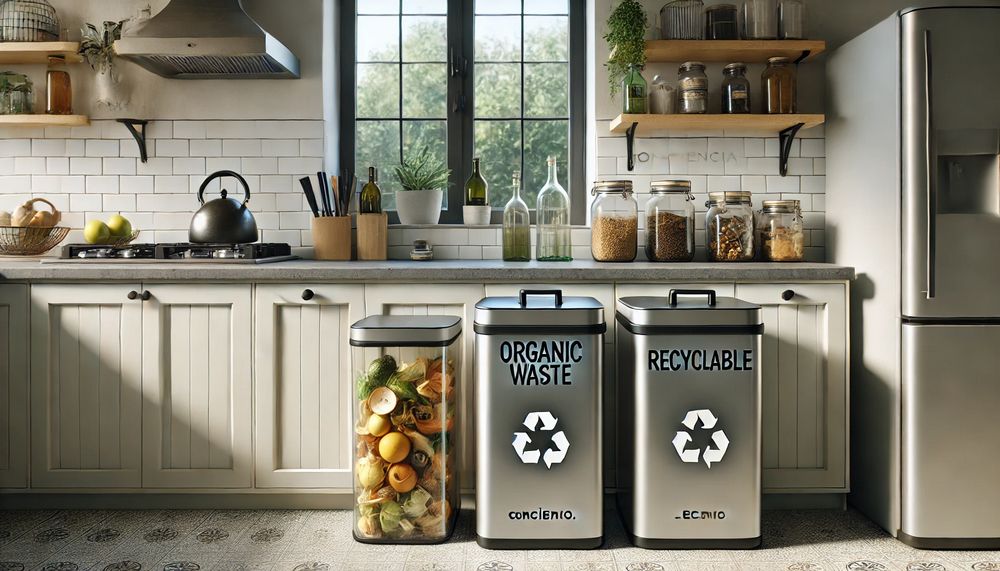
Classifying your food waste into organic and inorganic is a simple way to take care of the environment. Organic waste can be turned into compost, while recyclable materials like glass, plastic, and cardboard can have a second life. A small effort in separating the trash can make a big difference.
7. Choose Vegetarian or Vegan Options
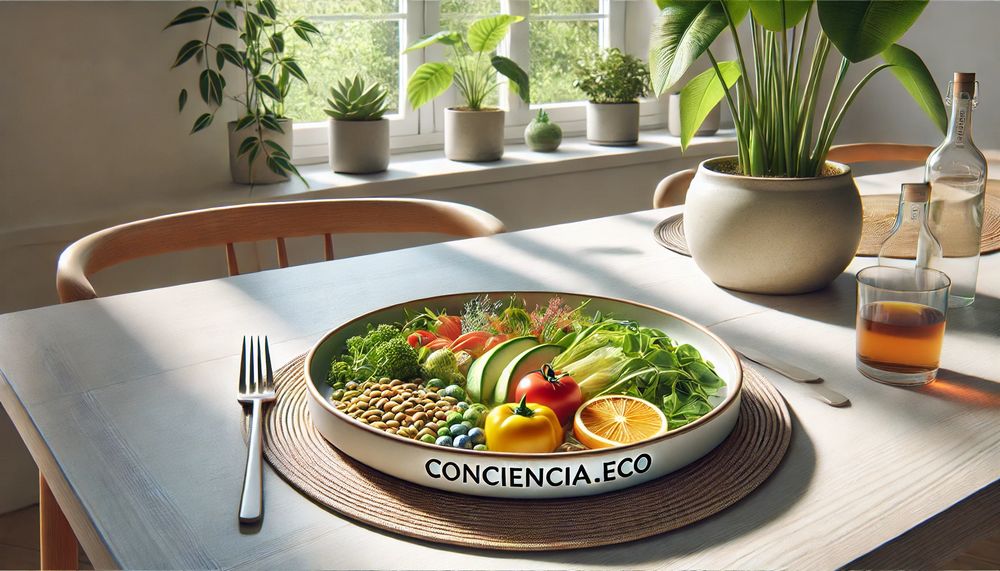
Reducing meat consumption is one of the most impactful actions you can take to lessen your environmental footprint. Vegetarian or vegan dishes require fewer natural resources such as water and soil for their production. Including more vegetables in your meals benefits both the planet and your health.
8. Use Reusable Bottles and Jugs for Your Drinks
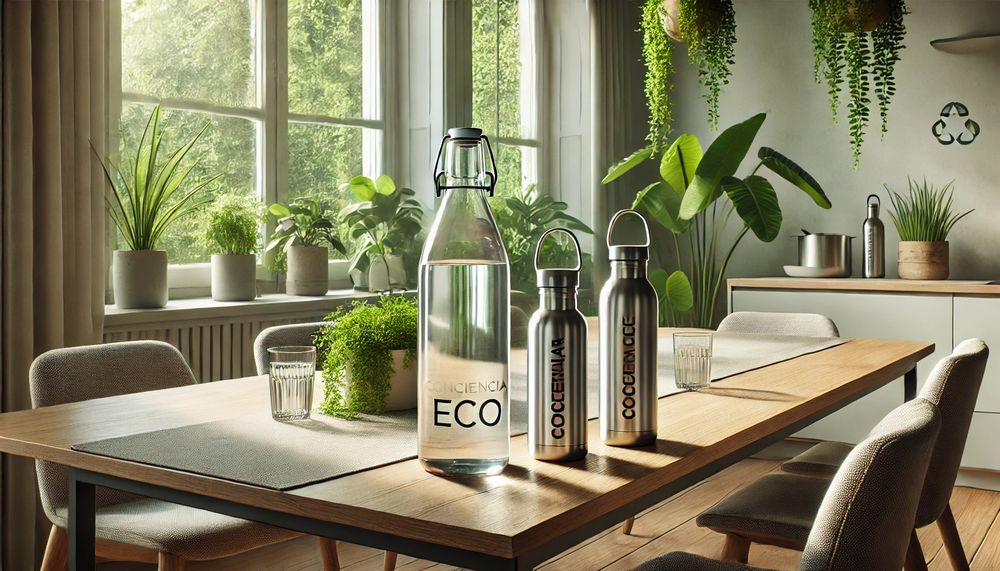
Avoiding disposable plastic bottles is an easy way to reduce waste. Instead, use glass or stainless steel bottles, and if you’re at home, pour water into a reusable pitcher. It is an economical and sustainable practice that reduces pollution.
9. Use Leftovers to Create New Dishes
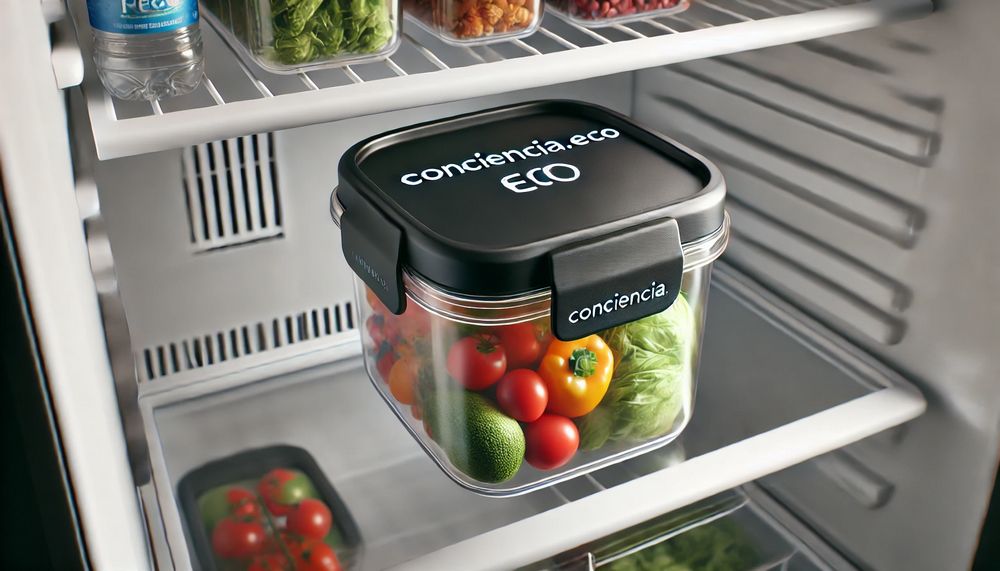
Leftovers from your meals can be transformed into delicious new dishes with a bit of creativity. From soups to salads, there are many ways to give your food a second life. This not only reduces waste but also optimizes your resources.
10. Grow Your Own Food or Herbs at Home
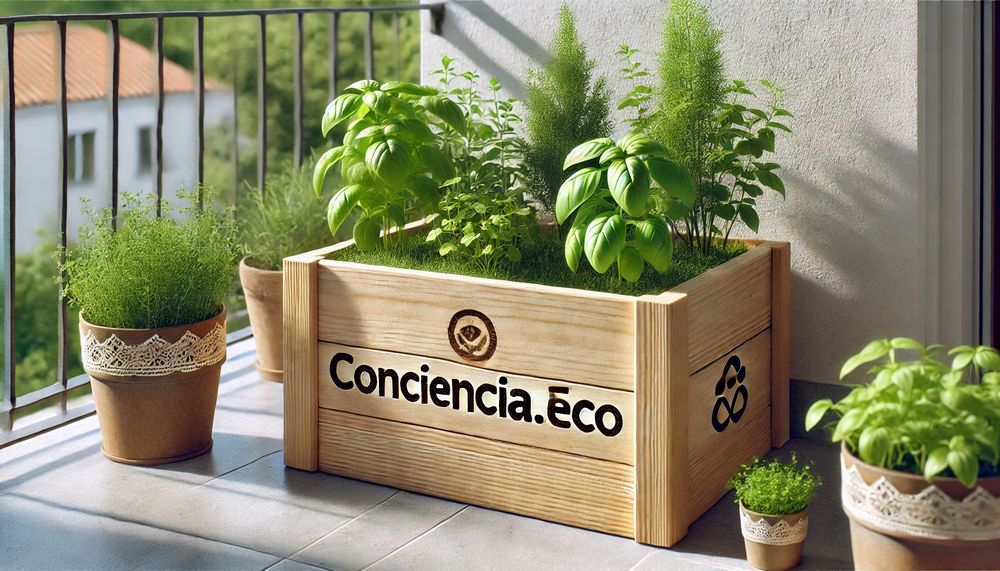
Having a small garden at home, even if it’s in pots, is an excellent way to eat more sustainably. Growing your own herbs or vegetables reduces reliance on food that requires transportation and packaging. Additionally, it is a relaxing and rewarding activity.
How to Properly Separate Organic and Inorganic Waste
Properly separating waste is key to making recycling easier and minimizing pollution. Organic waste can be turned into compost, while inorganic materials can be reused or recycled. Here is a practical guide to help you separate waste efficiently:
- Identify organic waste: This includes food scraps, fruit and vegetable peels, dry leaves, and coffee grounds.
- Make sure to clean inorganic materials: Before recycling plastics, glass, cans, and cardboard, remove any food residue or liquids.
- Use separate containers: Assign one container for organic waste and another for inorganic waste, and label each one for clarity.
- Take recyclables to collection points: Make sure to bring recyclable materials to recycling centers or designated containers in your community.
- Consider composting: If you have a garden or space at home, use organic waste to create compost that can serve as natural fertilizer.
Properly separating waste not only makes its management easier but also helps reduce the amount of trash that ends up in landfills. A simple change that creates a positive impact!
Impact of Our Actions on the Environment During Meals
| Action | Negative Impact | Benefit of the Sustainable Alternative |
|---|---|---|
| Using Disposable Plates | Each disposable plate can take between 20 and 30 years to break down. | You will reduce non-biodegradable waste by choosing reusable plates. |
| Not Separating Waste | 30% of recyclable waste ends up in landfills due to improper separation. | Properly separating waste improves recycling and reduces pollution. |
| Consuming Foods with Plastic Packaging | Plastic takes up to 500 years to decompose and contaminates ecosystems. | Buying in bulk and bringing your own containers reduces plastic use. |
| Throwing Away Food Scraps | Food waste accounts for 8% of global greenhouse gas emissions. | Using leftovers and planning meals reduces waste and emissions. |
Conclusion
Caring for the environment while you eat is easier than it seems. With small actions like separating waste, avoiding plastics, and choosing local foods, you can make a positive impact on the planet. Every decision counts and starts with small changes in your daily routine.
I invite you to put at least one of these ideas into practice today. Share these tips with your friends and family so that together we can build a more sustainable future. The change is in your hands!