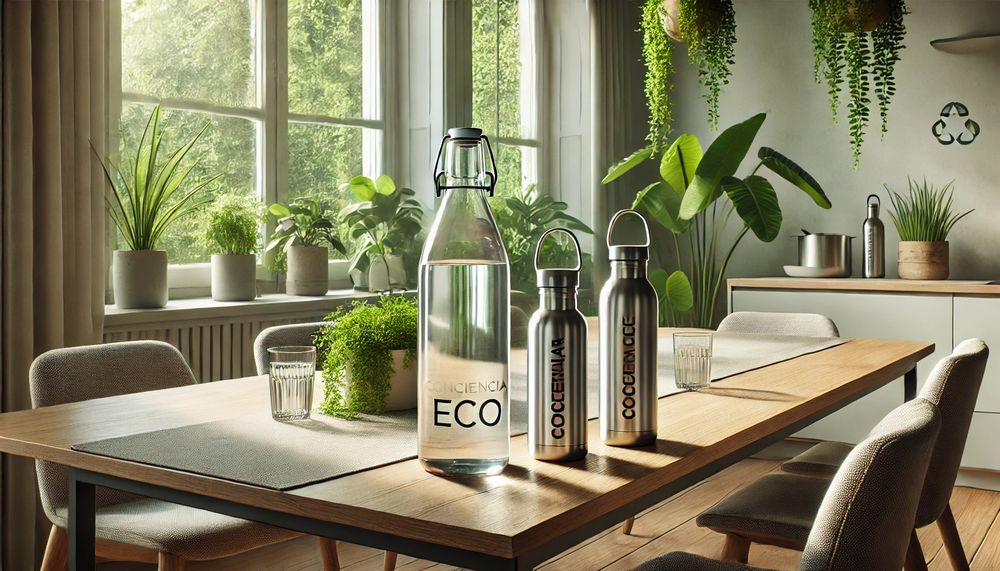
Preparing breakfast can not only be a moment to enjoy and recharge your energy but also an opportunity to care for the environment. With small changes in your morning routine, you can significantly reduce your ecological impact. Here I share 10 simple and practical ways to start your days more sustainably.
1. Use Locally Sourced Ingredients

Consuming local products is not only fresher and healthier but also reduces the carbon footprint associated with food transportation. Choosing seasonal ingredients grown in your region is a way to support local producers and contribute to a more sustainable food system.
2. Choose Reusable Kitchen Utensils

Avoid disposable utensils like plastic spoons or paper napkins. Instead, use reusable alternatives such as stainless steel cutlery, cloth napkins, or even bamboo straws. These small changes are easy to implement and make a big difference for the planet.
3. Save Energy by Using Efficient Appliances
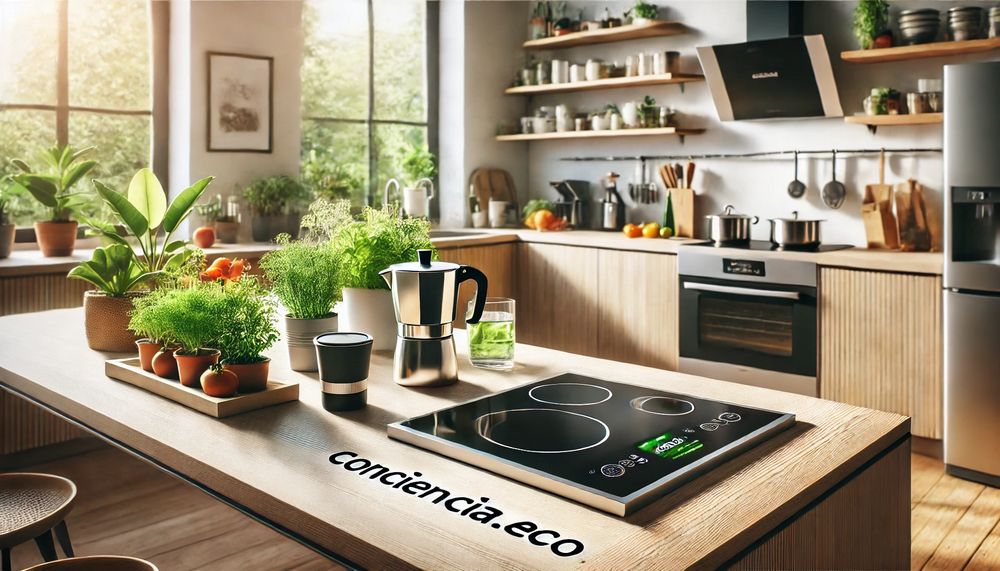
Choose appliances with a high energy rating to reduce your electricity consumption. For example, an efficient coffee maker or a rapid kettle can help you prepare your morning beverages while saving energy. Also, remember to unplug appliances when you are not using them.
4. Make Use of Leftovers from the Previous Day

Do not waste food. Use leftovers from the previous day to prepare a creative breakfast, such as a vegetable omelet or a smoothie with ripe fruit. Making the most of the food you already have at home not only reduces waste but also saves money.
5. Replace Disposable Items with Durable Alternatives

Say goodbye to paper towels, disposable plates, and single-use packaging. Switch to durable products like glass jars for food storage, reusable containers and beeswax wraps. These options are not only more sustainable but also more stylish and practical.
6. Use Compost for Organic Waste
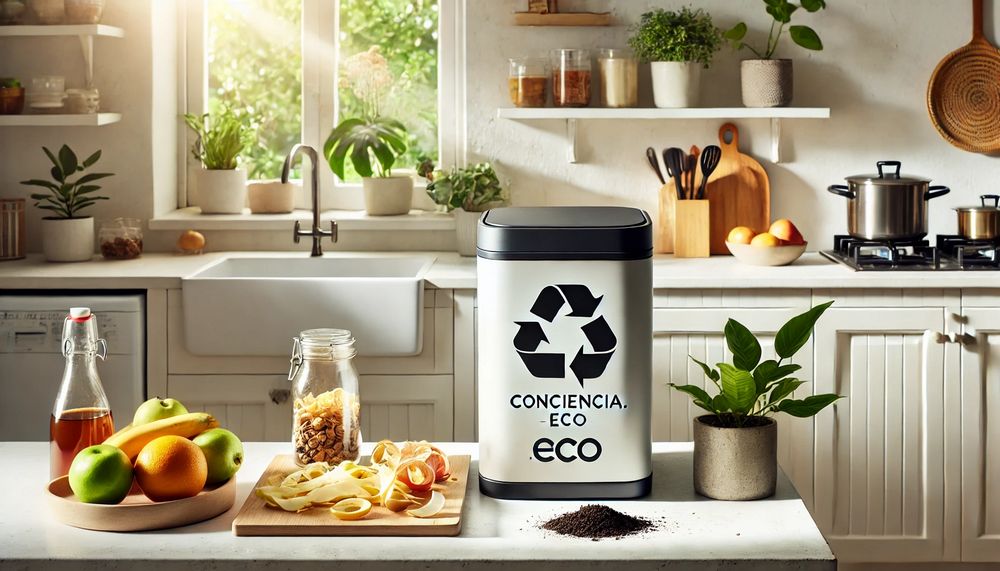
Make use of leftover peels, coffee grounds, and other organic waste to create compost. This natural fertilizer is perfect for your plants and prevents waste from ending up in a landfill. If you don’t have space to compost at home, look for community composting programs in your area.
7. Prefer Bulk or Plastic-Free Packaging
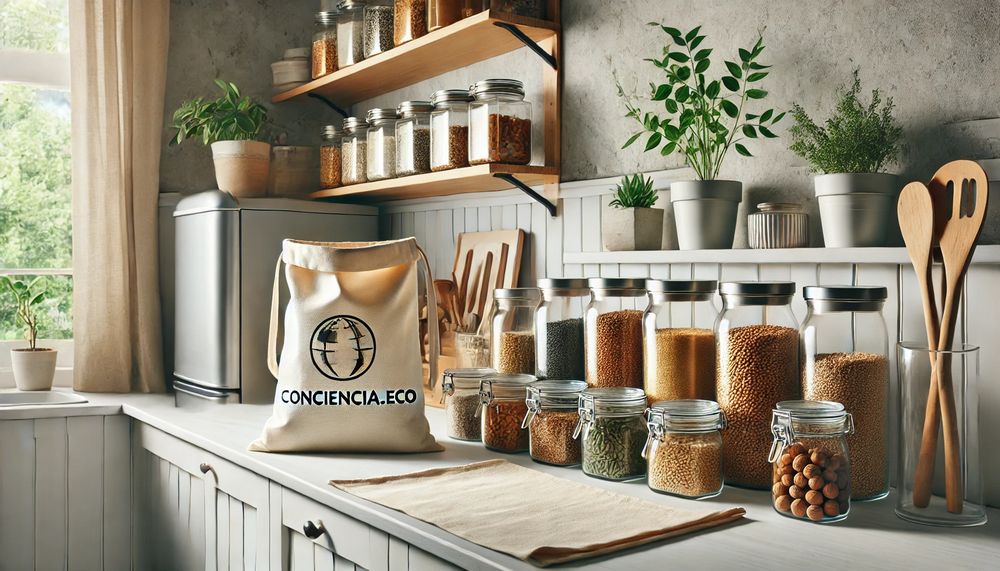
Opt for buying bulk foods, such as oats, nuts, or coffee, and use your own reusable containers to store them. By avoiding plastic-packaged products, you are reducing the amount of waste generated right from the moment of purchase. A small change with a big impact!
8. Reuse Vegetable Washing Water
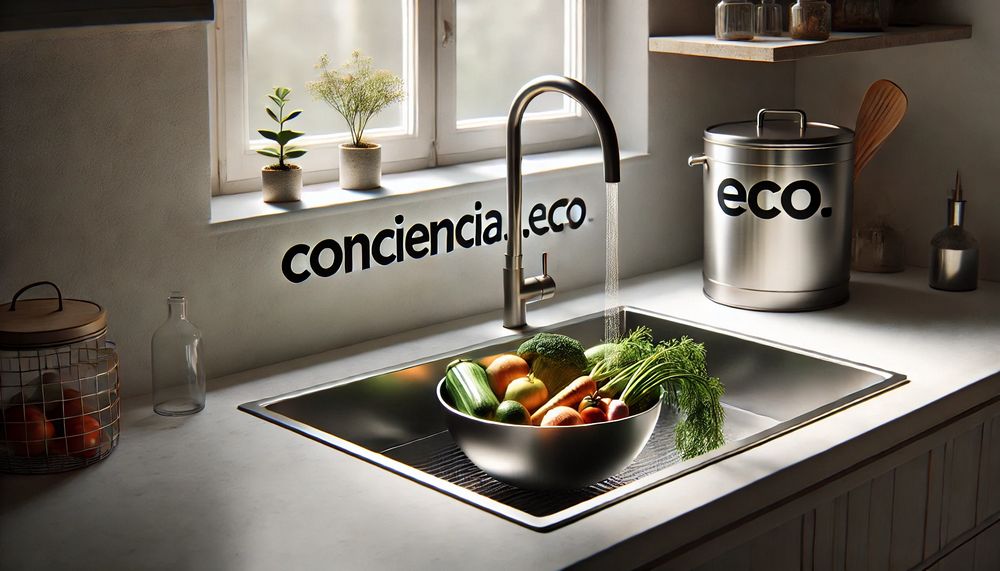
The water you use to wash fruits and vegetables doesn’t have to go to waste. You can collect it and reuse it to water your plants or clean surfaces. This simple practice will help you save water, a resource we must protect with special care.
9. Make Your Own Drinks and Avoid Packaging
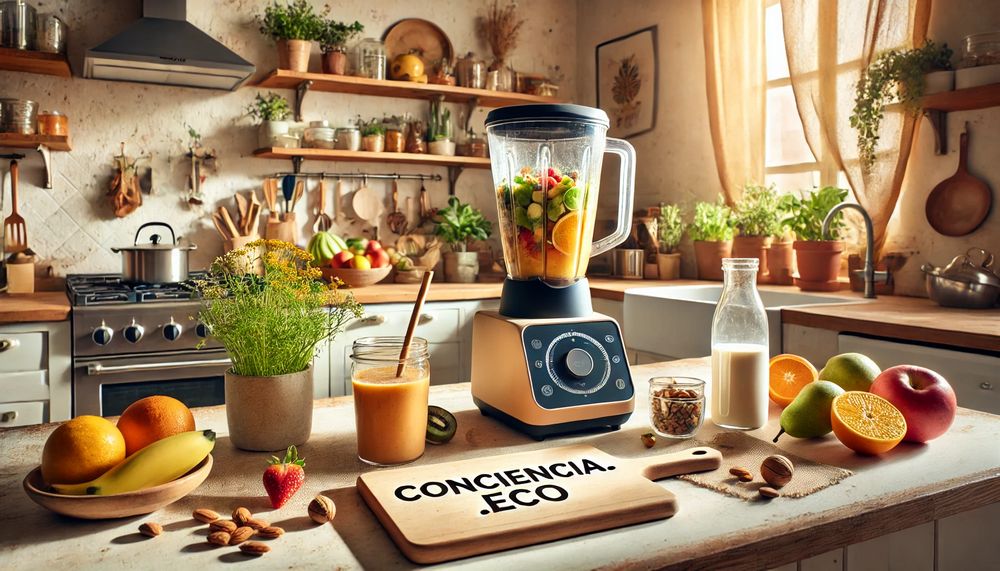
Prepare your juices, smoothies, or plant-based milks at home to reduce the purchase of packaged products. Besides being more healthy and economical, you will also avoid generating plastic waste. For example, you can make a delicious shake with frozen fruits and make the most of what you have in your pantry.
10. Plan Your Breakfast to Reduce Waste
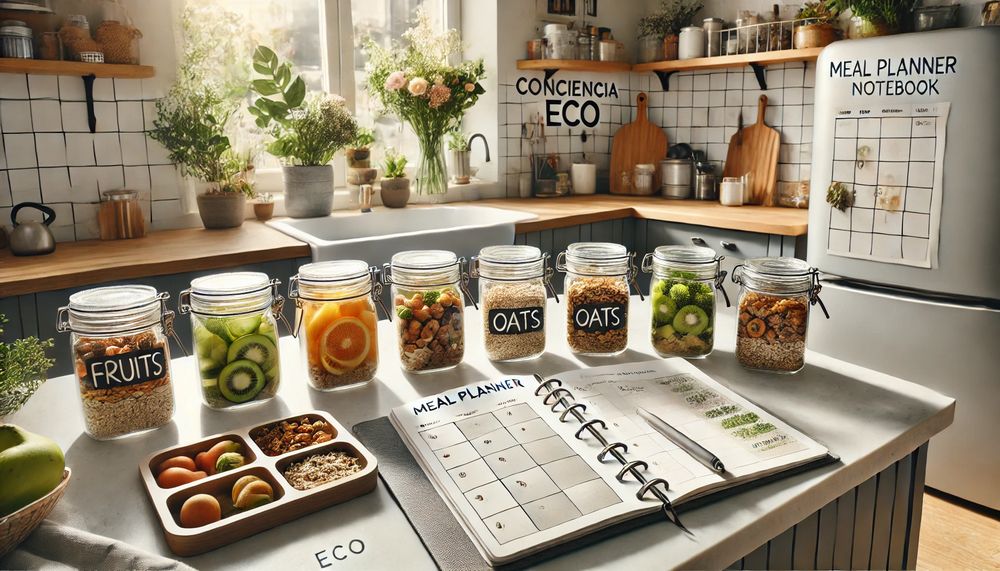
Planning what you will have for breakfast helps you buy only what you need and prevents food from spoiling. Making a shopping list and adjusting portions according to your needs is an effective way to prevent food waste and save money.
Tips to Reduce Organic Waste
Reducing organic waste in the kitchen is an essential practice for caring for the environment. With a few simple adjustments to your routine, you can make the most of your food and minimize waste. Here are some practical tips:
- Save fruit and vegetable peels to make broth or compost.
- Make sure to store food properly to extend its shelf life.
- Freeze leftovers or products close to expiration to use them later.
- Reuse leftovers in new creative recipes.
Environmental Impact of Kitchen Decisions
| Action | Environmental Impact | Benefit |
|---|---|---|
| Buy local products | Reduces CO₂ emissions associated with food transportation. | You support local producers and get fresh, seasonal food. |
| Use reusable wraps | Reduces the amount of single-use plastics ending up in landfills or the ocean. | You contribute to reducing global plastic pollution. |
| Composting organic waste | Prevents organic waste from producing methane in landfills. | You gain natural fertilizer for your plants and reduce your waste. |
| Use energy-efficient appliances | Reduces electricity consumption by 20-50%. | You save money on your electric bill while protecting the environment. |
| Plan your meals | Avoid food waste that ends up in the trash. | You make better use of your resources and reduce the environmental impact of food production. |
Sustainable Alternatives for Your Kitchen
Adopting sustainable alternatives in the kitchen is not only beneficial for the planet but also for your health and finances. Here are some ideas:
- Use reusable beeswax wraps instead of plastic wrap.
- Invest in wooden or stainless steel utensils that last for many years.
- Switch chemical detergents for biodegradable and eco-friendly options.
- Replace paper napkins with washable cloth napkins.
- Buy glass jars and containers to store bulk foods.
10 Actions to Care for the Environment
To complement your reading, we recommend this video that presents practical actions to reduce your environmental impact in daily life. Although it does not focus exclusively on breakfast, it offers valuable tips you can apply in your morning routine to be more eco-friendly.
To care for the environment from home, every small change counts. With these ideas and practices, you will not only contribute to a healthier planet but also inspire those around you to do the same. Start today implementing these clever ways to be eco-friendly in your breakfast and turn every morning into an opportunity to care for the planet! 🌱